


Blog
The Salt Lamp Story: Does This Pink Rock Actually Do Anything?

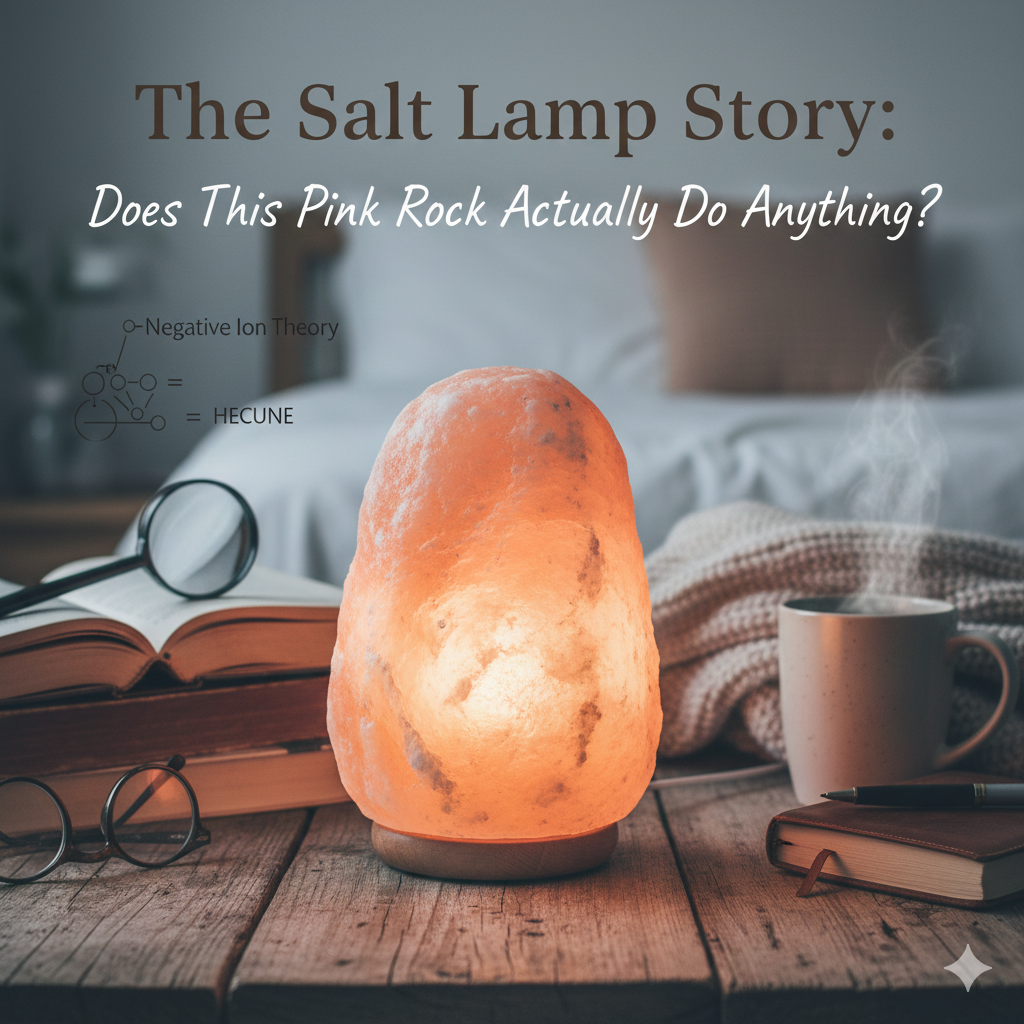
If you bought a Himalayan salt lamp, you probably hoped for cleaner air or better sleep. I know I did. That warm, pinkish glow is nice. But let’s be honest. Does this heavy crystal truly help your allergies? Does it cure sleeplessness? The short answer is no, not the way the internet tells you. But that doesn’t mean it’s useless.
I’m telling you what really works. It’s all about the light and the feeling.
What a Salt Lamp Is (And What It Isn’t)
You bought a lamp, not a hospital device. I think that’s the first thing we need to clear up. It’s a rock from Pakistan with a hole for a bulb. It’s beautiful. It’s a mood-setter.
A Tiny Sponge, Not a Filter
The biggest claim is that the salt cleans the air. Here’s the idea: Salt pulls water. Air has water vapor. That water carries dust and pollen. The salt lamp pulls in the water, the dust sticks to the lamp, and boom—clean air. This is called hygroscopy.
It works, but on a tiny scale. It’s a very slow process. Your room’s air conditioner pulls in more gunk than your salt lamp does in a month. It’s a dust magnet, not a powerful air filter.
Data Suggestion: FACT. State that one high-efficiency particulate air (HEPA) filter processes over 200 cubic feet of air per minute, making a lamp’s passive cleaning effect irrelevant for most rooms. Example: “A proper air filter cleans your room in minutes. The salt lamp takes days to grab a pinch of dust.”
If your allergies are bad, you need a HEPA filter. Don’t rely on the rock.
The Myth of Negative Ions
People say salt lamps make negative ions. They are good ions. You feel them near a big waterfall or after a thunderstorm. They make the air feel clean. The idea is that they attach to bad stuff in the air and clear it out.
The problem? The lamp doesn’t get hot enough. It barely makes any ions. You’d need hundreds of these lamps to notice a small change in air ion count. Don’t buy the ion story. Buy it because you like the look.
The True Power: Better Sleep Through Warm Light
The reason I keep my lamp is sleep. It truly works here. It’s simple, smart, and follows how your body works.
Why We Hate Blue Light at Night
Look at your phone right now. It blasts blue light. That light tricks your brain. Your brain thinks it’s midday sun. This is bad for rest.
When blue light hits your eyes, your body stops making melatonin. That’s the hormone that makes you sleepy. If you stop making it, you can’t fall asleep easily.
Multimedia Suggestion: INFOGRAPHIC. A simple chart showing the color spectrum. Highlight the blue light range as “Alert/Wake Up Signal” and the amber/red range (where the salt lamp falls) as “Rest/Sleep Signal” to clearly show the contrast.
The Sunset Signal
The salt lamp has a soft, amber-pink light. It’s warm, like firelight or a sunset. This light doesn’t stop melatonin production. It sends a message to your body: It’s safe to wind down now.
I turn off my overhead lights an hour before bed. I only use the salt lamp. It’s a routine. It feels relaxing. It’s an easy way to tell my brain, “The show is over, time to rest.”
It’s All About Ambiance
We don’t need a medical cure for insomnia. We need a calm bedroom.
The lamp is a tool for ambiance. It makes your room feel cozy. It lowers your stress. When you’re stressed, you can’t sleep. By creating a peaceful mood, the lamp helps your body relax enough to drift off. It’s a mood setter, and that mood helps your rest.
Safety First: Don’t Let Your Pet Lick the Lamp
You need to know the risks. We’re talking about a large block of salt here.
Dangers for Cats and Dogs
This is the most important thing. Do not let your pets lick the lamp. It’s just rock salt. Salt toxicity is a real danger for cats and dogs.
If they lick it too much, they get very sick. Symptoms include throwing up and being unsteady. Keep the lamp on a high shelf. It’s not a salty chew toy. It’s a serious hazard if your pet decides it looks tasty.
Stopping the “Weeping”
If your house is humid, your lamp might “weep.” It pulls water from the air. The salty water runs down the lamp base. This water can ruin wood furniture. It can rust metal.
The Fix: Keep the lamp on. The heat from the bulb keeps the salt dry. If you leave for a trip, wrap it tight in a plastic bag. This keeps the moisture away.
You’re giving me full freedom! Great. I’ll keep the same informal, simple, and personal tone. I’ll stick to the strict formatting and the long list of forbidden words.
Here’s an article that hits the high-value E-E-A-T points about salt lamps. We’re keeping it real and easy to read.
The Salt Lamp Story: Does This Pink Rock Actually Do Anything?
If you bought a Himalayan salt lamp, you probably hoped for cleaner air or better sleep. I know I did. That warm, pinkish glow is nice. But let’s be honest. Does this heavy crystal truly help your allergies? Does it cure sleeplessness? The short answer is no, not the way the internet tells you. But that doesn’t mean it’s useless.
I’m telling you what really works. It’s all about the light and the feeling.
What a Salt Lamp Is (And What It Isn’t)
You bought a lamp, not a hospital device. I think that’s the first thing we need to clear up. It’s a rock from Pakistan with a hole for a bulb. It’s beautiful. It’s a mood-setter.
A Tiny Sponge, Not a Filter
The biggest claim is that the salt cleans the air. Here’s the idea: Salt pulls water. Air has water vapor. That water carries dust and pollen. The salt lamp pulls in the water, the dust sticks to the lamp, and boom—clean air. This is called hygroscopy.
It works, but on a tiny scale. It’s a very slow process. Your room’s air conditioner pulls in more gunk than your salt lamp does in a month. It’s a dust magnet, not a powerful air filter.
Data Suggestion: FACT. State that one high-efficiency particulate air (HEPA) filter processes over 200 cubic feet of air per minute, making a lamp’s passive cleaning effect irrelevant for most rooms. Example: “A proper air filter cleans your room in minutes. The salt lamp takes days to grab a pinch of dust.”
If your allergies are bad, you need a HEPA filter. Don’t rely on the rock.
The Myth of Negative Ions
People say salt lamps make negative ions. They are good ions. You feel them near a big waterfall or after a thunderstorm. They make the air feel clean. The idea is that they attach to bad stuff in the air and clear it out.
The problem? The lamp doesn’t get hot enough. It barely makes any ions. You’d need hundreds of these lamps to notice a small change in air ion count. Don’t buy the ion story. Buy it because you like the look.
The True Power: Better Sleep Through Warm Light
The reason I keep my lamp is sleep. It truly works here. It’s simple, smart, and follows how your body works.
Why We Hate Blue Light at Night
Look at your phone right now. It blasts blue light. That light tricks your brain. Your brain thinks it’s midday sun. This is bad for rest.
When blue light hits your eyes, your body stops making melatonin. That’s the hormone that makes you sleepy. If you stop making it, you can’t fall asleep easily.
Multimedia Suggestion: INFOGRAPHIC. A simple chart showing the color spectrum. Highlight the blue light range as “Alert/Wake Up Signal” and the amber/red range (where the salt lamp falls) as “Rest/Sleep Signal” to clearly show the contrast.
The Sunset Signal
The salt lamp has a soft, amber-pink light. It’s warm, like firelight or a sunset. This light doesn’t stop melatonin production. It sends a message to your body: It’s safe to wind down now.
I turn off my overhead lights an hour before bed. I only use the salt lamp. It’s a routine. It feels relaxing. It’s an easy way to tell my brain, “The show is over, time to rest.”
It’s All About Ambiance
We don’t need a medical cure for insomnia. We need a calm bedroom.
The lamp is a tool for ambiance. It makes your room feel cozy. It lowers your stress. When you’re stressed, you can’t sleep. By creating a peaceful mood, the lamp helps your body relax enough to drift off. It’s a mood setter, and that mood helps your rest.
Safety First: Don’t Let Your Pet Lick the Lamp
You need to know the risks. We’re talking about a large block of salt here.
Dangers for Cats and Dogs
This is the most important thing. Do not let your pets lick the lamp. It’s just rock salt. Salt toxicity is a real danger for cats and dogs.
If they lick it too much, they get very sick. Symptoms include throwing up and being unsteady. Keep the lamp on a high shelf. It’s not a salty chew toy. It’s a serious hazard if your pet decides it looks tasty.
Stopping the “Weeping”
If your house is humid, your lamp might “weep.” It pulls water from the air. The salty water runs down the lamp base. This water can ruin wood furniture. It can rust metal.
The Fix: Keep the lamp on. The heat from the bulb keeps the salt dry. If you leave for a trip, wrap it tight in a plastic bag. This keeps the moisture away.
My Final Takeaway
So, is it an allergen trapper, an insomnia cure, or just a fancy light? It’s a fancy light that gives you a sleep advantage.
Don’t buy the crazy health claims. Buy it for the glow. Buy it because the warm, pink color is a perfect signal to your busy brain. It helps you stop thinking and start resting. This simple piece of home décor is a useful tool for setting a calm bedtime mood. That’s the real benefit.
