


Blog
Are Salt Lamps Safe? Complete Safety Guide & Warnings

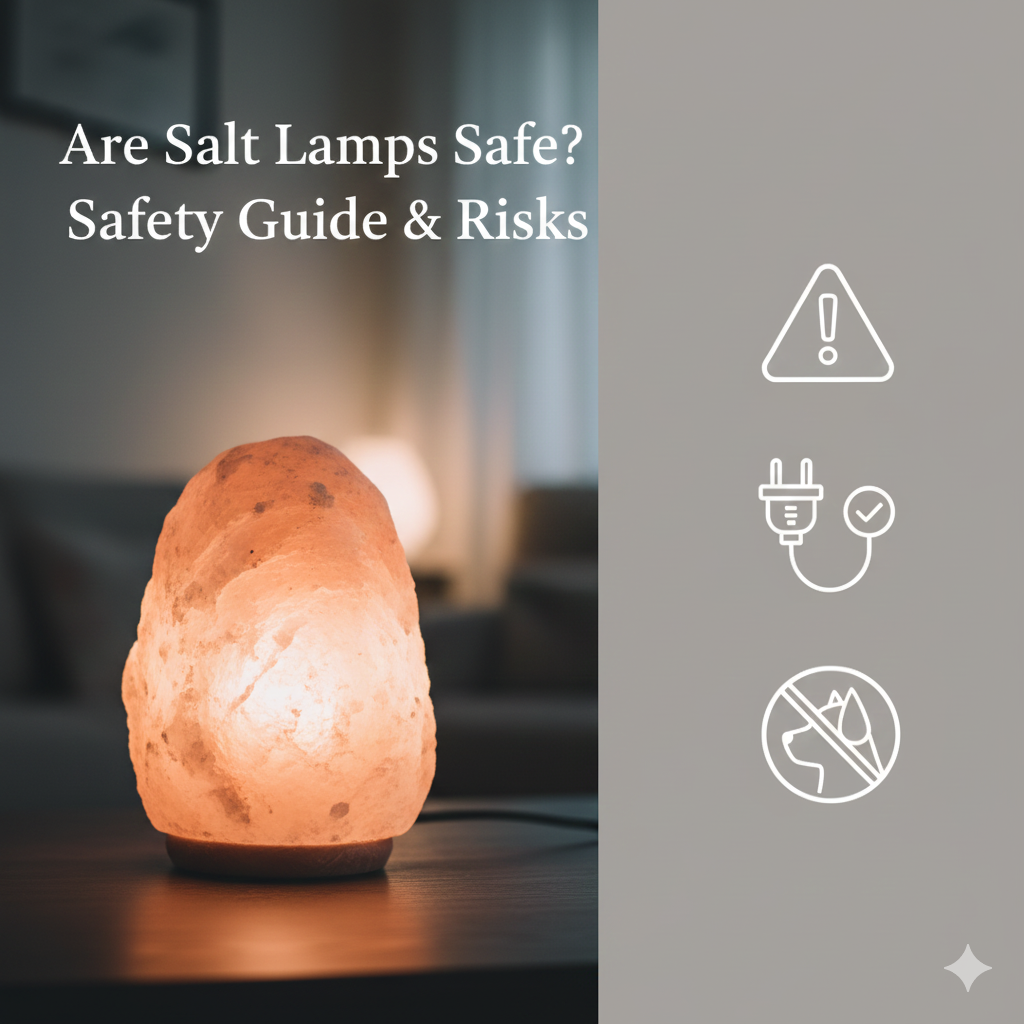
Salt lamps safe warm glow to any room, but many people still worry about electrical safety, overheating, sweating, and risks for pets and children. This guide gives you a clear overview of what’s safe, what’s not, and how to check your lamp for potential issues. You’ll learn about past recalls, wiring problems, pet-related risks, placement tips, and simple maintenance steps that help you use a Himalayan salt lamp with confidence and care.
Main Risks at a Glance
Salt lamps safe are generally safe when used correctly, but a few risks deserve attention. Past recalls were linked to faulty wiring, loose switches, and overheating, making electrical safety an important point to check before use. Another concern is pet toxicity, especially for cats, because excessive licking of the salt surface can lead to dangerous sodium levels. Sweating from humidity can also damage furniture or wiring if ignored. These issues don’t affect every lamp, but knowing them early helps you use your Himalayan salt lamp safely and avoid preventable problems.
Electrical Hazards & Recalls
Some salt lamps have been recalled in the past due to faulty wiring, loose dimmer switches, and plugs that overheated during use. These issues were mainly linked to low-quality lamps with poor electrical components. A lamp that gets unusually hot, flickers, or emits a burning smell should be unplugged immediately. Always look for UL-listed or CE-certified cords, as they reduce the risk of short circuits and overheating. Using the right bulb wattage and keeping the cord dry also prevents damage. With proper electrical checks, your Himalayan salt lamp remains safe for everyday use.
CPSC Recalls Explained (Examples, Years, Models)
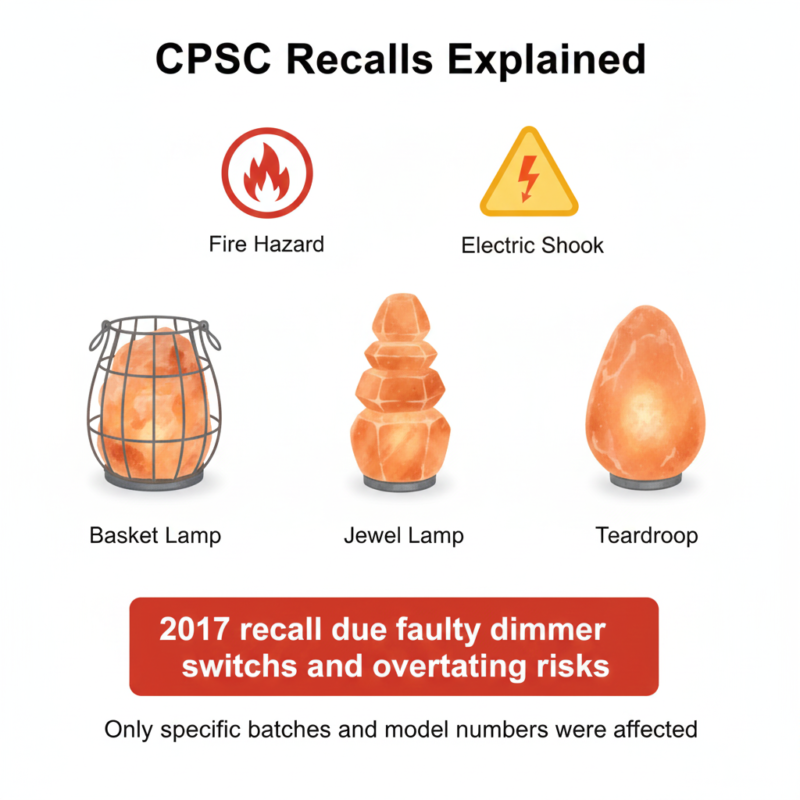
The U.S. Consumer Product Safety Commission (CPSC) has issued recalls for certain Himalayan salt lamps in the past, mainly due to defective dimmer switches and overheating risks. One widely noted recall occurred in 2017, involving a batch of Rock Salt Lamps sold under names like Basket Lamp, Jewel Lamp, and Teardrop Lamp. These models were pulled from shelves because their faulty wiring could cause fire or shock hazards. The recall targeted specific model numbers and batches—not all salt lamps. These examples highlight why choosing certified electrical components and trusted brands is essential for safe use.
How to Inspect Wiring and Dimmer Switches (UL/CE Tips)
Before using a salt lamp, check the cord, plug, and dimmer for any loose fittings, heat marks, or unusual smell. A safe lamp should come with UL-listed or CE-certified electrical parts, which means the wiring meets basic safety standards. Run your fingers along the cord to ensure there are no cuts, bends, or exposed wires. Test the dimmer by rotating it slowly; it should adjust smoothly without flickering or heating up. If the bulb or switch warms too quickly, replace the component or stop using the lamp immediately.
Pet & Child Safety
Salt lamps can be risky around pets and young children. Cats and dogs may try to lick the salty surface, which can lead to sodium poisoning if they ingest too much. For children, the main concerns are the lamp’s weight, heat from the bulb, and exposed electrical parts. Keep lamps on higher shelves, away from edges and play areas. Choose stable wooden bases, use low-heat bulbs, and unplug the lamp when unattended. With proper placement and supervision, salt lamps can be used more safely in homes with pets and kids.
Salt Toxicity Symptoms & Prevention (Cats/Dogs)
Pets can get sick quickly if they lick a salt lamp too often. Early signs of salt toxicity include vomiting, drooling, loss of balance, extreme thirst, and unusual tiredness. In more serious cases, pets may show tremors or seizures, which require urgent veterinary care. To prevent these risks, place your Himalayan salt lamp on a high, stable surface where pets can’t reach it. Avoid leaving the lamp on the floor, side tables, or anywhere a curious cat might climb. If you notice your pet showing symptoms after licking the lamp, turn it off and contact a vet immediately.
Secure Placement & Mounting Tips
A salt lamp should always sit on a stable, dry surface to avoid tipping, overheating, or pet access. Choose a spot away from edges, fabric, and areas where children can reach. If you’re placing it on a shelf, make sure the base is level and the cord isn’t pulling or hanging loosely. Larger lamps may need rubber pads or a wooden stand for extra grip. Avoid placing the lamp near vents or open windows where moisture or sudden drafts can make it unstable. A secure setup lowers the risk of falls, electric issues, and accidental contact.
Moisture, Sweating & Corrosion
Salt lamps naturally absorb moisture, and this can cause “sweating,” especially in humid rooms. Light dampness is normal, but pooling water can damage surfaces, wiring, and the wooden base. Keeping the lamp switched on for a few hours daily helps reduce moisture buildup. Use a coaster or tray to protect shelves and tables, and wipe the lamp gently with a dry cloth if it becomes wet. Avoid placing it near kitchens, bathrooms, or open windows where humidity is high. Proper care helps prevent corrosion, keeps the lamp stable, and protects your home from electrical issues.
Why Salt Sweats and How to Prevent Furniture Damage
Salt lamps naturally attract moisture from the air, a process called “sweating.” This happens because salt is hygroscopic, meaning it absorbs water vapor, especially in humid environments. While a little sweat is harmless, excess moisture can drip onto tables, shelves, or electronics, causing damage. To prevent this, place a tray or coaster beneath the lamp, keep it switched on to maintain a warm surface, and avoid high-humidity areas like bathrooms or kitchens. Regularly wiping the lamp with a dry cloth helps maintain both its glow and the safety of your furniture.
Authenticity & Quality Checks When Buying
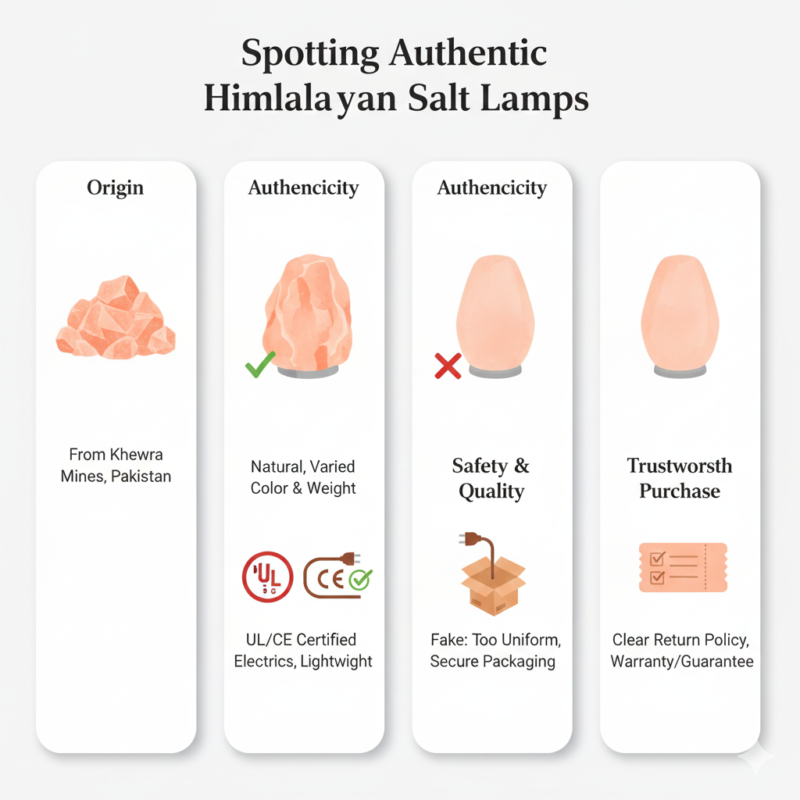
When purchasing a Himalayan salt lamp, ensure it’s genuine by checking its weight, natural pink-orange hue, and irregular crystal shape. Authentic lamps are sourced from the Khewra mines in Pakistan. Avoid lamps with overly bright, uniform colors or very light weight, as these may be dyed or hollow. Verify the electrical components meet safety certifications like UL or CE. Buying from reputable brands and checking reviews can prevent fake products. Genuine lamps not only last longer but also minimize electrical hazards, sweating issues, and potential pet or child safety risks.
Spotting Fakes, Origin, and Return Policy Checklist
To avoid counterfeit Himalayan salt lamps, check for key signs: genuine lamps are mined from Pakistan’s Khewra mines and have a natural pink to orange hue with uneven, chunky surfaces. Lightweight or overly uniform lamps are likely artificial. Confirm the lamp includes safety-certified electrical components (UL/CE) and inspect the packaging for authentic branding. A clear return policy is essential in case of defects or excessive sweating. Buying from reputable suppliers with verified reviews ensures authenticity, reduces risk of faulty wiring, and protects pets and children from potential hazards associated with fake or poorly made lamps.
Maintenance & Safe Use (How-To)
Bulb Wattage, Run-Time, Cleaning Steps, Safe-Tray Use
To ensure safe and effective use of your Himalayan salt lamp, always use the recommended bulb wattage, usually 15–25 watts for mini to medium lamps and up to 40 watts for large lamps. Limit continuous run-time to prevent overheating, typically 8–12 hours daily. Clean the lamp with a soft, dry cloth—avoid water to prevent salt erosion. Place the lamp on a protective tray to catch moisture from sweating, which safeguards furniture surfaces and reduces slipping hazards. Following these steps keeps your lamp glowing safely while maintaining its natural pink hue and overall integrity.
What to Do if Your Lamp Is Faulty (Recall/Repair/Replacement)
If your salt lamp exhibits faulty wiring, cracks, or excessive sweating, first unplug it immediately. Check the manufacturer’s recall notices, especially for lamps with past CPSC alerts. Contact the supplier for repair or replacement according to the return policy. Avoid DIY electrical fixes unless certified, as improper handling can increase fire risk. If the lamp is unusable, safely dispose of it and replace it with a verified, authentic lamp from a reputable source. Regular inspection ensures safety, preventing hazards to pets, children, and your home environment.
Conclusion
Himalayan salt lamps can be a safe and charming addition to your home when proper precautions are taken. By choosing authentic lamps, monitoring electrical components, and placing them securely away from children and pets, you can enjoy their soft glow without risk. Regular maintenance, such as cleaning, using a protective tray, and controlling run-time, ensures longevity and prevents moisture or corrosion issues. While the lamps offer aesthetic and potential mood benefits, always balance expectations with evidence-based insights. Following safety guidelines and authenticity checks lets you enjoy your Himalayan salt lamp confidently and worry-free.
FAQ Q&As
Q1: Are Himalayan salt lamps safe for children?
A1: Yes, if placed out of reach and on a stable surface. Avoid direct contact to prevent salt ingestion.
Q2: Can pets be near salt lamps?
A2: No, cats and dogs can suffer from salt toxicity if they lick the lamp.
Q3: How often should I clean my salt lamp?
A3: Wipe with a dry cloth weekly; avoid water to prevent corrosion.
Q4: What bulb wattage is safe?
A4: 15–25 watts for small/medium lamps, up to 40 watts for large lamps.
Q5: Why does my lamp sweat?
A5: Humidity causes salt to absorb moisture. Use a tray to protect furniture.
Q6: How do I spot a fake lamp?
A6: Check origin (Khewra mines), authenticity certificates, and weight consistency.
Q7: Can I leave my lamp on all night?
A7: Limit to 8–12 hours daily to avoid overheating and excessive sweating.
Q8: What should I do if my lamp is faulty?
A8: Unplug immediately, check for recalls, and request repair or replacement from a verified supplier.

One thought on “Are Salt Lamps Safe? Complete Safety Guide & Warnings”