


Blog
The salt stone lamp benefits for anxiety, stress, and mood

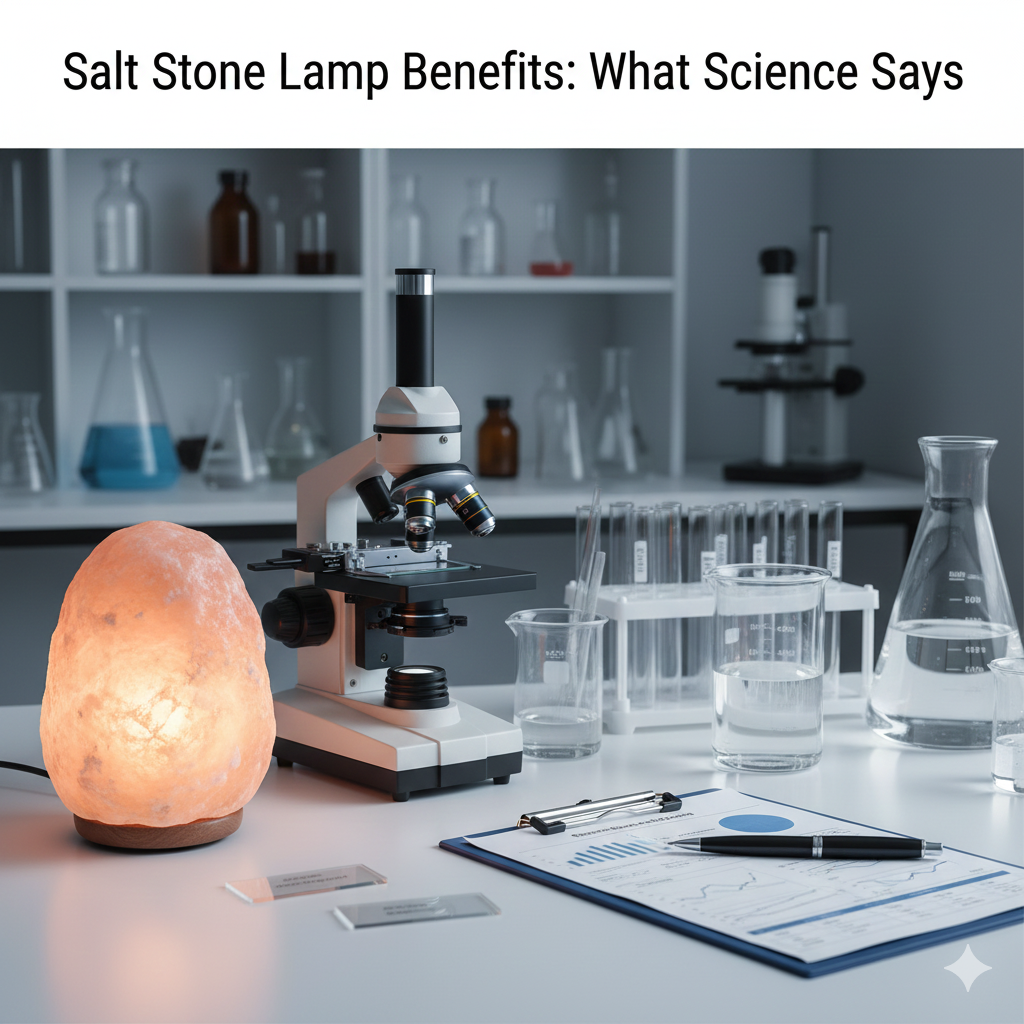
Salt stone lamps, crafted from natural Himalayan salt crystals, have grown in popularity for their warm glow and potential mental wellness benefits. Many users turn to these lamps to reduce anxiety, ease stress, and lift their mood, often placing them in bedrooms, offices, or meditation spaces. While countless anecdotal experiences highlight calming effects and improved emotional balance, scientific research remains limited. Some studies suggest subtle psychological benefits linked to ambient lighting and relaxation cues, but claims about air purification or dramatic anxiety reduction are often overstated. This guide explores realistic benefits, usage tips, and what the evidence truly supports.
How Salt Lamps Work
Himalayan salt stone lamps are made from natural salt crystals, primarily sourced from the Khewra mines in Pakistan. They come in various hues, from the familiar warm pink to lighter, almost white shades, with color differences reflecting mineral content. The lamp typically houses a small bulb or LED inside the hollowed-out crystal, which gently warms the salt. This warmth is believed to release tiny amounts of negative ions, although the levels are minimal compared to specialized air purifiers. Negative ions can interact with electronic devices by neutralizing some positive charges in the immediate area, creating a soothing environment. While this has led to claims of improved air quality and reduced stress, most scientific studies suggest the main effects are psychological—promoting calmness through ambient lighting and the ritual of mindful placement rather than significant ion generation. Proper lamp placement, away from moisture and electronics, ensures longevity and optimal visual and mental benefits.
Health Benefits of Salt Lamps
Himalayan salt lamps are widely used for their calming glow, which can subtly support better sleep. The soft amber light helps signal the brain that it’s time to wind down, aligning with natural circadian rhythms. Unlike harsh overhead lighting, this gentle illumination can create a soothing bedroom environment, making it easier to fall asleep and stay relaxed.
Beyond sleep, many users report reduced anxiety and stress when a salt lamp is present. While the lamps don’t directly alter brain chemistry, the warm light can enhance feelings of comfort, supporting meditation or mindfulness practices. This ambiance may indirectly influence serotonin and dopamine pathways, helping improve emotional balance.
Salt lamps also contribute to general mood enhancement. Placed in living rooms, offices, or study spaces, the soft, ambient glow reduces visual strain and creates a peaceful atmosphere. This emotional balance may help with focus, relaxation, and overall well-being. While scientific studies are limited, the combination of calming light, ritualistic placement, and mindful observation contributes to the perception of improved mood and mental wellness.
Air Quality & Allergy Support
Himalayan salt stone lamps are often marketed for their ability to improve indoor air quality and reduce allergens through the release of negative ions. Some enthusiasts suggest that these ions can attach to airborne particles like dust, pollen, or pet dander, helping them settle and creating a cleaner breathing environment. This claim makes salt lamps a popular choice for people looking to support respiratory health or manage mild allergy symptoms naturally.
However, scientific evidence for significant air purification is limited. Unlike HEPA filters or professional air purifiers, salt lamps generate very few ions, meaning their effect on allergens or pollutants is minimal. They should not replace proven methods like regular cleaning, ventilation, or medical treatments for allergies and asthma.
Realistically, Himalayan salt lamps offer mild support by encouraging relaxation and a perception of cleaner air. Their main benefits lie in mood and stress reduction, while any air quality improvements are subtle and supplementary, rather than a replacement for functional air filtration systems.
Scientific Evidence & Limitations
While many users report feeling calmer, sleeping better, or experiencing reduced stress when using Himalayan salt stone lamps, rigorous scientific studies on their physiological effects remain scarce. Research on negative ions suggests some potential for mood improvement and alertness, but the ion output from a typical salt lamp is far lower than levels used in controlled experiments.
Anecdotal experiences often highlight psychological benefits, such as relaxation from the lamp’s warm glow, reduced anxiety, or improved sleep routines. These effects are largely linked to environmental cues and ambient lighting rather than measurable changes in air quality or ion concentration.It’s important to distinguish between physiological and psychological outcomes. Himalayan salt stone lamps may not significantly impact allergies, respiratory health, or toxin removal. However, their calming light, cozy aesthetic, and association with mindful routines can support emotional well-being, stress relief, and better sleep habits, making them a low-risk complementary tool for creating a soothing indoor environment.
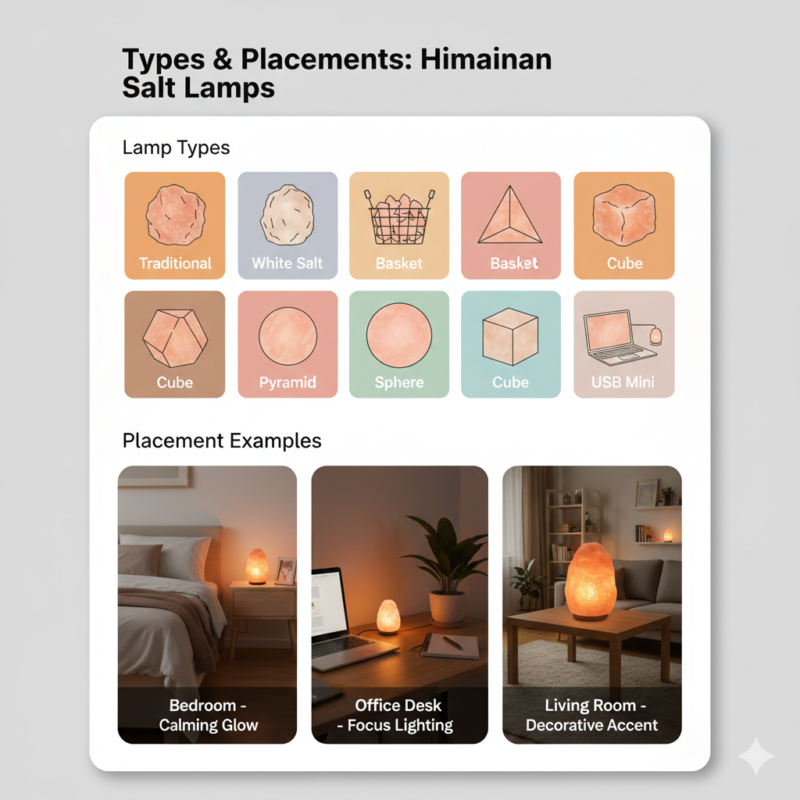
Lamp Types & Placement (120 words)
Himalayan salt stone lamps come in a variety of types and designs, each suited to different spaces and uses. Traditional pink salt lamps are the most common, prized for their warm glow, while white salt lamps offer a subtler aesthetic for minimalist décor. Shapes range from classic baskets and pyramids to spheres and cubes, allowing flexibility in style and size. USB-powered mini lamps are ideal for desks or small workspaces.
Placement plays a key role in maximizing benefits: bedrooms benefit from a soft, calming glow to support sleep, offices can use smaller lamps for ambient focus lighting, and living rooms work well with medium to large lamps as a decorative accent. Correct placement ensures both aesthetic appeal and a relaxing atmosphere.
Safety, Maintenance & Authenticity
Ensuring safe use of your Himalayan salt stone lamp starts with proper maintenance and verifying authenticity. Use the correct bulb wattage to avoid overheating, which can cause excessive sweating or minor corrosion. Regularly wipe your lamp with a dry cloth to remove dust and moisture, and place it on a protective tray to prevent damage to furniture from salt residue.
Authenticity is crucial: genuine Himalayan salt stone lamps originate from Khewra mines in Pakistan. Look for natural pink crystals with uneven surfaces and consistent coloring. Avoid lamps that are overly shiny or have uniform shapes, as these are often synthetic. Price ranges vary based on weight and size, but extremely cheap lamps may indicate fakes. Checking the return policy and seller reputation adds an extra layer of security. Proper care and verification ensure a safe, long-lasting, and visually appealing lamp for your home or office.
Alternatives & Combination Strategies
While Himalayan salt stone lamps can enhance ambiance and support relaxation, combining them with other air-cleaning methods provides more measurable benefits. HEPA filters are highly effective at trapping dust, pollen, and allergens, while ionizers help reduce airborne particles by creating negative ions. Using a salt lamp alongside these devices can create a soothing environment, pairing visual and psychological comfort with actual air purification. For bedrooms or offices, consider placing a medium salt lamp near your workspace or bedside, while running a HEPA filter or ionizer in the same room. This combined approach maximizes both mood support and indoor air quality.
Conclusion
Himalayan salt stone lamps can add a warm, calming glow to any room, supporting mood, stress relief, and a relaxing atmosphere. While many users enjoy these benefits, it’s important to balance anecdotal experiences with scientific evidence—air purification and negative ion claims are modest at best. Safe use requires attention to bulb wattage, proper placement, and regular cleaning to prevent sweating and corrosion. Always verify authenticity by checking Khewra origin and avoiding fakes. By combining lamps with HEPA filters or ionizers and following maintenance tips, you can enjoy the aesthetic and psychological benefits safely and effectively.
FAQ
- Do salt lamps improve sleep? They can promote relaxation with soft, warm light, supporting circadian rhythm, though effects vary individually.
- Can they reduce stress and anxiety? Ambient lighting may help create a calming environment, complementing meditation or relaxation routines.
- Are salt lamps safe for children and pets? Keep out of reach; ingestion can cause salt toxicity in pets.
- How do I clean my lamp? Wipe with a dry cloth; avoid water to prevent corrosion and sweating.
- How to spot fake lamps? Check Khewra origin, weight, and surface texture.
- What bulb wattage is safe? Typically 15–25W; avoid overloading sockets.
Can they improve air quality? They may help slightly, but HEPA filters are more effective.

2 thoughts on “The salt stone lamp benefits for anxiety, stress, and mood”