

Blog
Why Pakistani Himalayan Salt Dominates the Global Market — Top Quality Insights

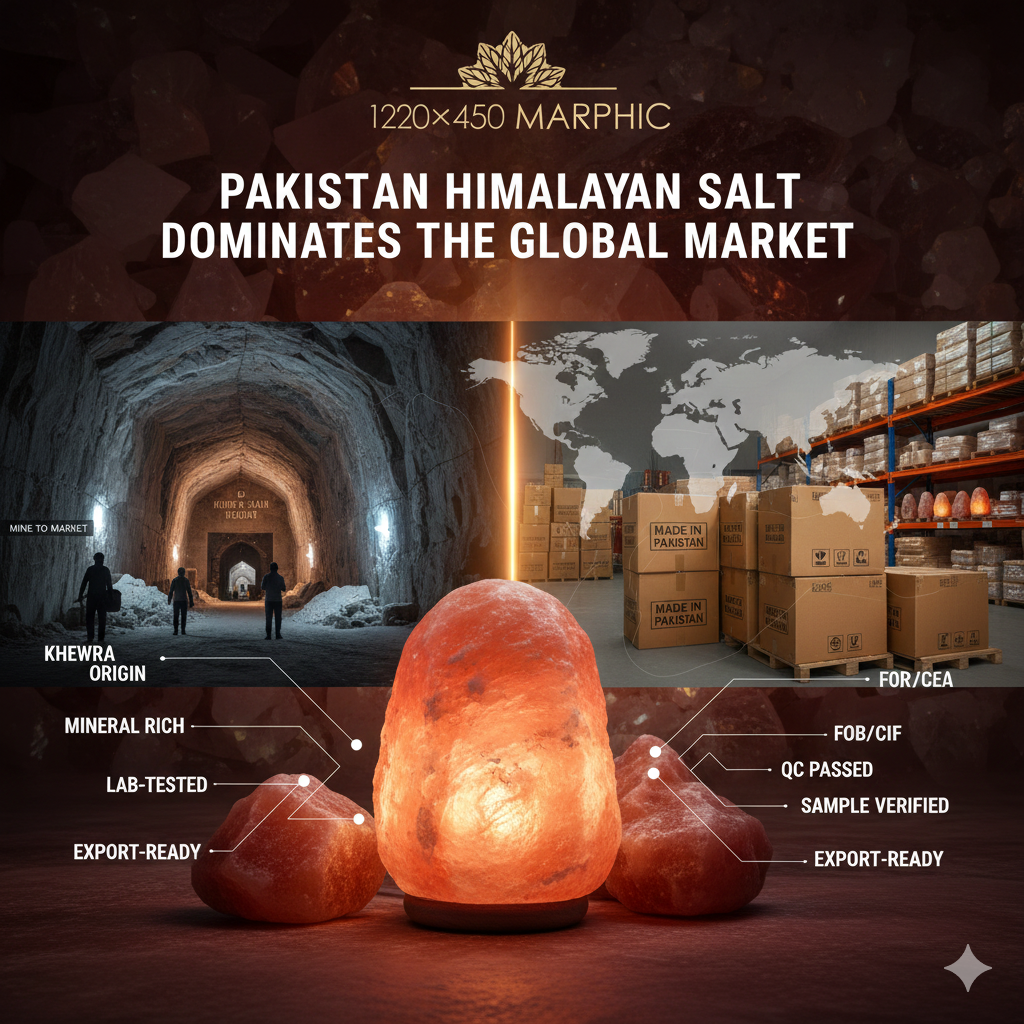
Pakistani Himalayan salt, sourced primarily from the historic Khewra mines, is renowned worldwide for its natural pink hue, rich mineral composition, and consistent quality. Over the years, it has become a sought-after commodity in health, wellness, culinary, and décor markets across Europe, North America, and Asia. Its unique properties make it ideal for salt lamps, cooking blocks, and spa products. Understanding why Pakistani Himalayan salt dominates the global market helps retailers, exporters, and consumers make informed choices. In this guide, we explore its origin, mineral quality, global demand, and practical insights for buyers and businesses aiming to leverage this premium natural resource.
Origin & Mineral Quality
The exceptional reputation of Pakistani Himalayan salt begins at the Khewra mines, one of the world’s oldest and largest salt reserves. Each salt crystal contains a rich mineral profile, including naturally occurring potassium, magnesium, and calcium, giving it the signature pink hue that distinguishes authentic Himalayan salt from imitations. Provenance matters: genuine Khewra salt ensures consistent quality, purity, and safety for use in lamps, cooking, and wellness products. Buyers and exporters are advised to verify origin, inspect mineral composition, and check for certifications to avoid counterfeit or low-grade products. Authenticity ensures the true benefits and global recognition of this prized natural resource.
Mining Process
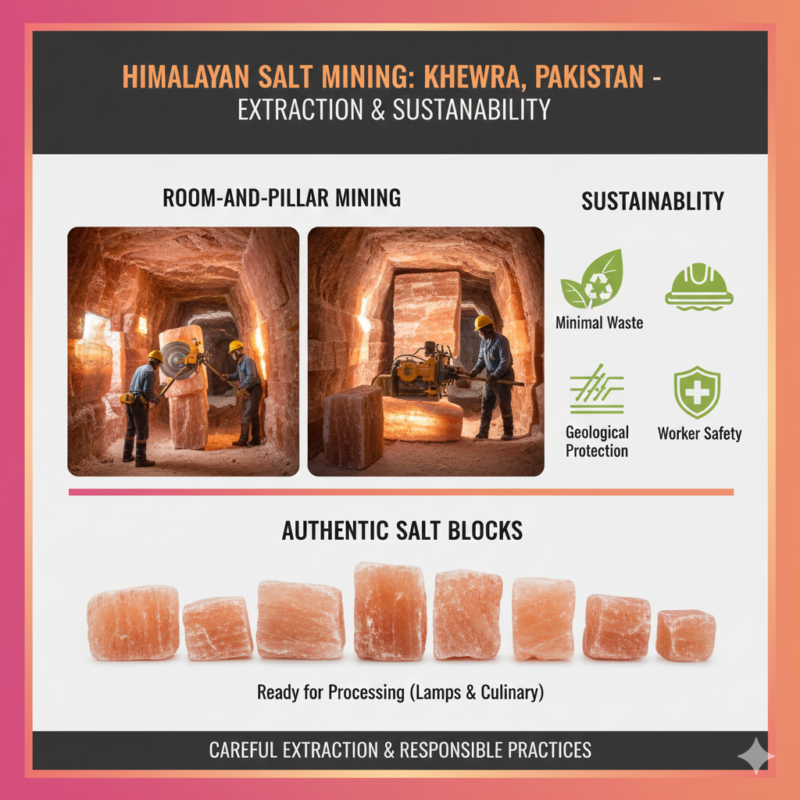
Pakistani Himalayan salt mining in Pakistan follows the traditional room-and-pillar method, ensuring the structural safety of Khewra mines while maximizing salt extraction. Miners use a mix of hand tools and mechanical equipment depending on the scale and block size, balancing efficiency with careful preservation of crystal integrity. Sustainable practices are increasingly prioritized, including minimizing waste, protecting surrounding geology, and ensuring worker safety. Understanding these mining techniques helps buyers, exporters, and enthusiasts appreciate the effort behind each salt lamp or culinary block. Transparent sourcing from responsible mines not only guarantees authenticity but also supports long-term sustainability of Pakistan’s globally renowned Himalayan salt industry.
Extraction & Grading
Once Himalayan salt blocks are carefully mined from Khewra, the extraction process focuses on preserving crystal integrity. Workers sort the raw salt by size, color, and mineral density to ensure consistent quality for lamps and culinary use. Each block undergoes gentle washing to remove dust and impurities, followed by controlled drying to prevent cracking or moisture retention. Grading determines which blocks are suitable for jumbo lamps, mini décor pieces, or export-ready products. This meticulous process guarantees that every Himalayan salt lamp meets both aesthetic and functional standards, maintaining Pakistan’s reputation for high-quality, authentic pink salt products in the global market.
Salt Lamp Types & Designs
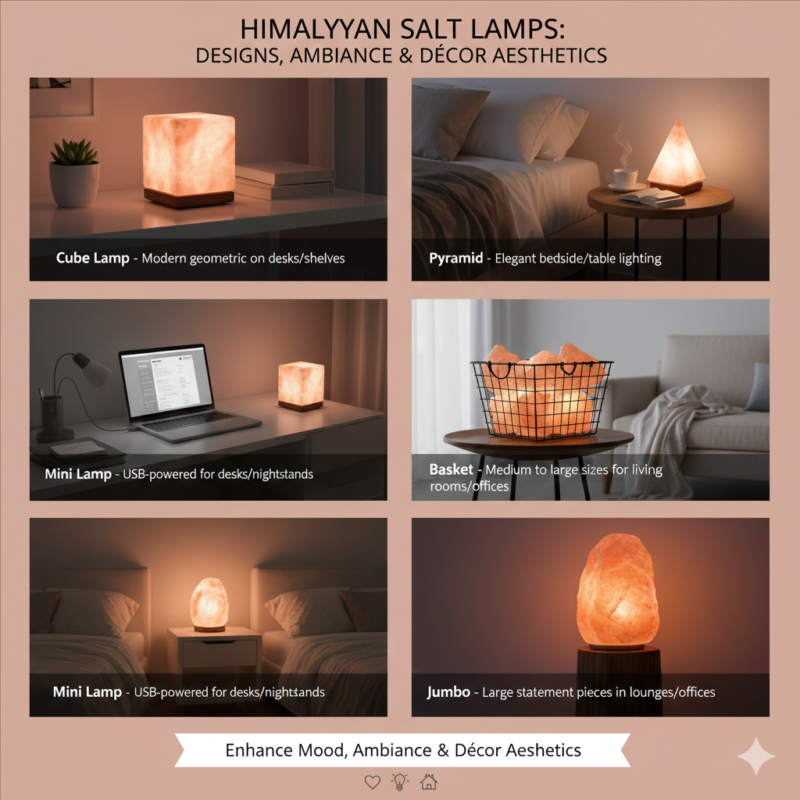
Himalayan salt lamps come in a variety of shapes and sizes to suit different spaces and décor styles. Popular designs include cube, pyramid, and basket lamps, each offering a unique glow and ambiance. Mini lamps are perfect for bedside tables or small workspaces, while jumbo lamps serve as statement pieces in living rooms or offices. Some models feature USB connectivity for modern setups. The shape and size not only affect lighting but also influence the room’s mood, making it essential for buyers to choose a lamp that complements their interior while maximizing both visual appeal and functional benefits.
Global Market Trends
Pakistani Himalayan salt lamps have seen growing demand across Europe, North America, and the Middle East, driven by interest in wellness and home décor. Prices vary based on size, design, and purity, with mini lamps generally more affordable and jumbo or carved pieces fetching premium rates. Key importing countries include the USA, Germany, and the UAE, reflecting both retail and wholesale demand. Trade statistics indicate steady growth in export volumes year over year, highlighting Pakistan’s leading role in the global pink salt lamp market. Retailers and distributors benefit by understanding these pricing trends and country-specific preferences when sourcing.
Export Preparation & Logistics
Exporting Himalayan salt lamps from Pakistan requires careful attention to packaging, labeling, and shipping terms. Lamps are often individually wrapped in protective foam or pre-boxed for retail-ready presentation, ensuring crystal integrity during transit. Clear labeling with product weight, type, and origin (Khewra) helps with customs compliance and buyer confidence. Sample shipments are recommended to verify quality before bulk orders. Understanding FOB (Free on Board) and CIF (Cost, Insurance, Freight) terms is essential for negotiating costs with international buyers. Efficient logistics planning ensures lamps reach global markets safely, maintaining their premium value and reputation for quality and authenticity.
Certifications & Quality Assurance
When sourcing or exporting Pakistani Himalayan salt lamps, certifications and quality assurance are critical. Authentic lamps from Khewra can be verified through lab testing that confirms mineral composition and purity. ISO certifications demonstrate that manufacturers follow standardized quality management practices, while UL or CE-approved cords ensure electrical safety for global markets. Retailers and wholesalers should request these documents before placing bulk orders. Proper certification not only protects end-users but also strengthens brand credibility. Regular quality checks, combined with traceability from mine to finished product, guarantee that each lamp meets international safety and authenticity standards, making them reliable for both domestic and export markets.
Sustainability & Ethical Practices
Sustainability and ethical practices are increasingly important in Himalayan salt lamp production. Leading manufacturers in Pakistan follow eco-friendly mining techniques that reduce environmental impact while maintaining the integrity of Khewra salt deposits. Worker safety is prioritized with proper protective equipment, regulated shifts, and safe extraction methods, especially in hand-mined and mechanical operations. Zero-waste policies ensure that salt fragments and dust are either recycled into smaller lamps or used for other industrial purposes. Retailers and exporters should ask suppliers about their sustainability certifications and ethical sourcing policies. Supporting responsible manufacturers helps preserve the environment and ensures long-term availability of authentic Himalayan salt lamps.
Wholesale Buyer Guide
For retailers and bulk buyers, understanding the wholesale process of Himalayan salt lamps is essential. Minimum order quantities (MOQ) vary by supplier and lamp type, with micro, bedside, and jumbo sizes influencing pricing. Vetting suppliers involves checking Khewra origin, lab-tested mineral composition, and UL/CE certified cords. Retail-ready SKUs often include pre-boxed units, gift sets, and clear labeling for easy store display. Before committing, request sample lamps to verify quality, authenticity, and packaging standards. Following these steps ensures that buyers receive genuine, high-quality Himalayan salt lamps suitable for resale, reducing risk and building customer trust.
Health & Ambiance Benefits
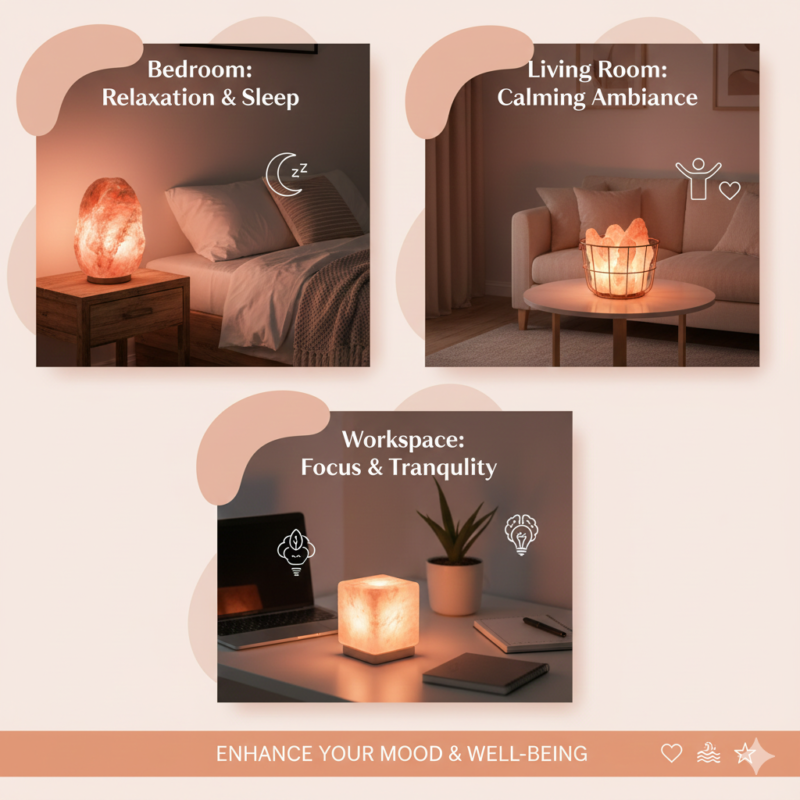
Pakistani Himalayan salt lamps are popular for their subtle glow and calming presence, often used to enhance mood and promote relaxation. Many users report a sense of stress relief and improved sleep quality when lamps are placed in bedrooms, living rooms, or workspaces. While claims about negative ion generation exist, the most consistent benefits come from the warm ambient light and cozy atmosphere they create. It’s important to have realistic expectations: salt lamps support a soothing environment but are not a replacement for medical treatments. Incorporating them thoughtfully can enhance well-being, focus, and a tranquil home ambiance.
Alternatives & Recommendations
For retailers looking to expand their Himalayan salt lamp offerings, LED and ceramic alternatives provide practical options. LED salt lamps mimic the warm glow of traditional salt crystals but consume less power and have longer-lasting bulbs, making them ideal for high-traffic stores or office settings. Ceramic salt lamps offer durability and lighter weight, suitable for gift sets or bulk displays. Retailers can combine these options with natural salt lamps to meet diverse customer preferences while maintaining décor appeal. Choosing a mix of traditional, LED, and ceramic lamps allows businesses to cater to various budgets, aesthetics, and functional
Conclusion
Pakistani Himalayan salt leads the global market thanks to Khewra’s rich mineral composition, consistent quality, and centuries of mining expertise. Its authentic pink crystals, carefully extracted using room-and-pillar methods, meet both decorative and wellness demands worldwide. Retailers and buyers benefit from verified suppliers offering export-ready SKUs, lab-tested authenticity, and proper certifications like ISO and UL/CE. To secure the best products, request samples, confirm Khewra provenance, check packaging and cord safety, and clarify shipping terms like FOB or CIF. Following these steps ensures authentic, high-quality Himalayan salt lamps that appeal to global buyers and maintain Pakistan’s strong reputation.
FAQS
Q1: How is Himalayan salt mined in Khewra?
A1: Mining uses room-and-pillar methods, with both hand and mechanical extraction to preserve crystal integrity.
Q2: What certifications should I request from suppliers?
A2: Ask for lab-tested mineral reports, ISO compliance, and UL/CE cord verification for safety.
Q3: How can I verify authenticity for wholesale orders?
A3: Check Khewra provenance, supplier photos, and lab test results.
Q4: What are standard wholesale MOQ and sample policies?
A4: MOQ varies by supplier; request sample units before placing bulk orders.
Q5: How should I handle export logistics?
A5: Clarify packaging, labeling, FOB/CIF terms, and sample shipment options.

One thought on “Why Pakistani Himalayan Salt Dominates the Global Market — Top Quality Insights”