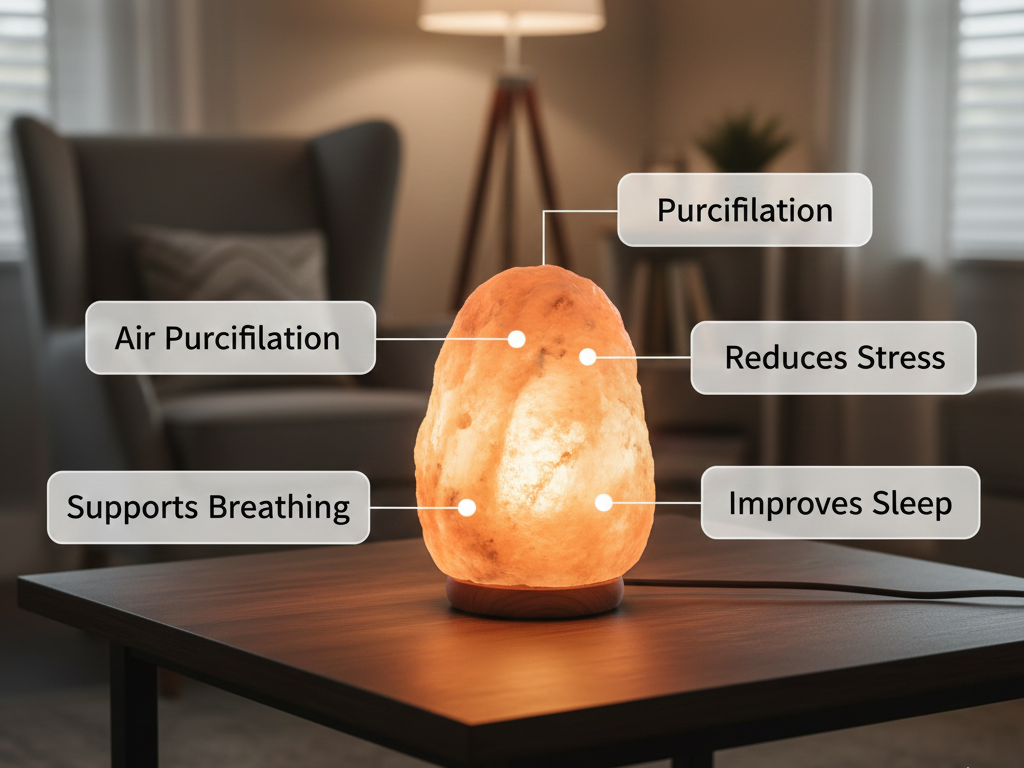
You’ve probably heard all sorts of amazing things about salt lamps – how they clean the air, boost your mood, and even help you sleep better. Sounds pretty great, right? But what’s the real story? Let’s talk about what these glowing rocks actually bring to your home and what might just be a bit of a tall tale.
The Air Cleaning Myth: Let’s Be Real
No, a small salt lamp isn’t going to purify the air in your room like a fancy air filter. While real salt does attract water vapor (and any dust floating in it), the amount of air it “cleans” is incredibly tiny, almost zero for a room. It won’t replace an actual air purifier for allergies or pollutants.
Think of it like this: a single damp cloth won’t clean your entire house, even if it picks up some dust. That’s pretty much how a salt lamp works on air. It does attract a tiny bit of moisture, and that moisture has some dust in it. But it’s not enough to make a real difference to the air quality you breathe.
So, if you bought it hoping to fix your allergies, you might be out of luck. Don’t throw away your air conditioner for a lamp.
The Mood Booster: Where It Shines
Okay, so it won’t scrub your air. But here’s where a salt lamp truly delivers: ambiance.
A Cozy Glow for Your Home
That soft, warm, orange-pink light? It’s just plain nice to look at. It creates a calming atmosphere, like candlelight but safer. It’s perfect for winding down after a long day in the hustle and bustle of Karachi or Lahore.
I use mine in the evenings instead of harsh overhead lights. It just makes the room feel softer, more relaxed. It’s like a visual sigh of relief.
Multimedia Suggestion: Include a lovely, slightly blurred image of a salt lamp glowing softly in a dim room. Focus on the warm light washing over nearby objects, emphasizing tranquility. No people, just the mood.
Helping You Sleep? Maybe a Little.
Could that soft glow help you sleep? It’s not a sleeping pill, but it might help set the stage for better rest.
Less Blue Light, More Chill
Bright, white, or blue lights (like from your phone or TV) can mess with your body’s natural sleep cycle. They trick your brain into thinking it’s daytime.
A salt lamp, with its super dim, warm light, doesn’t do that. It’s a gentle light source that won’t jar your system before bed. It signals to your brain that it’s time to relax. So, while it’s not a direct sleep aid, it helps create a sleep-friendly environment. That’s a plus in my book.
A Pinch of Wellness?
Some folks talk about “negative ions” and how salt lamps release them, supposedly making you feel better. This is a bit like old wives’ tales – it sounds good, but there’s not much science to back it up for salt lamps.
While negative ions are a thing in nature (like near waterfalls), a warm salt lamp probably isn’t kicking out enough to make a difference to your health. Don’t expect a miracle cure. Just enjoy the pretty light.
Data Suggestion: You could include a very simple, honest statement here like: “Scientific research on salt lamps’ ability to produce significant negative ions or improve air quality is very limited and often inconclusive. Most benefits are anecdotal.” This builds trust by managing expectations.
Conclusion
So, do salt lamps work? Yes, but not in the way some people claim. They’re fantastic for creating a calm, cozy atmosphere with their beautiful, warm light. They might indirectly help you relax before bed by offering a gentle alternative to harsh lights. But don’t count on them for air purification or any big health boosts. Buy it for the mood, the glow, and the fact that it’s a cool piece of nature from Pakistan. That’s enough reason for me.
You finally bought one. It’s sitting on your table, glowing away. But a nagging doubt creeps in. Did you get the real deal or just a hunk of orange plastic? It’s a fair question since fakes are definitely out there in the market. Let’s figure it out together real quick.
The “Too Perfect” Problem
Real nature is messy. It doesn’t make perfect things.
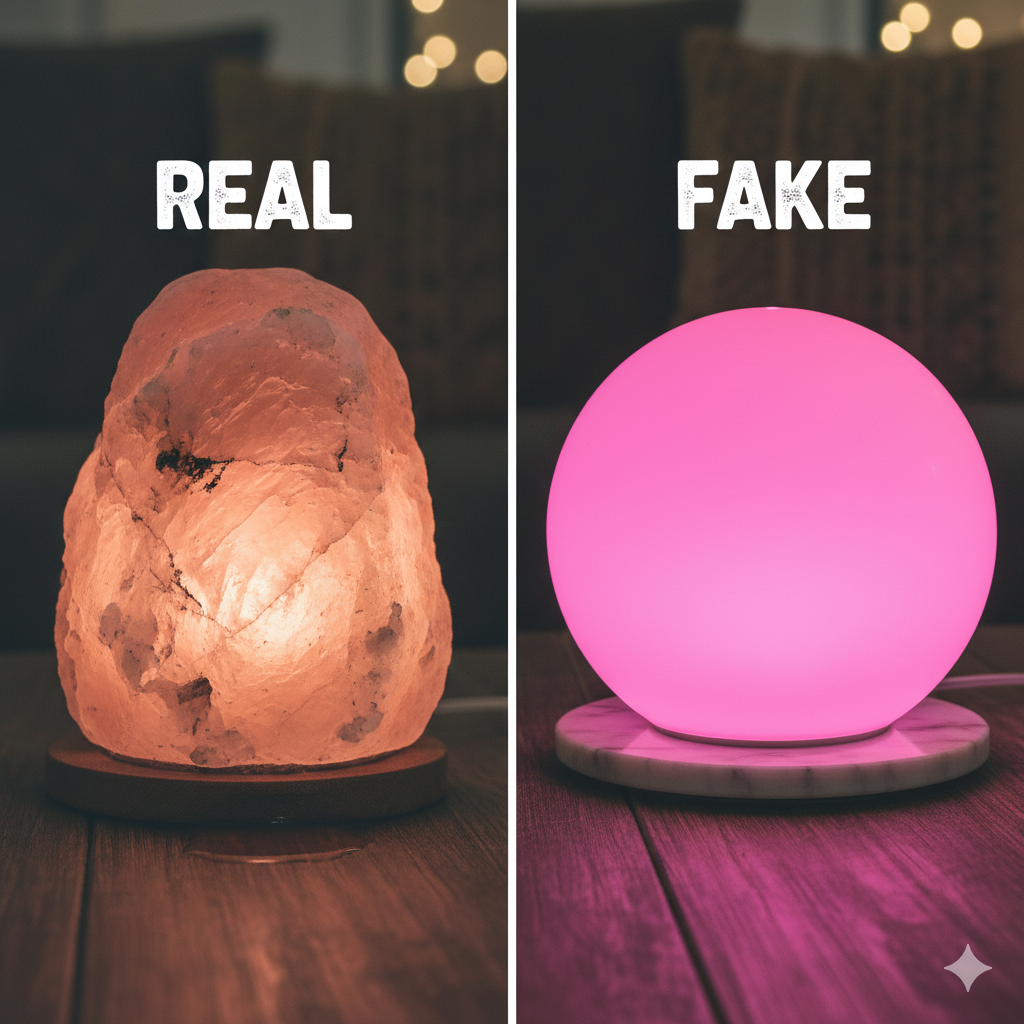
If your lamp looks like a perfectly smooth, uniform block of bright orange, be suspicious. Real Himalayan salt crystals have cracks, weird veins, and dark spots inside them. They have character and look rugged.
If it looks exactly like the picture on the box, it might be mass-produced fake material.
Multimedia Suggestion: This is the perfect spot for a side-by-side image comparison. On the left, show a rugged, imperfect real lamp with visible cracks. On the right, show a super-smooth, perfectly uniform fake one. Label them “REAL” and “LIKELY FAKE”.
The Ultimate Test: Does It Sweat?
The most reliable way to know if your salt lamp is real is checking if it reacts to humidity. Real salt is hygroscopic, meaning it naturally attracts water from the air. In humid Pakistani weather, if the lamp is turned off for a day or two, it should start dripping water or feel very damp. A fake plastic or glass lamp will stay completely dry no matter how humid it gets outside.
The Monsoon Reality Check
Living in Pakistan actually gives us an advantage for this test. Our humidity is usually high, especially during monsoon season.
If you leave a real lamp turned off for a few days in July, it’s going to make a salty puddle on your table. It’s annoying, sure, and you need a coaster. But that mess is proof that it’s authentic salt doing its thing.
The Light Test
Real salt rock is dense and heavy. It doesn’t let light pass through it easily.
It Should Be Dim
When you turn it on, the glow should be muted, soft, and uneven because of the internal cracks. You shouldn’t be able to read a book clearly by its light.
If it lights up the whole room brightly like a standard 60-watt bulb, you’re likely looking at colored glass or plastic that lets too much light through.
Why Does It Matter Anyway?
You might ask, who cares as long as it looks nice? It matters because you paid for salt from Khewra, right here in Pakistan.
Data Suggestion: Insert a small text box here with a quick fact to establish origin authority: “Fact: True ‘Himalayan’ pink salt is mined in the Punjab region of Pakistan, mostly around the Khewra Salt Mine. Salt from other regions is not the same.”
Fake lamps are just decor. They are usually lighter than real salt and just don’t feel right. They won’t give you that authentic, earthy feel of having a piece of local geology in your room.
Conclusion
Don’t overthink it too much. Just look for imperfections like cracks and dark spots. More importantly, watch how it handles our humid weather. If it sweats when it’s off and has a soft, uneven glow when it’s on, you’ve likely got the real thing. Enjoy that natural vibe.
You’ve seen them glowing in shops, haven’t you? That warm, pinkish light is pretty hard to ignore. It just makes a room feel cozy instantly. If you’re looking to buy Pink Himalayan Salt Lamp in Pakistan, the good news is it’s practically in our backyard. The best ones come straight from Khewra. You can find them easily on local websites like Daraz or WBM, or even in larger superstores in Lahore or Karachi. Just look for the ones that look rugged and natural.
Why Everyone in Pakistan Wants One Right Now
Honest truth? They just look really cool. Forget the magic health claims for a second. The main reason people grab these is for the vibe.
It changes the whole mood of a room. It’s like having a little campfire on your desk without the smoke. I keep one on my bedside table, and it’s the perfect nightlight that doesn’t hurt my eyes.
Plus, it’s kind of a local treasure. These things come from the Khewra Salt Mine right here in Punjab. It feels nice to own something that’s authentically Pakistani. It’s a piece of our own earth glowing on the shelf.
Multimedia Suggestion: Place a high-quality, warm-toned image here showing a natural-shaped salt lamp lit up on a wooden table next to some books. It sets the cozy mood immediately.
Am I Buying a Fake? Here’s How to Tell.
The quickest way to spot a fake salt lamp is by checking how much light it lets through. A real Himalayan salt lamp is dense and full of minerals, so its light will always be dim, uneven, and muted. If the lamp glows brightly like a normal lightbulb and lights up the whole room evenly, it’s probably just colored plastic or glass, not real salt.
Real salt is messy stuff. That’s actually a good sign. If the lamp looks too perfect, be suspicious. Real lamps have cracks, chips, and weird dark spots inside the crystal.
Try the “sweat test” if you can. Real salt attracts water. In humid Pakistani weather, a real lamp will start dripping water if it’s turned off for too long. If it stays bone dry during monsoon season, you might have a fake on your hands.
Where is the Best Place to Buy One?
You have two main choices here. You can click a button online or go hunt for one in a bazaar.
Buying Online vs. Local Bazaars
Buying online is obviously easier. You don’t have to leave the house in the heat. Sites deliver right to your door, and the quality is usually decent since they want good reviews.
But I personally like buying them in person. Going to a local market means you get to pick the exact shape you want. You can hold it, check the weight, and see the color with your own eyes before paying.
What About Prices in PKR?
Don’t overpay for these things. Salt is cheap. The price usually depends on how heavy the rock is.
A small one for your desk shouldn’t break the bank. If someone asks for thousands for a tiny lamp, just walk away.
Data Suggestion: Insert a simple text box or bulleted list here with estimated current prices. For example: “Typical Prices: Small (2-3kg): PKR 800 – 1500. Medium (4-6kg): PKR 1600 – 2500. Large (8kg+): PKR 3000+.”
Setting It Up and Keeping It Working
So you bought one. Now, where do you put it so it doesn’t ruin anything?
Picking the Perfect Spot
Keep it away from places where water splashes. Don’t put it right next to the bathroom sink.
They look best in dark corners that need a little life. I love mine near the TV; it balances out that harsh blue screen light. Just make sure it’s close to an outlet so you aren’t tripping over cords.
Dealing with the “Salt Sweat”
This is a real issue in our climate. When it rains, these lamps cry.
If you don’t keep the bulb on, the salt pulls moisture from the air and starts dripping salty water. This water will ruin wooden tables faster than you think.
Always keep a coaster or a small plate underneath it. If you aren’t going to use the lamp for a few days, wrap it tightly in a plastic bag to keep the humid air out. It sounds weird, but it works.
Conclusion
Getting a salt lamp is a simple way to make your space feel a bit more welcoming. It’s not complicated science; it’s just a nice, natural rock that glows. Just make sure you get the real deal and put a plate under it during monsoon season. When you’re ready to buy Pink Himalayan Salt Lamp in Pakistan, stick to trusted local sellers and trust your gut on the price. Enjoy the glow.
Choosing the right Himalayan salt lamp for your room size ensures you get the ideal glow, ambiance, and potential wellness benefits. Lamps come in various sizes—mini, medium, large, and jumbo—and each fits differently depending on the room’s square footage and layout. This guide will help you understand how lamp size affects light coverage, placement, and décor, while also covering buying tips, authenticity checks, and maintenance advice. By the end, you’ll know exactly which lamp size works best for bedrooms, living rooms, offices, or smaller spaces, combining style and function effortlessly.
Introduction: Choosing the Right Himalayan Salt Lamp
A Himalayan salt lamp is a decorative lighting piece made from natural salt crystals, usually sourced from the Khewra mines in Pakistan. Beyond their warm, soothing glow, these lamps are often used for mood enhancement, sleep support, and creating a calming ambiance. Choosing the right lamp size is key, as mini, medium, large, and jumbo lamps each suit different room dimensions and lighting needs. This guide will walk you through room mapping, placement strategies, and buying tips, helping you select an authentic, well-sized lamp that not only complements your décor but also fits your lifestyle and wellness goals.
Why Lamp Size Matters
Choosing the right Himalayan salt lamp size affects both light coverage and the lamp’s presence in a room. A lamp’s surface area determines how much warm glow it emits, influencing mood and ambiance. Larger lamps naturally illuminate bigger spaces, while smaller lamps are better for desks or bedside tables.
One Large Lamp vs Multiple Small Lamps
Lamp Size
Recommended Room Size
Notes
Large (15–20 lbs)
150–250 sq. ft.
Strong glow, centerpiece effect
Medium (8–12 lbs)
80–120 sq. ft.
Balanced illumination
Small/Mini (3–5 lbs)
30–50 sq. ft.
Accent lighting, multiple placement possible
Lamp Size Chart & Room Mapping
Understanding Himalayan salt lamp sizes helps you choose the right glow for your space. Lamps range from micro (2–3 lbs) to jumbo (20+ lbs), with each size suited to different room square footage.
Benefits & Health Claims of Himalayan Salt Lamps
Many people use Himalayan salt lamps for their potential air purification properties, as the lamps are said to attract light moisture and airborne particles. While scientific evidence is limited, some studies suggest the warm glow can positively influence mood and sleep, creating a relaxing environment in bedrooms or offices.
Air Purification
Claims: reduces dust and allergens; Evidence: minimal scientific confirmation.
Mood & Sleep Support
Claims: calming amber light promotes relaxation; Evidence: supported by light therapy principles rather than lamp-specific studies.
Evidence-Based Summary
Lamps are primarily decorative with mild wellness effects, suitable for ambiance and stress reduction.
Buying Guide & Authenticity Checklist
When purchasing a Himalayan salt lamp, it’s important to verify authenticity. Genuine lamps come from the Khewra mines in Pakistan and have a natural pink to orange hue. Avoid lamps that are too glossy, overly uniform, or unusually cheap, as these are likely artificial.
Spotting Fakes & Verifying Origin
Check for return policies, reputable sellers, and proper labeling to ensure a real salt crystal lamp.
Price Ranges
Mini/Small: $15–$30
Medium: $30–$60
Large (15–20 lbs): $60–$120
Maintenance & Safety Tips for Himalayan Salt Lamps
Proper maintenance ensures your Himalayan salt lamp lasts longer and remains safe. Salt lamps naturally sweat in humid conditions, so wipe them gently with a dry cloth and avoid water exposure.
Cleaning & Sweating
Dust regularly and place a small plate or coaster underneath to catch moisture. Avoid using chemical cleaners that can damage the salt surface.
Electrical Safety & Bulb Info
Use the correct wattage bulb recommended for your lamp size, typically 15–25 watts for small to medium lamps. Inspect cords and plugs regularly to prevent electrical hazards. Proper care keeps your lamp both beautiful and safe.
Alternatives & Combination Strategies
While Himalayan salt lamps provide a calming glow and mild wellness benefits, they are not a substitute for true air purification. For enhanced air quality, consider HEPA filters and air ionizers, which effectively remove dust, allergens, and airborne particles.
Combined Use
Pairing a salt lamp with a HEPA purifier or ionizer can create both a visually soothing environment and cleaner air, especially in bedrooms or office spaces. This approach lets you enjoy the lamp’s decorative ambiance while relying on proven devices for air quality improvement, combining aesthetics with functionality in your room.
Conclusion
Choosing the perfect Himalayan salt lamp for your room size balances authenticity, size, and placement. Small lamps suit bedrooms and desks, while large lamps can enhance living rooms or open spaces. Always verify the origin from Khewra mines, check for return policies, and follow maintenance tips to prevent sweating or electrical hazards. While lamps offer ambient glow and mild mood support, combine them with HEPA filters or ionizers if you want measurable air purification. With careful selection and placement, your salt lamp can provide both visual appeal and a calming atmosphere in any room.
FAQ: Himalayan Salt Lamp Room Size Guide
1. What size Himalayan salt lamp do I need for my bedroom?
For small bedrooms (25–50 sq. ft.), a micro or small lamp (2–5 lbs) provides gentle ambient lighting.
2. Can one large lamp replace multiple small lamps?
Yes, a large lamp (15–20 lbs) covers more area, but multiple small lamps offer layered light and flexible placement.
3. Are salt lamps safe around children and pets?
Yes, if placed out of reach and used with proper electrical safety.
4. How often should I clean my lamp?
Wipe weekly with a dry cloth to remove dust and moisture.
5. Do larger lamps provide better mood or sleep support?
Larger lamps enhance ambient glow, creating a relaxing atmosphere, but health benefits are subtle.
6. Can I combine a salt lamp with an air purifier?
Yes, using a HEPA filter or ionizer alongside the lamp improves air quality while maintaining ambiance.
Mini Himalayan salt lamps are small, natural rock lamps carved from pink Himalayan salt. They are popular for their soft amber glow, calming ambiance, and compact size, making them perfect for desks, bedside tables, or small living spaces. In this guide, you’ll learn the potential benefits of these mini lamps, how to use them effectively, and the best designs to suit your décor. We’ll cover everything from their health claims, room placement tips, and bulb recommendations to buying tips, maintenance, and safety advice. By the end, you’ll know how to pick the ideal mini salt lamp for your home.
Introduction: Mini Himalayan Salt Lamps
Mini Himalayan salt lamps are compact versions of traditional salt lamps, crafted from natural pink Himalayan salt sourced mainly from Khewra mines in Pakistan. Their small size makes them ideal for desks, bedside tables, or shelves, while still giving a soft, warm amber glow that adds cozy ambiance to any room. People often use them for potential mood enhancement, relaxation, and sleep support, though their air-purifying claims are limited. In this guide, you’ll learn the main benefits, practical uses, and styling ideas, along with tips on choosing authentic lamps, proper placement, and maintenance to ensure your mini lamp lasts for years.
What Are Mini Himalayan Salt Lamps?
Mini Himalayan salt lamps are small, natural lamps made from pure pink Himalayan salt. Unlike larger lamps, they are lightweight and perfect for small spaces like desks, bedside tables, or study corners.
Origins & Khewra Mines
These lamps are carved from salt extracted from the Khewra salt mines in Pakistan, one of the oldest and largest salt mines in the world. The natural pink hue comes from trace minerals found in the rock, giving each lamp a unique appearance.
Types & Sizes (Micro, Small)
Mini lamps generally come in micro (1–2 kg) and small (2–4 kg) sizes. Micro lamps are ideal for personal desks or nightstands, while small lamps work well for bedrooms or cozy corners, offering a gentle, soothing glow without overpowering the space.
Benefits & Health Claims
Mini Himalayan salt lamps are often used for their soft glow and calming presence.
Air Purification
Many people believe these lamps can reduce dust or allergens in small spaces. In reality, mini lamps produce minimal negative ions, so their air-purifying effects are limited, though they can slightly reduce surface moisture.
Mood & Sleep Support
The warm amber light can create a relaxing environment, helping with stress relief, winding down before bed, and promoting a cozy atmosphere that may improve sleep quality.
Evidence-Based Analysis
Scientific studies show limited direct health benefits from mini salt lamps. Most positive effects are psychological, stemming from ambiance and lighting rather than measurable air cleaning or medical outcomes.
Best Designs & Room Uses
Mini Himalayan salt lamps come in a variety of shapes and styles to suit different décor preferences. Popular shapes include pyramid, sphere, and heart, each adding a unique visual appeal while providing the familiar warm amber glow.
Placement (Bedside, Desk, Office)
Bedside: Small or micro lamps create a calming light for sleep and relaxation.
Desk: Micro lamps enhance focus and mood without taking up much space.
Office: Small lamps add subtle décor and a cozy glow, perfect for workstations or meeting areas.
Best Designs & Room Uses
Mini Himalayan salt lamps are available in various shapes, including pyramid, sphere, and heart, making them versatile for home décor while providing a soft, calming amber glow. Each shape can enhance the aesthetic of different rooms while keeping the soothing effect consistent.
Placement (Bedside, Desk, Office)
Bedside: Micro or small lamps create a warm, relaxing light to help wind down before sleep.
Desk: Adds gentle illumination and a cozy vibe without taking up much workspace.
Office: Small lamps offer a decorative accent while contributing to a calm and inviting environment.
How to Use Mini Salt Lamps Effectively
Using mini Himalayan salt lamps properly ensures you get the most ambiance and gentle light they offer.
Bulb Wattage & Glow
Most mini lamps use 15–25W incandescent bulbs, which warm the salt and produce a soft amber glow. LED bulbs provide light but less warmth, so incandescent is recommended for the classic calming effect.
Placement & Room Coverage
Place micro or small lamps on desks, bedside tables, or shelves in small to medium rooms. For multiple areas, consider using two or more mini lamps to achieve balanced coverage. Proper placement maximizes the lamp’s decorative appeal and soothing ambiance.
Buying Guide & Authenticity Checklist
When purchasing a mini Himalayan salt lamp, authenticity is key to ensure quality, proper glow, and long-term durability.
Spotting Fakes & Red Flags
Genuine lamps have natural pink color variations, a slightly rough texture, and originate from the Khewra salt mines in Pakistan. Avoid overly bright or neon-colored lamps, extremely light lamps for their claimed size, or products without a solid wooden base and clear origin details.
Price Ranges & Recommended Sources
Micro (1–2 kg): PKR 2,000–3,500
Small (2–4 kg): PKR 3,500–6,000 Purchase from trusted sellers with return policies to ensure authenticity and safety.
Maintenance & Safety Tips
Proper maintenance keeps your mini Himalayan salt lamp glowing and safe.
Cleaning & Sweating
Mini lamps naturally absorb moisture and may “sweat” in humid conditions. Wipe the surface gently with a dry cloth and place the lamp on a coaster or tray to protect furniture. Avoid water or cleaning sprays, and keep the lamp away from damp areas.
Electrical Safety for Small Lamps
Check the wiring and plugs regularly, and use the recommended 15–25W incandescent bulb. Ensure the lamp sits on a stable surface to prevent tipping. Following these precautions extends the lamp’s life and keeps your space safe.
Alternatives & Combination Strategies
While mini Himalayan salt lamps provide a soft glow and relaxing ambiance, their air-purifying effects are limited. For real air cleaning, consider HEPA filters or true ionizers, which remove dust, allergens, and airborne particles effectively.
HEPA Filters, Ionizers, Combined Use
Use a mini salt lamp alongside a HEPA purifier or ionizer to get both aesthetic and practical benefits. The lamp adds warm, calming light, while the purifier handles dust, pollen, and smoke. This combination works well in bedrooms, offices, or small living areas, giving a cozy atmosphere without compromising air quality.
Conclusion — Key Takeaways
Mini Himalayan salt lamps are compact, decorative lamps that bring warm ambiance and a calming glow to small spaces like desks, bedside tables, and offices. While their air-purifying effects are limited, they can enhance mood, relaxation, and sleep environment. Choosing the right lamp involves considering size, shape, placement, and authenticity, along with proper maintenance and electrical safety. For real air cleaning, combine your lamp with a HEPA filter or ionizer. By following these practical tips, you can enjoy the aesthetic and cozy benefits of mini Himalayan salt lamps while keeping your space safe and comfortable.
FAQ — Mini Himalayan Salt Lamps (Schema-Ready)
Q1: What size mini salt lamp is best for a bedside table? A: Micro (1–2 kg) or small (2–4 kg) lamps provide a gentle, calming glow for sleep.
Q2: Can mini lamps improve air quality? A: Their air-purifying effects are minimal; they mainly provide ambiance and relaxation.
Q3: How do I know if a lamp is real? A: Look for natural pink color, slight texture variations, and origin from Khewra salt mines.
Q4: What bulb wattage is recommended? A:15–25W incandescent bulbs produce the best warm glow.
Q5: How should I maintain my lamp? A: Wipe with a dry cloth, use a tray for sweating lamps, and keep it dry.
Q6: Are mini salt lamps safe for children or pets? A: Yes, if placed out of reach to avoid accidental tipping or licking.
Q7: Where should I place a mini salt lamp? A: Bedside, desk, shelves, or office corners for best ambiance.
Q8: Can I use a mini lamp with a HEPA purifier? A: Yes, combining them gives cozy lighting and real air cleaning benefits.
Large Himalayan salt lamps, weighing between 15kg–20lbs, are substantial natural rock lamps carved from pink Himalayan salt. Known for their warm amber glow, they are often used to enhance home décor, create relaxing ambiance, and improve mood. In this guide, you’ll learn whether investing in a large salt lamp is worthwhile, including potential health claims, placement tips, design styles, maintenance advice, and buying considerations. We’ll also explore the difference between one large lamp versus multiple medium lamps and provide practical guidance to help you choose the ideal size and style for your room.
Introduction: Large Himalayan Salt Lamps (15kg–20lbs)
Large Himalayan salt lamps, typically 15kg–20lbs (33–44 lbs), are natural rock lamps carved from pink Himalayan salt, mainly sourced from the Khewra mines in Pakistan. These lamps are prized for their warm amber glow, which adds cozy ambiance to living rooms, offices, or bedrooms. Many people use them for mood support, relaxation, and sleep enhancement, although scientific evidence for air purification or health benefits is limited. In this guide, you’ll learn the potential benefits, optimal room placement, design styles, maintenance tips, and buying advice to help you decide if a large salt lamp is a worthwhile addition to your space.
What Are Large Himalayan Salt Lamps?
Large Himalayan salt lamps are substantial lamps carved from natural pink salt rocks, typically weighing 15kg–20lbs. They are valued for both their decorative appeal and calming amber glow, which creates a cozy atmosphere in homes and offices.
Origins & Khewra Mines
These lamps are sourced from the Khewra salt mines in Pakistan, one of the world’s oldest and largest salt mines. The mineral-rich salt gives each lamp a unique texture and color pattern, making every piece one-of-a-kind.
Materials & Natural Pink Hue
The soft pink-orange color comes from trace minerals in the salt, including iron, magnesium, and calcium. Large blocks retain natural rough surfaces and irregular shapes, adding a rustic, organic aesthetic that enhances room décor while maintaining their natural charm.
Benefits & Health Claims
Large Himalayan salt lamps are popular for their soft glow and ambient presence, often used to create relaxing spaces.
Air Purification Claims
Some users claim these lamps remove dust, allergens, and airborne particles. In reality, large lamps generate very few negative ions, so their air-purifying effect is minimal. They may slightly reduce surface moisture but should not replace a true air purifier.
Mood, Sleep, and Relaxation Support
The warm amber light can help reduce stress, improve relaxation, and create a cozy environment conducive to better sleep.
Evidence-Based Analysis & Psychological Effects
Scientific studies show limited physical benefits, but psychological effects from ambiance and lighting are real and meaningful for well-being.
ChatGPT said:
Best Designs & Room Uses
Large Himalayan salt lamps come in various shapes, including pyramid, sphere, heart, and basket, allowing them to complement different décor styles. Each shape creates a distinct visual appeal while providing the same calming amber glow.
Placement for Living Room, Bedroom, Office
Living Room: A large pyramid or basket lamp can serve as a focal point, adding both warmth and decorative charm.
Bedroom: Sphere or heart-shaped lamps on bedside tables provide a soft, relaxing light ideal for winding down.
Office: A medium-to-large lamp on a desk or shelf enhances the ambiance without overpowering the workspace.
Lamp Size, Room Mapping & Glow Coverage
When choosing a large Himalayan salt lamp, size and room mapping are key to achieving optimal ambiance. A 15kg–20lbs lamp works best in medium to large rooms, providing a warm, soft glow that fills the space without being overpowering.
Lamp Size
Recommended Room Size
15kg–20lbs
150–300 sq. ft.
10kg–15lbs
100–200 sq. ft.
5kg–10lbs
50–100 sq. ft.
One Large Lamp vs Multiple Medium Lamps
A single large lamp creates a central focal glow, while using two or more medium lamps distributes light more evenly and enhances decorative balance, especially in living rooms or open office spaces.
Buying Guide & Authenticity Checklist
When purchasing a large Himalayan salt lamp (15kg–20lbs), ensuring authenticity is crucial.
Spotting Fakes & Origin Verification
Genuine lamps are sourced from the Khewra mines in Pakistan and feature a natural pink-orange hue with irregular texture. Avoid lamps that are uniformly colored, overly shiny, or suspiciously cheap, as these may be synthetic or low-quality imitations.
Price Ranges for 15–20 lbs Lamps
Authentic large lamps typically range between $80–$150, depending on shape, base quality, and craftsmanship. Always check return policies and buy from reputable suppliers to ensure you receive a safe, genuine product.
Maintenance & Safety Tips
Proper care ensures your large Himalayan salt lamp remains both beautiful and safe.
Cleaning & Sweating
Due to its natural salt composition, the lamp may sweat in humid conditions. Wipe it gently with a dry cloth and use a tray or coaster to protect surfaces. Avoid water or harsh cleaners that can damage the salt.
Electrical Safety & Bulb Wattage
Use the recommended 15–25W incandescent or LED bulb to prevent overheating. Regularly check the cord, switch, and base for wear. Ensure the lamp is placed on a stable, flat surface to prevent tipping, especially in homes with children or pets.
Alternatives & Combination Strategies
While large Himalayan salt lamps provide a warm glow and relaxing ambiance, their air-purifying effect is limited. For true air quality improvement, consider using HEPA filters or ionizers alongside your lamp.
HEPA Filters & Ionizers
HEPA filters efficiently remove dust, allergens, and airborne particles, while ionizers can generate negative ions to slightly improve air freshness.
Combined Use
Placing a salt lamp near a HEPA purifier or ionizer creates a space that is both visually calming and cleaner to breathe. This strategy combines decorative, psychological, and practical benefits, enhancing wellness without relying solely on the lamp.
Conclusion:
Large Himalayan salt lamps (15kg–20lbs) offer a warm, soothing glow that enhances room ambiance and creates a relaxing environment. While scientific evidence for air purification is limited, their psychological benefits—improved mood, stress relief, and cozy lighting—are real and meaningful. When buying, prioritize authenticity, proper placement, and electrical safety, and consider combining the lamp with HEPA filters or ionizers for cleaner air. With proper care, a large salt lamp can serve as both a decorative centerpiece and a calming presence, making it a worthwhile addition to living rooms, bedrooms, or office spaces.
FAQ: Large Himalayan Salt Lamps (Schema-Ready)
Q1: Are large Himalayan salt lamps safe for bedrooms? Yes, when used with proper wattage bulbs and placed on a stable surface, they are safe and provide a calming glow.
Q2: Do 15–20 lbs lamps purify the air? Large lamps generate very few negative ions, so air purification is minimal. Use alongside a HEPA filter for real effects.
Q3: How do I spot a fake lamp? Check for natural pink-orange color, rough texture, Khewra origin, and avoid overly uniform or cheap lamps.
Q4: How should I clean my lamp? Wipe gently with a dry cloth, avoid water, and use a tray to catch sweat.
Q5: Where should I place a large lamp? Best in living rooms, offices, or bedrooms where the warm glow can be enjoyed.
Q6: What bulb should I use? Use the recommended 15–25W incandescent or LED bulb for safety and optimal glow.
Himalayan salt lamps come in many sizes, and choosing the right one depends on your room, purpose, and the kind of glow you prefer. In this guide, you’ll learn how each lamp size—from micro to jumbo—covers different room areas, how weight affects brightness, and when you might need more than one lamp. You’ll also see a simple size chart that matches lamp weight to room size, tips for bedrooms and workspaces, and what to look for when buying a real lamp. By the end, you’ll know exactly which salt lamp suits your space and how to maintain it.
Why size matters for Himalayan salt lamps
The size of a Himalayan salt lamp affects how much light it gives and how widely its warmth spreads in a room. Larger lamps have more surface area, so they create a deeper amber glow and cover a broader space. Smaller lamps work well for desks and bedside tables, while medium and large lamps suit living rooms or shared areas. Understanding surface area, room size, and placement helps you choose a lamp that fits both your space and your lighting needs.
How surface area relates to light and claimed protection area
A heavier lamp has more exposed salt, which means a stronger glow and wider coverage. The brightness mainly depends on the salt block’s size and the bulb inside. Although some sellers claim “protection area,” this is usually based on lamp size rather than proven outcomes. In simple terms:
More surface area = stronger glow
Smaller surface area = softer, focused light
One large lamp vs several small lamps (comparison table)
Feature
One Large Lamp
Several Small Lamps
Light Strength
Deeper, steady glow
Softer, spread-out glow
Coverage
Good for bigger rooms
Good for multiple small zones
Aesthetic
Bold statement piece
Flexible placement
Heat Level
Warmer due to size
Mild warmth from each lamp
Best For
Living rooms, open spaces
Desks, bedside, shelf corners
Size chart: micro → jumbo
Choosing the right Himalayan salt lamp size depends on both lamp weight and room space. A larger lamp usually gives better glow and cleaner air in wider areas. This simple chart helps you compare micro, small, medium, large, and jumbo lamps so you can pick the right one for your room, office, or bedside.
Size
Weight Range
Ideal Room Size
Common Use
Micro
1–2 kg
0–40 sq ft
Desk, study corner
Small
2–4 kg
40–80 sq ft
Bedside table
Medium
4–7 kg
80–120 sq ft
Bedroom
Large
7–12 kg
120–170 sq ft
Living room
Jumbo
12–20+ kg
170+ sq ft
Hall, lounge
Quick sizing reference (weight → room sq ft)
1–2 kg → up to 40 sq ft
2–4 kg → 40–80 sq ft
4–7 kg → 80–120 sq ft
7–12 kg → 120–170 sq ft
12+ kg → 170+ sq ft
Types & styles: single block, basket, clustered, shaped
Himalayan salt lamps come in a few popular styles that suit different rooms and tastes. A single block lamp is the classic choice, known for its warm glow and natural rock look. Basket lamps hold small salt chunks in a metal frame and give a deeper, scattered light. Clustered lamps have multiple pieces joined together for a brighter feel. Shaped lamps—like sphere, pyramid, or leaf—fit well in décor-focused spaces. Each type works with the same calming light and gentle air-clearing effect, so you can choose based on the look you prefer.
Best sizes for bedside, desk, living room, office
Bedside: 2–4 kg (small)
Desk: 1–2 kg (micro)
Living room: 7–12 kg (large)
Office: 3–6 kg (small to medium)
ChatGPT said:
How to choose the right salt lamp for your room
Choosing the right Himalayan salt lamp starts with understanding your room size, how much light you want, and where you plan to place it. Smaller rooms do well with compact lamps, while open areas need medium or large sizes for a steady glow. The goal is to pick a lamp that fits naturally into your space and provides the warm light people often look for in salt lamps. Weight, bulb strength, and placement all work together to create the overall feel, so balancing these factors makes the buying decision easier.
Room size checklist and placement tips
Small rooms (up to 120 sq ft): 2–4 kg lamp
Medium rooms (120–200 sq ft): 5–8 kg lamp
Large rooms (200–320 sq ft): 9–12 kg lamp
Place your lamp where airflow is stable — bedside tables, shelves, or a TV console work well.
Avoid spots with direct moisture like bathrooms or near open windows.
Wattage, bulb type, and expected glow
A standard Himalayan salt lamp uses a 15W to 25W incandescent bulb, which warms the salt and produces a gentle, steady light. For a brighter glow, a 25W bulb suits medium and large lamps. LED bulbs stay cool, so they don’t activate the salt block the same way, making them better only for pure decorative use. The warmer the bulb, the softer and more even the glow you’ll see around the room.
Buying guide & authenticity checklist
When choosing a Himalayan salt lamp, focus on real salt quality, size accuracy, and a safe wooden base. Genuine lamps usually have a slightly rough texture, natural color variations, and come from trusted suppliers in the Himalayan region. Always check weight because it reflects the actual size. A real lamp also gives a soft, warm glow rather than a bright neon look. Paying attention to these simple checks helps you choose a lamp that lasts long and fits your room needs without confusion.
How to spot fake lamps and red flags
Very bright or overly uniform color
Plastic-like shine instead of a natural matte finish
Lamp does not sweat lightly in humid weather
Extremely light weight for its claimed size
LED-only options marketed as “healing lamps”
No origin guarantee or missing weight details
Price ranges by size and what’s reasonable
2–3 kg lamps: PKR 2,000–3,500 (basic bedside size)
4–6 kg lamps: PKR 3,500–6,000 (small rooms and desks)
7–10 kg lamps: PKR 6,000–10,000 (medium rooms)
11–15 kg lamps: PKR 10,000–15,000 (large living areas)
Maintenance, humidity & safety by size
Proper maintenance keeps your Himalayan salt lamp glowing and prevents damage. Lamps naturally absorb moisture, so they may “sweat” in humid conditions. Wipe the surface gently with a dry cloth and avoid water or cleaning sprays. During rainy or humid seasons, place the lamp on a coaster or mat to protect furniture. Smaller lamps are easy to move, while medium and large lamps need stable surfaces to avoid tipping. Regular care preserves both the glow and the salt’s structure.
Cleaning, sweating, and seasonal tips
Dust with a dry cloth weekly.
For sweating lamps, use a waterproof coaster or tray.
Avoid direct sunlight or damp areas.
Store unused lamps in dry, sealed bags during monsoon or high-humidity months.
Electrical safety for large/jumbo lamps
Check wiring and plugs regularly for wear.
Use recommended wattage bulbs (usually 15–25W).
Avoid overloading outlets or extension cords.
Ensure jumbo lamps are on solid, level surfaces to prevent tipping hazards.
While Himalayan salt lamps provide a warm glow and soothing ambiance, their air-cleaning effects are limited. For real air purification, consider HEPA filters or true ionizers, which effectively remove dust, allergens, and pollutants. Combining a salt lamp with a HEPA purifier can give both aesthetic and practical benefits: soft ambient light from the lamp and cleaner air from the purifier. Use a salt lamp for relaxation, mood, and décor, and rely on a HEPA filter or ionizer when allergy relief, respiratory support, or true air purification is your primary goal.
Conclusion — Practical Final Advice and Next Steps
Choosing the right Himalayan salt lamp means balancing lamp size, room space, and purpose. Use micro or small lamps for desks and bedside tables, medium or large lamps for living rooms, and jumbo lamps for open areas. Always check for authentic Khewra salt, proper weight, and a stable base. Maintain your lamp by keeping it dry, wiping dust regularly, and using the recommended bulb wattage. For true air purification or allergy relief, combine your lamp with a HEPA filter or ionizer. With the right size, placement, and care, your salt lamp provides cozy lighting and a calming atmosphere.
FAQ — Himalayan Salt Lamp Sizes (Schema-Ready)
Q2: Can multiple small lamps replace one large lamp? A: Yes, several small lamps can cover the same area, offering flexible placement and balanced glow.
Q1: Which Himalayan salt lamp size should I buy for a bedroom? A: For small bedrooms (~100 sq ft), choose a small lamp (2–4 kg); medium bedrooms (~120–200 sq ft) suit medium lamps (5–8 kg).
Q3: How do I tell if a salt lamp is real? A: Look for natural color variations, Khewra origin, correct weight, and a solid wooden base.
Q4: What bulb wattage works best? A:15–25W incandescent bulbs give warm, even glow; LEDs produce less warmth.
Q5: How should I maintain my salt lamp? A: Wipe with a dry cloth, avoid water, use a coaster for sweating lamps, and keep it in dry areas.
Q6: Are salt lamps safe for pets and children? A: Yes, if placed out of reach. Pets licking the lamp may ingest too much salt.
Q7: What are common price ranges by size? A: Micro: 2–3k PKR; Small: 3.5–6k PKR; Medium: 6–10k PKR; Large: 10–15k PKR.
Q8: Can salt lamps improve sleep or mood? A: The warm amber light supports relaxation, though health effects are minimal.
Q9: Where should I place my lamp for best results? A: Bedside, desk, shelves, or living areas with stable airflow; avoid humid or wet spots.
Q10: Can I use a salt lamp with an air purifier? A: Yes. Lamps add ambiance, and purifiers handle actual air cleaning, providing combined benefits.
Himalayan salt lamps are blocks of pink rock salt, usually from the Khewra region, shaped into lamps with a small bulb inside. Many people use them for calm lighting, home décor, and their well-known claims about air quality, mood, and sleep. In this guide, you’ll get a clear look at what these lamps are made of, how they function, and what current sources say about their benefits. You’ll also see simple tips on placement, daily use, sizing, and how to pick a real lamp instead of a fake one. This section sets the base for the full guide ahead.
What is a Himalayan salt lamp?
A Himalayan salt lamp is a block of pink salt shaped to hold a bulb inside. When the bulb warms the salt, it creates a soft amber glow. These lamps are often used for calm lighting, simple décor, and general home comfort. Many people also search for details about health claims, real vs fake lamps, and how these lamps are sized for different rooms.
Where the salt comes from (Khewra mines, Pakistan)
Most genuine Himalayan salt lamps come from the Khewra salt mines in Pakistan, known for their pink rock salt. This origin is a key sign of an authentic lamp.
Himalayan salt lamps appear in several forms: single-piece small lamps for desks, medium and large lamps for bedrooms or living rooms, and basket-style or clustered lamps filled with loose salt chunks
How Himalayan salt lamps are made & how they work
A Himalayan salt lamp is built from a carved block of pink salt mounted on a wooden base with a small bulb inside. When the bulb warms the salt, it releases a gentle glow and may attract slight moisture from the air. Supporters believe this warm surface can help release negative ions, though this idea is still debated. Lab tests show that salt lamps produce far fewer ions than machines designed for ionizing air, so expectations should stay practical.
Simple Summary Table
Topic
What it Means
Heating
Bulb warms the salt block
Moisture
Light moisture may settle on the surface
Ion Output
Very low compared to ionizer devices
Common benefits people claim
People often search for Himalayan salt lamp benefits because these lamps are linked with air quality, breathing comfort, sleep, and general room atmosphere. Below is a simple look at the most common claims and what current sources say about them.
Air purification claims
Some users believe these lamps clean the air through moisture attraction and negative ions. Public health sources explain that the ion output is very low, so any air-cleaning effect should be seen as minor.
Respiratory relief (asthma/allergy)
Many hope a salt lamp can support breathing comfort. Current summaries note that halotherapy involves direct salt exposure, while a passive lamp does not offer the same level. It may add calm lighting, but it should not replace medical care.
Sleep & mood (warm light effect)
The warm amber glow can support a relaxed atmosphere before bedtime. This effect comes from the soft light rather than the salt itself. Users often keep these lamps in bedrooms for a calmer evening routine.
Evidence snapshot: what the science says
Many people want to know whether Himalayan salt lamps really deliver the benefits they claim. Scientific sources indicate that while these lamps create a soothing environment, the actual health effects are limited. Here’s a clear snapshot of claims versus evidence.
Claim
Evidence level
Source(s)
Air purification
Low
Healthline, WebMD
Respiratory relief
Low
LamClinic, WebMD
Mood/sleep improvement
Moderate (light effect only)
Healthline
Negative ions: required levels vs lamp output
Salt lamps are often said to release negative ions, which can improve air quality and mood. In reality, therapeutic negative-ion effects require millions of ions per cubic centimeter, while a typical lamp produces only a tiny fraction.
Controlled studies: what exists & what’s missing
Few formal studies exist on Himalayan salt lamps specifically. Most evidence is anecdotal, with limited controlled trials. Current research mainly supports general light therapy effects rather than salt-specific health improvements.
How to use a salt lamp effectively (practical tips)
To get the most from a Himalayan salt lamp, place it in a dry area where it can be seen and enjoyed, such as a bedroom, living room, or office desk. Use the recommended wattage for your lamp size, typically 15–25 watts for small to medium lamps. Keep it on for several hours daily to maintain warmth and glow, and gently clean the surface with a dry cloth. Avoid excessive humidity to prevent sweating.
Quick sizing chart
Lamp size
Recommended room size
Small (2–5 lbs)
50–100 sq ft
Medium (6–11 lbs)
100–200 sq ft
Large (12–20 lbs)
200–400 sq ft
Extra Large (20+ lbs / clustered)
400+ sq ft
Buying guide: how to spot a real Himalayan salt lamp
When choosing a Himalayan salt lamp, authenticity is key. Look for lamps sourced from the Khewra mines in Pakistan, which ensures genuine pink salt. Check the return policy to confirm the seller stands behind the product. Examine the light: a real lamp emits a warm amber glow, not harsh or overly bright light. The base should be sturdy, typically wood, to support the salt block safely. Avoid lamps that feel lightweight or poorly made, as these may be fake. Following this checklist helps you select a real, safe, and long-lasting lamp.
Price ranges and red flags (too cheap, non-returnable)
Genuine Himalayan salt lamps vary in price depending on size and type. Small lamps typically cost $15–$25, medium $25–$50, and large or basket-style lamps $50+. Be cautious of lamps priced far below these ranges, or sellers that do not offer returns or clear product information. Unrealistically low prices often indicate fake lamps, low-quality salt, or unsafe electrical components. Always buy from reputable sources to ensure authenticity and safety.
Safety, recalls & maintenance
Himalayan salt lamps are generally safe, but it’s important to follow basic electrical safety tips. Always use the correct bulb wattage, check that wiring and plugs are intact, and avoid placing lamps near water or damp areas. Some lamps have been recalled due to faulty wiring or fire hazards, so buying from reputable sellers is essential. Regularly dust and wipe your lamp with a dry cloth to prevent excess moisture and “sweating,” which can damage surfaces or furniture. Following these simple steps keeps your lamp safe and long-lasting.
Is it safe around pets/children?
Salt lamps are not toxic, but pets may be tempted to lick the salt, which can lead to salt ingestion issues. Keep lamps on stable surfaces out of reach of pets and young children. Supervision is recommended, and unplugging the lamp when unattended adds extra safety. This ensures everyone enjoys the warm glow without risk.
Alternatives to salt lamps (evidence-based)
While Himalayan salt lamps create a calming glow, evidence shows their direct health benefits are limited. For those seeking real air purification or respiratory support, halotherapy—using salt caves or halogenerators—provides higher exposure to salt particles and has some clinical study support. True air ionizers and HEPA filters are also effective alternatives, helping reduce airborne allergens, dust, and pollutants. Choose these devices when air quality or allergy relief is your main goal, while Himalayan salt lamps remain a decorative and mood-enhancing option. Combining both can give ambiance plus practical air support.
Conclusion / Key Takeaways
Himalayan salt lamps add a warm, calming glow to your home and can support relaxation and mood, but their health benefits are limited. Use them as decorative lighting, place them in dry areas, follow proper sizing for your room, and maintain the lamp by keeping it dry and clean. For any breathing, allergy, or sleep concerns, rely on evidence-based treatments and consult a doctor rather than expecting lamps to replace medical care. These simple steps ensure you enjoy your salt lamp safely and effectively.
FAQ — Himalayan Salt Lamps (structured for schema)
Q1: Do Himalayan salt lamps purify the air? A: They produce very few negative ions, so any air purification is minimal. Lamps mainly add soft ambient light rather than cleaning air.
Q2: Can salt lamps help with allergies or asthma? A: Passive lamps do not provide the same effects as halotherapy. They may create a calming environment but are not a medical treatment.
Q3: How can I tell if a salt lamp is real? A: Look for Khewra salt origin, warm amber glow, sturdy wooden base, and a reputable seller with a return policy.
Q4: Are salt lamps safe around children and pets? A: Keep lamps out of reach. Pets licking salt may ingest too much; supervise children to prevent accidents.
Q5: How long should I leave my salt lamp on? A: Several hours a day is enough to maintain glow and mild warmth; turn off when unattended for safety.
Q6: How do I clean and maintain a salt lamp? A: Wipe gently with a dry cloth. Avoid water or humid areas to prevent sweating and surface damage.