


Blog
Fake salt lamps and how to identify unsafe ones

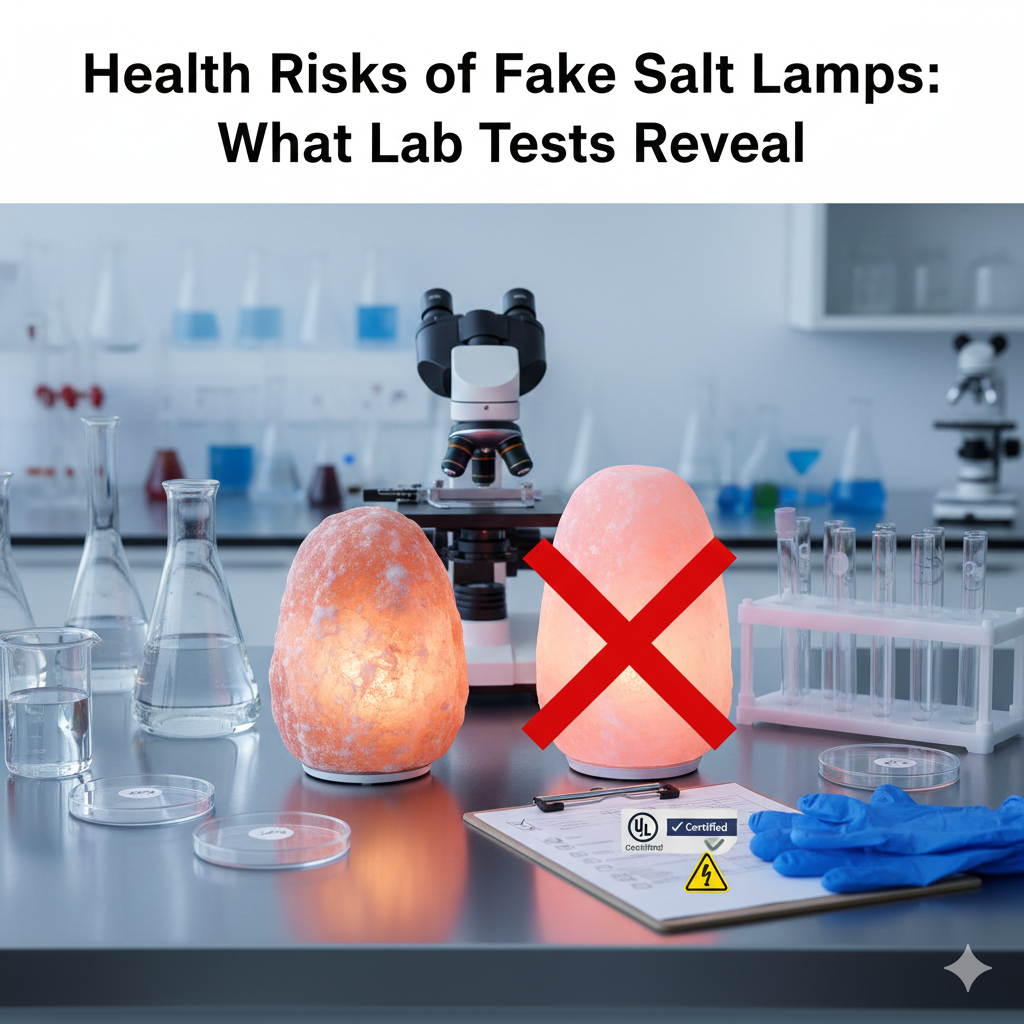
Fake salt lamps have grown popular for their warm glow and supposed health benefits, but not all are created equal. Fake Himalayan salt lamps—often made from low-quality or imitation salt—pose health and safety risks, from electrical hazards to salt toxicity in pets and children. Understanding the difference between authentic Khewra-origin lamps and counterfeit versions is essential before buying. This guide explores how to identify unsafe salt lamps, highlights potential dangers like faulty wiring or incorrect bulb wattage, and provides practical tips to ensure your lamp is safe, effective, and long-lasting in your home or office.
Health Risks of Fake Salt Lamps
Counterfeit or low-quality salt lamps can pose several health and safety risks. Poorly mined or synthetic salt may release excess dust or particles, which can irritate respiratory systems, trigger allergies, or worsen asthma symptoms. Faulty wiring or incorrect bulb wattage increases the risk of electric shocks or fire hazards. Pets and small children are especially vulnerable, as licking or chewing fake lamps can lead to salt toxicity. Even minor sweating from low-grade salt can damage furniture or surfaces. Choosing authentic Himalayan salt lamps from verified sources is crucial to minimize these risks and maintain a safe indoor environment.
Health Risks of Fake Salt Lamps: Ingestion Hazards, Fire Risks, Electrical Problems
Fake or low-quality Himalayan salt lamps can pose serious safety concerns. Pets or children may accidentally ingest salt from counterfeit lamps, leading to nausea, vomiting, or salt toxicity. Poorly manufactured lamps often have faulty wiring or substandard bulb fittings, increasing the risk of electrical shocks or fire hazards. Low-grade salt can also absorb moisture excessively, causing sweating that damages furniture or surfaces. Understanding these health risks is essential before purchasing a lamp. Always check for authentic Himalayan origin, certified electrical components, and trusted sellers to ensure both safety and a healthy indoor environment.
Electrical Hazards & Compliance
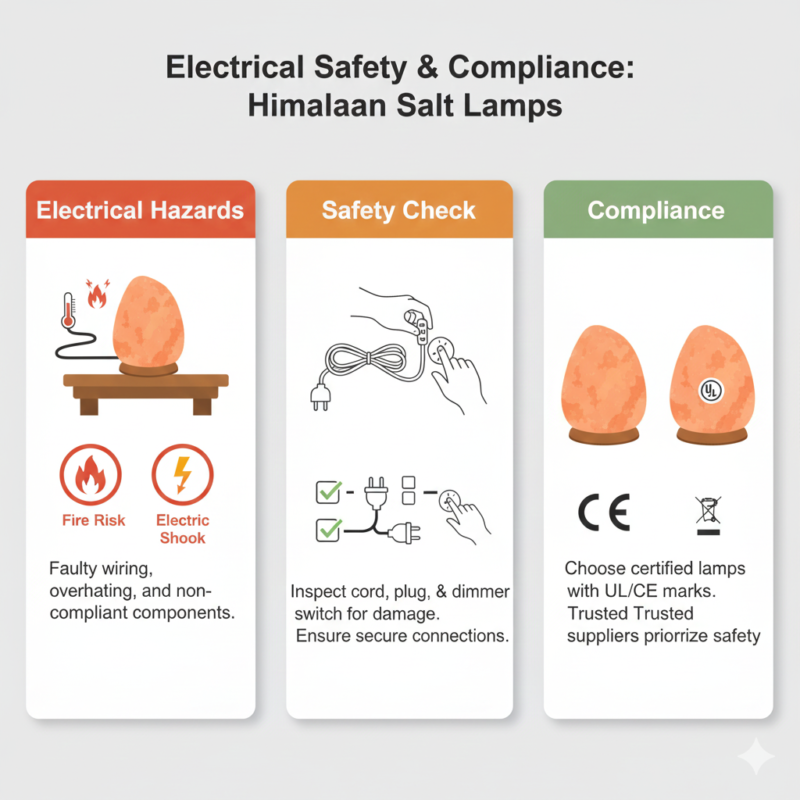
One of the main risks of fake or low-quality salt lamps is faulty electrical components. Poor wiring, incorrect bulb wattage, or substandard sockets can cause overheating, sparks, or even fire. Certified lamps with UL or CE marks ensure that electrical safety standards are met, reducing the likelihood of hazards. Always inspect the cord, plug, and dimmer switch before use, and avoid lamps that feel unusually hot after short use. Choosing lamps from trusted suppliers and following recommended bulb wattage guidelines helps maintain safety while enjoying the warm glow of your Himalayan salt lamp.
Pet & Child Safety
Fake salt lamps or poorly made salt lamps can pose serious risks to pets and children. Ingestion of salt can cause vomiting, diarrhea, or electrolyte imbalances in cats and dogs. For children, small chips or unstable lamps can lead to injury. To prevent accidents, place lamps on stable surfaces away from reach, ideally using non-slip mats or secured bases. Supervise pets in rooms with salt lamps, and avoid leaving exposed wires. Understanding salt toxicity symptoms and following secure placement tips ensures that your Himalayan salt lamp provides ambiance safely, without compromising the health of loved ones or pets.
Authenticity & Verification
When buying a Himalayan fake salt lamps, authenticity matters for both safety and quality. Genuine lamps come from the Khewra mines in Pakistan and feature a natural pink-to-orange hue with crystalline textures. Fake lamps may have artificial coloring, smooth surfaces, or unusually low prices. Always check the return policy and verify the seller’s credibility before purchase. Look for lamps with proper labeling or certifications, and avoid deals that seem “too good to be true.” Confirming origin and authenticity not only ensures a safer lamp but also guarantees the aesthetic and health-related benefits of a real Himalayan salt lamp.
Maintenance & Safe Usage
Proper maintenance is key to extending the life of your Himalayan salt lamp and preventing safety issues. Regularly clean the lamp with a soft, dry cloth to remove dust and moisture. Salt sweating occurs in humid environments, so place your lamp on a protective tray to avoid furniture damage. For lamps near damp areas, monitor for corrosion on the base or wiring, and avoid excessive water exposure. Always use the recommended bulb wattage and switch off when unattended. Following these steps ensures a clean, safe, and long-lasting lamp while maintaining its natural glow and aesthetic appeal.
Recalls, Repairs & Reporting
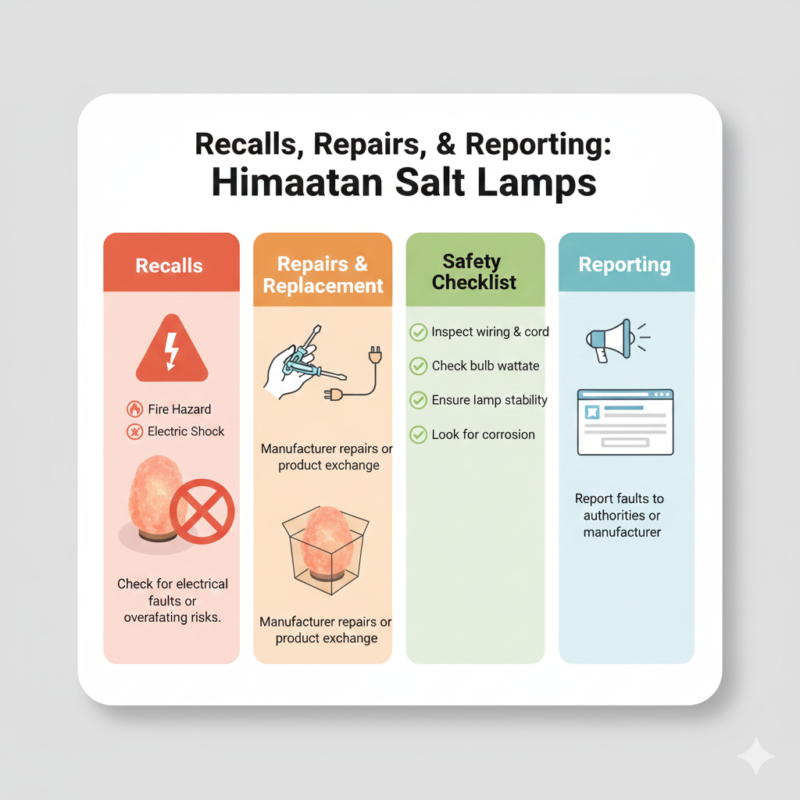
If your Himalayan salt lamp shows signs of electrical faults, overheating, or structural damage, it’s essential to act promptly. Check for any CPSC recalls or manufacturer alerts related to your lamp model, as these often highlight fire or safety risks. Many brands offer replacement or repair options for recalled or faulty lamps. Keep a safety checklist handy: verify wiring, bulb wattage, and base stability before using the lamp again. Reporting issues to regulatory bodies or the manufacturer ensures others remain safe. Prompt action helps prevent hazards while maintaining the lamp’s aesthetic and functional value.
Recalls, Repairs & Reporting
Himalayan salt lamps, especially fake salt lamps or low-quality ones, can pose risks like electrical faults or overheating. Always check for CPSC alerts and manufacturer recall notices for your lamp’s model, which often detail potential fire hazards or wiring issues. If your lamp is affected, explore replacement or repair options offered by the brand. Maintain a safety checklist: inspect wiring, bulb wattage, lamp stability, and signs of corrosion before use. Reporting faults to authorities or manufacturers not only protects your household but helps prevent injuries for others. Staying proactive ensures your salt lamp remains both safe and functional.
Alternatives & Recommendations
For those concerned about fake salt lamps or unsafe salt lamps, consider certified lamps with UL or CE markings to ensure proper electrical standards. Safe substitutes include LED Himalayan-style lamps, ceramic salt lamps, or HEPA/ionic air purifiers that mimic some air quality benefits without the hazards. Combining a genuine salt lamp with a HEPA filter or ionizer can provide ambient lighting, potential psychological calm, and cleaner air together. Always verify the lamp’s origin and authenticity while following maintenance guidelines. These alternative strategies allow you to enjoy the aesthetic and relaxing ambiance safely while minimizing health and electrical risks.
Conclusion
Salt lamps can be a beautiful and calming addition to your home, but safety should always come first. Using authentic Khewra-origin lamps, following proper electrical guidelines, and placing them securely away from children and pets greatly reduces risks. Regular cleaning, managing sweating, and monitoring for corrosion helps maintain lamp integrity. Always check for recalls and trusted certifications like UL or CE. By understanding the health risks of fake lamps and practicing safe maintenance, you can enjoy the aesthetic and subtle calming effects without compromising safety. Mindful use ensures both beauty and peace of mind.
FAQ
Q1: Are salt lamps safe for pets and children?
A: Only genuine lamps are safe; avoid letting pets ingest salt flakes. Place lamps out of reach.
Q2: How can I identify a fake salt lamp?
A: Check for Khewra origin, authentic color, UL/CE markings, and a reliable return policy.
Q3: What electrical precautions should I take?
A: Use correct bulb wattage, inspect wiring, and avoid dimmer switches not rated for the lamp.
Q4: How should I clean my lamp?
A: Wipe with a dry cloth, avoid excessive moisture, and use a tray to catch sweat.
Q5: What if my lamp is recalled?
A: Follow CPSC guidance for repair, replacement, or reporting hazards.
Q6: Can salt lamps improve air quality?
A: Only minor psychological benefits are documented; don’t rely on them for true purification.

One thought on “ Fake salt lamps and how to identify unsafe ones”