


Blog
5 Mini Himalayan Salt Lamps: Warm Glow & Practical Uses

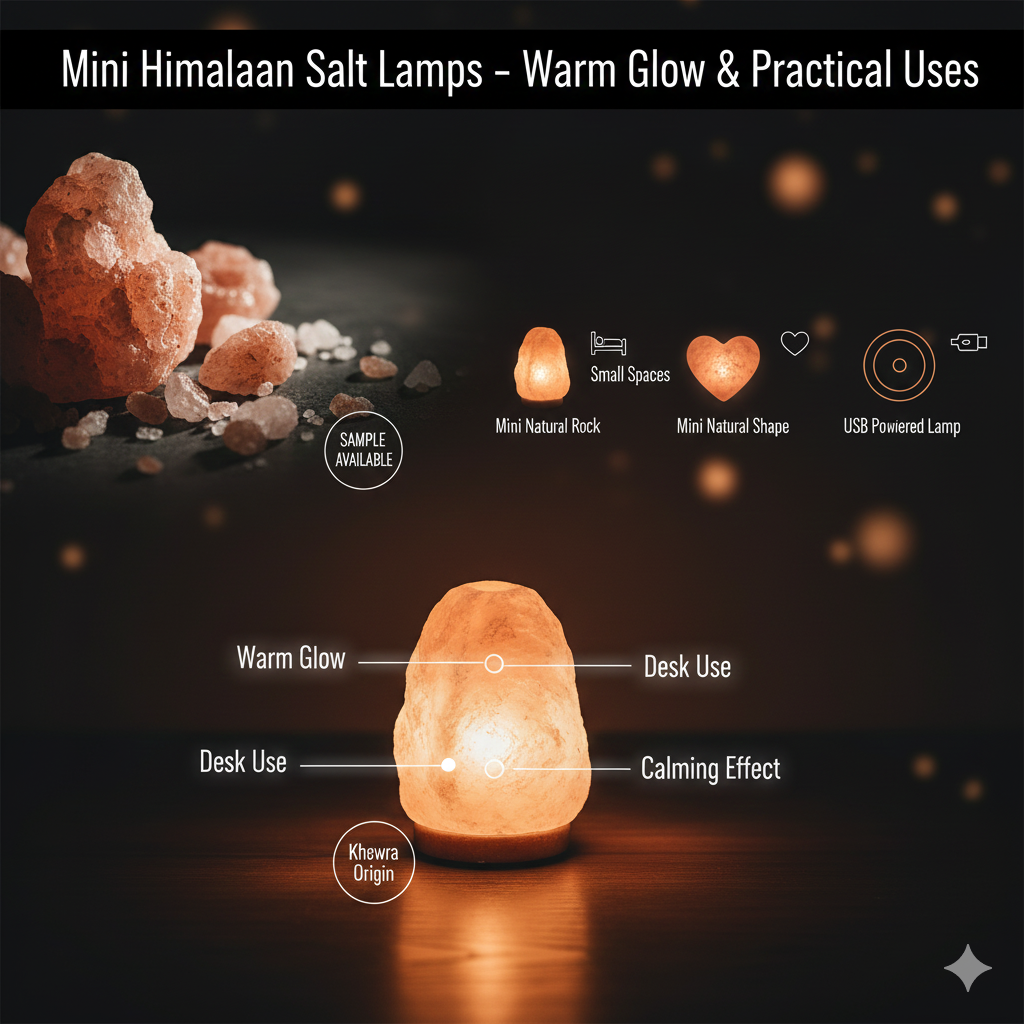
Himalayan salt lamp comes in many forms, and each product offers its own purpose in the kitchen, home décor, wellness, and even wholesale markets. From edible pink salt and cooking blocks to salt lamps, bath salts, and salt bricks, every type is valued for its natural look, mineral-rich composition, and practical everyday uses. Whether someone wants healthier cooking options, warm ambient lighting, or spa-style relaxation at home, these products offer reliable choices. For retailers, Himalayan salt products also provide strong demand and easy-to-sell SKUs, making them a smart addition to any catalog.
What is Himalayan rock salt?
Himalayan rock salt comes from the Khewra Salt Mine in Pakistan, known worldwide for its natural pink crystals and stable mineral profile. This salt forms deep inside ancient mountain deposits, giving it its well-known color and texture. It contains trace minerals like magnesium, calcium, and iron, which shape its taste and appearance. Because it is extracted in solid rock layers, its purity stays consistent and easy to verify through basic lab reports. Whether used for edible salt, lamps, slabs, or bath products, genuine Khewra Himalayan salt lamp remains one of the most trusted natural salt sources in the global market.
Product catalog: edible salts & culinary uses
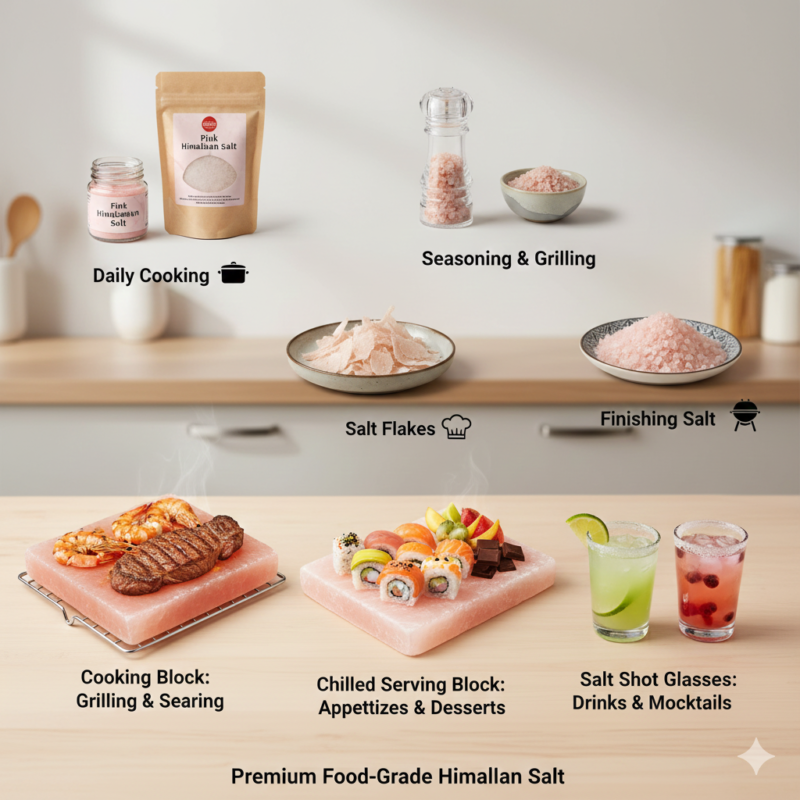
Himalayan edible salt comes in several forms, including fine, coarse, and flakes—each suited for different kitchen needs. Fine salt works well for daily cooking, while coarse grains add texture to grilling and seasoning blends. Cooking blocks made from natural Himalayan salt can be heated for searing meat, fish, or vegetables, and cooled for serving sushi, fruit, or desserts. Popular recipe uses include grilled prawns, steak sear, and chilled chocolate treats. Salt shot glasses and servingware offer a fun way to present drinks or appetizers, adding a light mineral touch while creating a unique dining experience.
Wellness products & spa uses
Himalayan bath salts are widely used in home and professional spa routines for soaking, foot baths, and gentle exfoliation. Their mineral-rich profile helps create a calming experience, especially when paired with warm water. Foot detox pads made with pink salt are often used at night to support relaxation, while neti pots rely on finely ground Himalayan salt lamp for nasal cleansing. For safe use, always dissolve bath salts fully, avoid overly hot water, and follow proper hygiene when using neti pots. These wellness products offer simple, practical ways to add comfort and balance to daily routines.
Salt lamps & ambient décor
Himalayan salt lamps come in several styles, including natural hand-carved pieces, crafted shapes like cubes or pyramids, USB mini lamps for desks, and metal basket lamps filled with salt chunks. Each type offers a warm, soft glow that adds comfort to bedrooms, offices, and wellness spaces. While many people enjoy them for their calming ambiance, it’s helpful to keep expectations realistic—salt lamps can support a relaxing atmosphere, but they are not medical devices. For décor or retail use, choosing the right size and design helps create a pleasant mood and matches different interior themes.
Salt bricks, tiles & interior uses
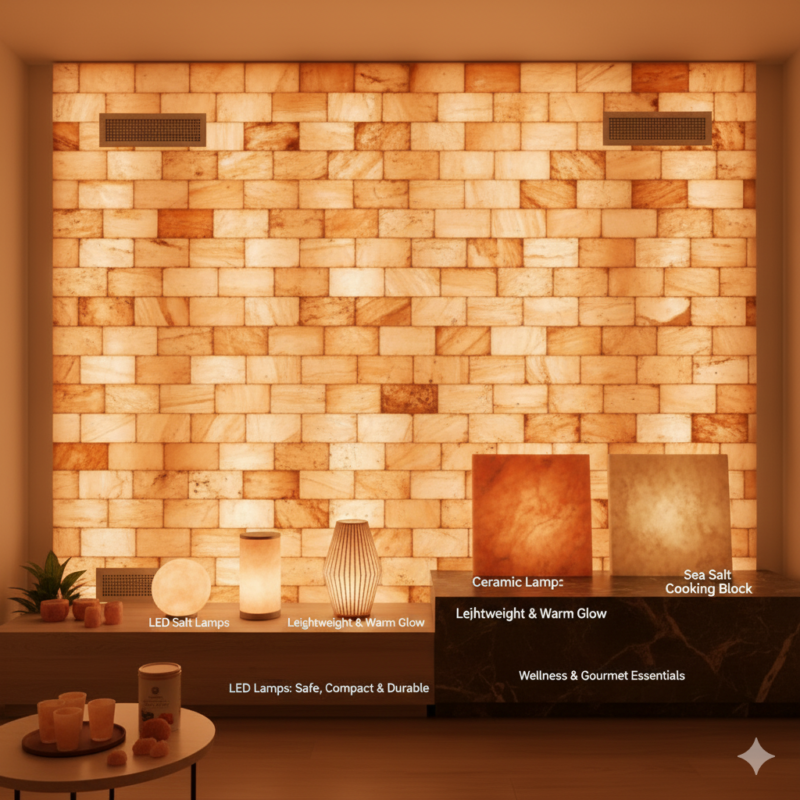
Himalayan salt bricks and tiles are widely used in home wellness rooms, spas, and commercial salt walls because they create a warm visual effect and a calm atmosphere. These blocks are usually installed with food-grade adhesive and low-heat LED panels to keep the structure stable. Since salt is naturally sensitive to moisture, it’s important to maintain controlled humidity and proper ventilation to prevent sweating or surface softening. Whether used for full salt rooms, meditation corners, or decorative panels, choosing consistent color grades and correct thickness ensures a long-lasting and visually balanced installation.
Buying guide: food-grade vs non-food, certifications, and care instructions
When selecting Himalayan salt products, understanding the difference between food-grade and non-food items is crucial. Food-grade salts are safe for cooking, eating, and serving, while non-food products like salt lamps or bath salts should never be ingested. Always check for certifications such as ISO, HACCP, or lab-tested mineral reports to ensure authenticity and safety. Proper care also extends product life: store edible salts in dry containers, wipe salt bricks with a dry cloth, and avoid exposing lamps to excessive moisture. Following these guidelines helps maintain quality, safety, and the natural benefits of each Himalayan salt product.
Alternatives & Combinations — LED Lamps, Ceramic, Sea Salt Blocks
While traditional Himalayan salt lamps and blocks are popular, alternatives like LED salt lamps and ceramic designs offer practical benefits. LED lamps reduce heat, last longer, and are safer for homes with children or pets. Ceramic lamps mimic the glow and décor appeal while being lightweight and durable. Sea salt blocks can be used alongside Himalayan cooking slabs for culinary variety or combined in spa settings. Retailers and enthusiasts often mix these products to create diverse décor and wellness offerings. Understanding these alternatives allows buyers to expand choices while maintaining aesthetic and functional appeal.
Conclusion
Pakistani Himalayan salt products combine quality, wellness, and décor versatility. Buyers should verify authenticity, consider lamp types and alternatives, and explore wholesale options. Download the full product catalog or request a sample today to experience genuine Khewra salt for your business or home.
FAQ
Q1: Is Himalayan salt safe for cooking and consumption?
A1: Yes, choose food-grade Khewra salt, check packaging and lab certifications, and avoid decorative-only products.
Q2: How should I maintain salt lamps?
A2: Use recommended bulb wattage, wipe with a dry cloth, prevent moisture exposure, and inspect wiring regularly.
Q3: What are key tips for salt brick or tile installation?
A3: Ensure a dry surface, control humidity, use non-corrosive adhesives, and leave slight gaps for expansion.
Q4: How do wholesale orders work?
A4: Verify supplier, check MOQ, request samples, and confirm packaging and export readiness.

One thought on “5 Mini Himalayan Salt Lamps: Warm Glow & Practical Uses”