


Blog
Himalayan Salt Lamp Benefits: Fact vs Myth (Scientific Breakdown)

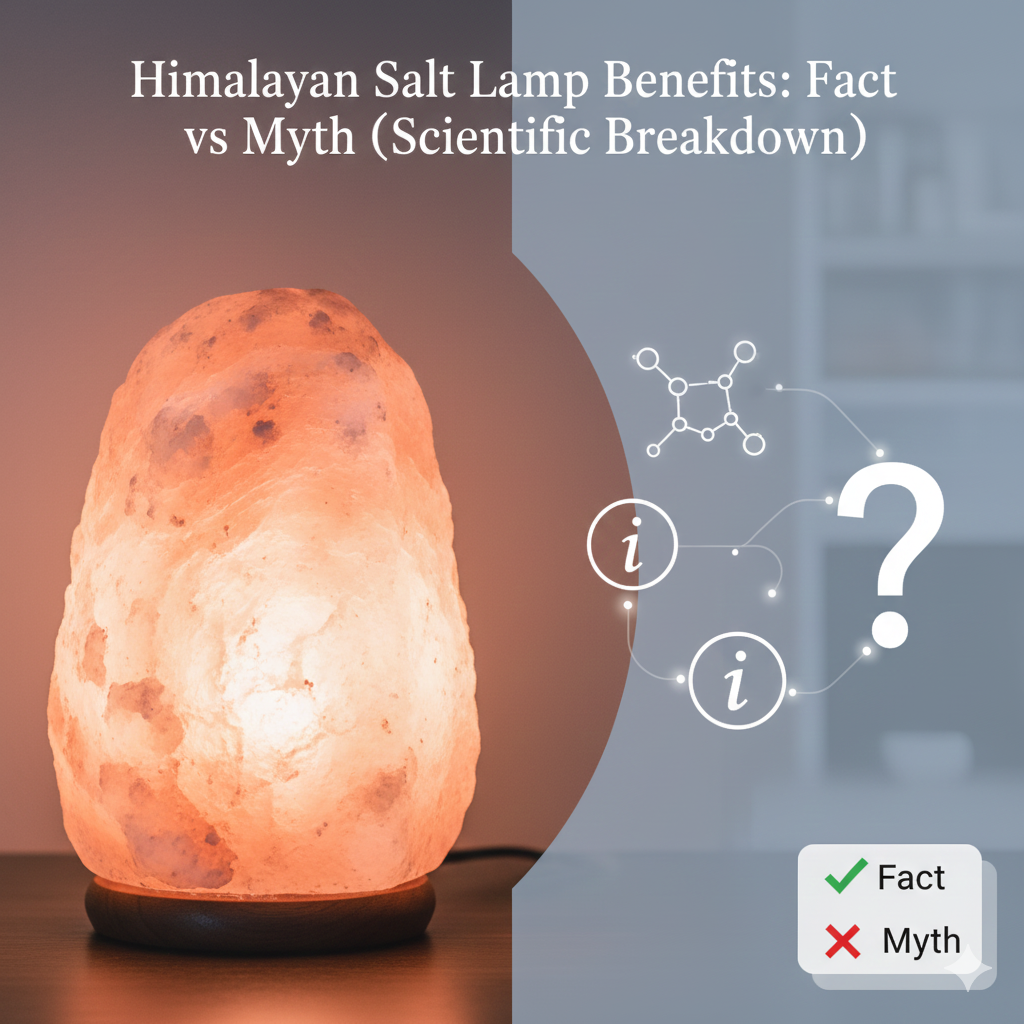
salt lamps have grown in popularity as decorative lights with claims of boosting air quality, improving mood, and supporting better sleep. Sourced from the Khewra salt mines in Pakistan, these lamps are carved from natural pink salt crystals and fitted with a small bulb that emits a warm, soothing glow. While many people swear by their wellness benefits, scientific studies suggest that soHimalayan me claims—like dramatic air purification or high-level negative ion generation—are overstated. In this guide, we’ll explore what Himalayan salt lamps can actually do, separate fact from myth, and provide evidence-based insights for your home use.
Introduction
Himalayan salt lamps are decorative lights made from natural pink salt crystals mined from the Khewra mines in Pakistan. Each lamp typically contains a small bulb inside the salt block, which emits a warm, soft glow that adds a cozy and calming touch to any room. These lamps have gained popularity not only for their unique aesthetic but also for the wellness claims associated with them. Many users believe Himalayan salt lamps can improve air quality, reduce allergens, enhance mood, and support better sleep. While some of these benefits are based on anecdotal experiences, research highlights which claims have scientific backing and which are largely myths. This guide explores the real effects of Himalayan salt lamps, helping you understand their uses, limitations, and how to enjoy them safely in your home.
What Are Himalayan Salt Lamps?
Himalayan salt lamps are crafted from natural pink salt crystals sourced from the Khewra mines in Pakistan, one of the world’s oldest and largest salt deposits. The salt’s natural pink to reddish hue comes from trace minerals, giving each lamp a unique color and texture. These lamps are available in various types and sizes, from small tabletop blocks to larger decorative pieces and clustered baskets. Whether carved into pyramids, spheres, or hearts, each lamp contains a bulb that emits a gentle glow. Beyond aesthetics, their size and shape can influence how much light and claimed wellness effect they provide in a room.
Benefits & Health Claims
Himalayan salt lamps are often promoted for air purification, mood enhancement, and better sleep. Some users believe the warm glow helps reduce stress and creates a relaxing environment, supporting mental well-being. However, scientific studies show that the lamps emit very few negative ions, far below levels required to significantly clean air or affect respiratory health. While research does not fully confirm purification claims, the gentle light and natural aesthetic can positively influence mood and promote a calming bedtime routine. Overall, these lamps may provide subtle psychological benefits, even if many health claims remain unproven.
Myths & Misconceptions
Many claims about Himalayan salt lamps are exaggerated or misunderstood. One common myth is that they neutralize EMF radiation, but scientific evidence shows their effect on electromagnetic fields is negligible. Another misconception is that they generate therapeutic amounts of negative ions; in reality, the ion output is extremely low and cannot match that of commercial ionizers. Claims of dramatic air cleaning are also overstated—while the lamp may slightly attract surface moisture, it does not purify the air effectively. Understanding these myths helps users enjoy the aesthetic and relaxing benefits without expecting unproven health effects.
Scientific Evidence & Analysis
When you look at the science, Himalayan salt lamps fall short of clinical treatments like halotherapy, where real salt particles are inhaled at therapeutic doses. Published studies show that salt lamps generate only trace amounts of negative ions—nowhere near the levels produced in salt caves or ion generators. While there is limited physiological benefit, the psychological effects are more compelling: the warm amber glow can reduce stress, improve mood, and support better sleep patterns. In short, their value lies more in ambiance than in true air‑cleaning power.
Buying Guide & Maintenance
When buying a Himalayan salt lamp, authenticity matters. Look for lamps sourced from Khewra mines, with natural pink-orange hues and sturdy wooden or metal bases. Avoid overly cheap options or non-returnable products. Prices vary with size, with small lamps around $15–30 and larger ones above $50. For maintenance, wipe the lamp with a dry cloth to remove dust and moisture, and monitor for sweating in humid environments. Use the recommended bulb wattage to ensure proper glow, and place lamps in dry areas for maximum lifespan and aesthetic effect. Proper care keeps them safe and visually appealing.
Alternatives & Combination Strategies
While Himalayan salt lamps are popular for ambiance and mild air-quality claims, evidence shows HEPA filters and air ionizers are far more effective for removing dust, allergens, and pollutants. You can use salt lamps alongside these devices to enjoy both aesthetic warmth and cleaner air. For example, place a small salt lamp on your desk or bedside while running a HEPA purifier in the same room. Combining these strategies ensures you get real air purification benefits from technology while keeping the cozy glow and relaxing atmosphere that Himalayan salt lamps provide.
Conclusion
Himalayan salt lamps remain a popular choice for their warm, calming glow and decorative appeal. While many claims—like air purification, EMF neutralization, or dramatic ion generation—are largely unproven, users often enjoy their psychological benefits, such as improved mood, relaxation, and a cozy ambiance. Choosing the right size, verifying authenticity, and following basic maintenance tips—like proper placement, cleaning, and bulb usage—ensures safety and longevity. For those seeking genuine air quality improvements, combining lamps with HEPA filters or ionizers is recommended. In the end, enjoy your lamp for its aesthetic and soothing qualities, while keeping expectations realistic.
FAQ :
Here are some frequently asked questions about Himalayan salt lamps, designed for easy schema integration:
- What is a Himalayan salt lamp?
A lamp made from natural pink salt crystals, usually from Khewra mines, often with a small light bulb inside. - Do Himalayan salt lamps purify the air?
Scientific evidence shows only minimal ion output; they are more decorative than true purifiers. - Can salt lamps improve sleep or mood?
The warm glow can support relaxation, but physiological effects are limited. - How do I clean my lamp?
Wipe with a dry cloth; avoid water to prevent sweating. - Are salt lamps safe for children and pets?
Yes, if placed out of reach and used with proper bulbs. - How do I spot a real lamp?
Check origin, weight, color, and return policy. - What sizes are suitable for my room?
Micro to jumbo sizes correspond to small bedrooms up to large living spaces. - Can I combine salt lamps with air purifiers?
Yes, using HEPA filters or ionizers enhances real air cleaning while enjoying lamp ambiance.
