


Blog
Why Pakistan Produces the World’s Best Salt Lamps — Quality & Craft

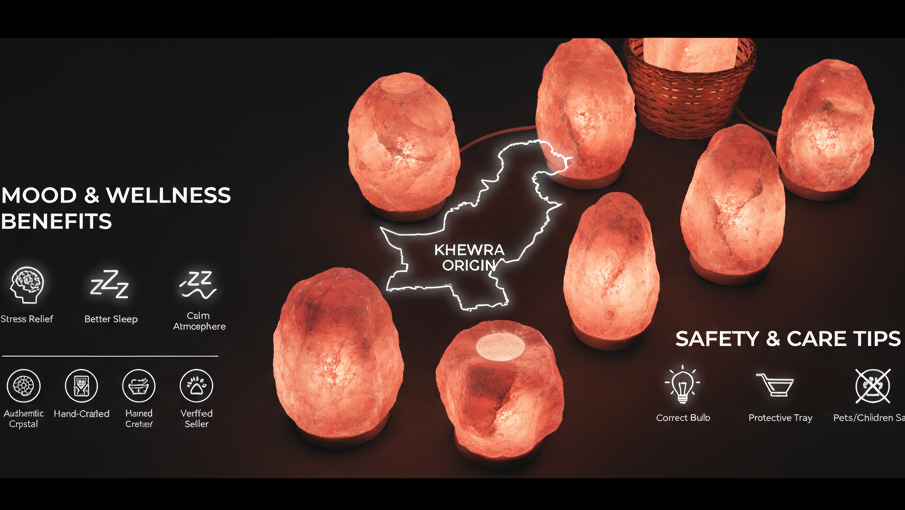
Pakistani World’s Best Salt Lamps are renowned worldwide for their natural pink glow, unique mineral composition, and craftsmanship. Sourced mainly from the Khewra salt mines—the second largest in the world—these lamps are valued for both décor and well-being benefits, including mood enhancement and a calming ambiance. Their global reputation stems from their authenticity, natural purity, and distinctive shapes, from cubes to pyramids. With the rising popularity of Himalayan salt lamps, ensuring authenticity has become crucial to avoid fakes or low-quality imports. This guide will explore why Pakistan produces the world’s best salt lamps and how to choose genuine, high-quality pieces.
Origin & Authenticity
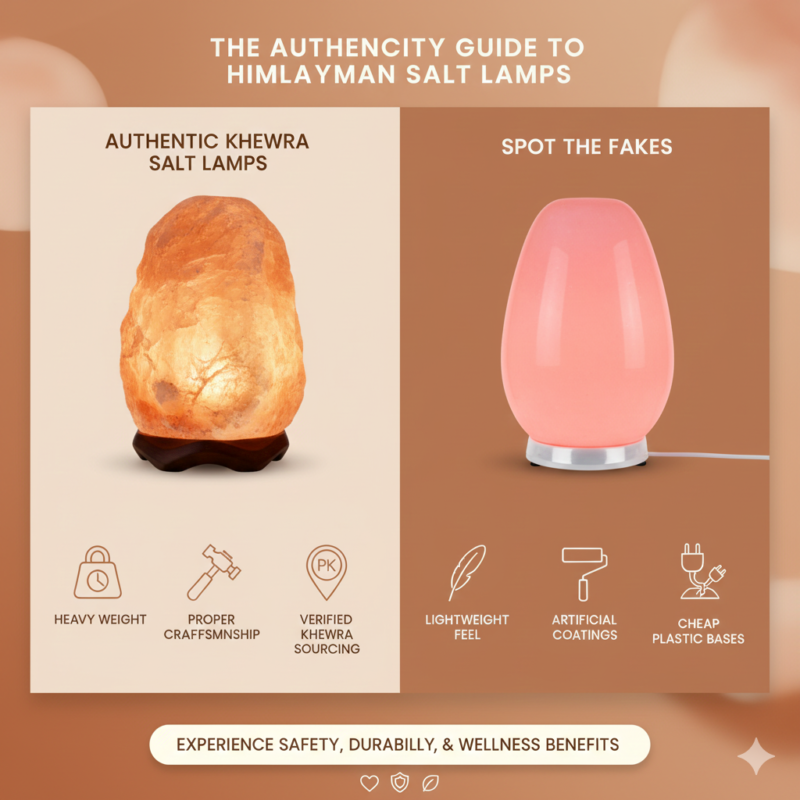
The authenticity of a World’s Best Salt Lamps begins with its origin. Pakistan’s Khewra salt mines are the primary source of high-quality Himalayan salt, known for its rich pink hue and natural mineral composition, including sodium chloride, iron, and trace elements. Genuine lamps display subtle color variations, natural striations, and a solid, heavy feel. Spotting fakes involves checking for uniform color, artificial coatings, or cheap plastic bases, which often indicate low-quality imports. Quality checks should include examining the mineral texture, verifying Khewra sourcing, and ensuring proper craftsmanship. Choosing authentic Pakistani salt lamps guarantees safety, durability, and the full aesthetic and wellness benefits.
Health & Ambiance Benefits
Himalayan salt lamps are popular for creating a calming ambiance that may help reduce stress, enhance mood, and support better sleep. Their warm, soft glow can encourage relaxation and emotional balance, making bedrooms or workspaces feel more peaceful. Some enthusiasts highlight negative ion claims, suggesting improved air quality, but scientific evidence remains limited, so expectations should remain realistic. While they are not a medical device, using authentic Pakistani salt lamps alongside healthy routines—like proper sleep hygiene and mindfulness—can contribute to a soothing environment. Overall, their main value lies in ambiance, stress relief, and gentle mood enhancement.
Lamp Types & Designs
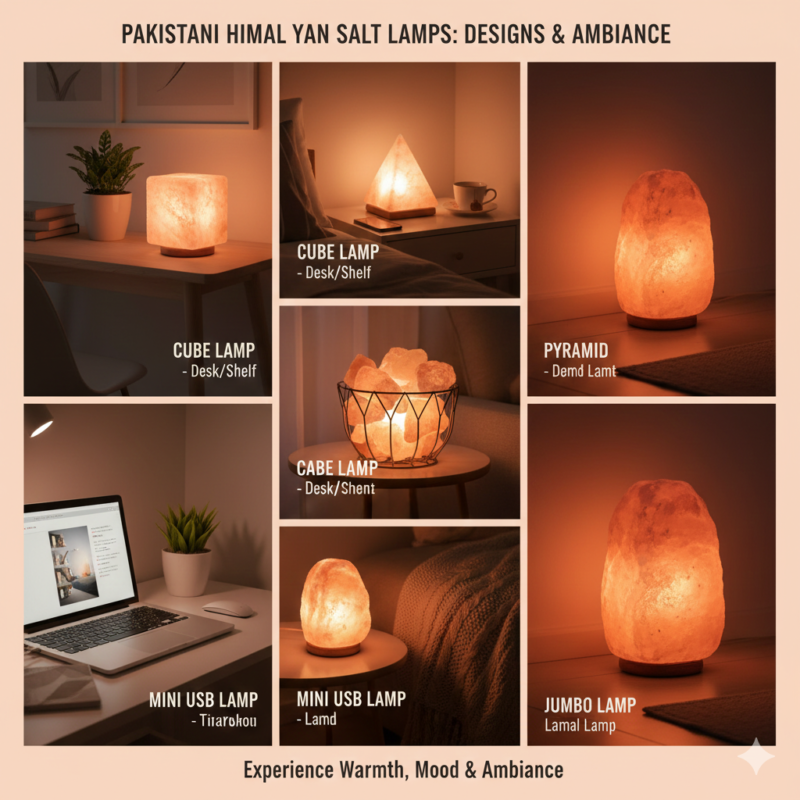
Pakistani Himalayan salt lamps come in various shapes and sizes, from cube and pyramid designs to basket-style lamps and USB-powered mini versions. Each type offers a distinct visual appeal and lighting effect: cubes provide a modern geometric touch, pyramids add elegance, and baskets showcase natural salt textures. Mini lamps suit desks or nightstands, while jumbo lamps become statement pieces in living rooms or offices. Placement also affects ambiance—bedrooms benefit from softer, calming light, whereas workspaces gain subtle decorative warmth. Choosing the right design and size ensures both aesthetic appeal and functional mood-enhancing benefits in any room.
Market & Price Analysis
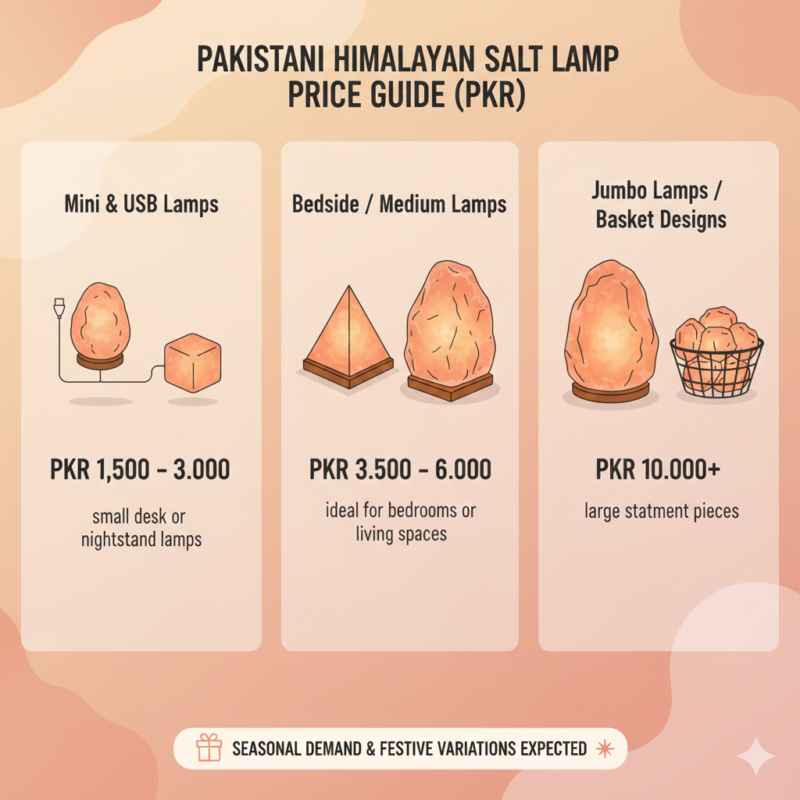
Himalayan salt lamps from Pakistan vary widely in price depending on size, shape, and authenticity. Mini and USB lamps typically range from PKR 1,500–3,000, while bedside or medium-sized pyramid and cube lamps cost around PKR 3,500–6,000. Jumbo lamps or intricate basket designs can reach PKR 10,000 or more. Seasonal demand, especially during winters or festive periods, often causes slight price fluctuations. Top sellers consistently include mid-sized cubes and bedside pyramids due to their balance of aesthetics, ambiance, and affordability. Understanding these price ranges helps buyers select authentic lamps that suit both budget and décor needs.
Buying Platforms
In Pakistan, Himalayan salt lamps are available through Daraz, OLX, and local markets in cities like Karachi, Lahore, and Islamabad. Daraz offers convenience, verified sellers, and delivery options, though prices may be slightly higher. OLX allows second-hand purchases but requires careful authenticity checks, including inspecting the Khewra origin and wiring quality. Local markets provide hands-on selection, letting buyers verify lamp size, color, and craftsmanship directly, often at competitive prices. Regardless of platform, always check for authentic mineral composition, sturdy wooden bases, and proper bulb wattage. Choosing the right platform balances convenience, safety, and budget while ensuring genuine Pakistani salt lamps.
Maintenance & Safety
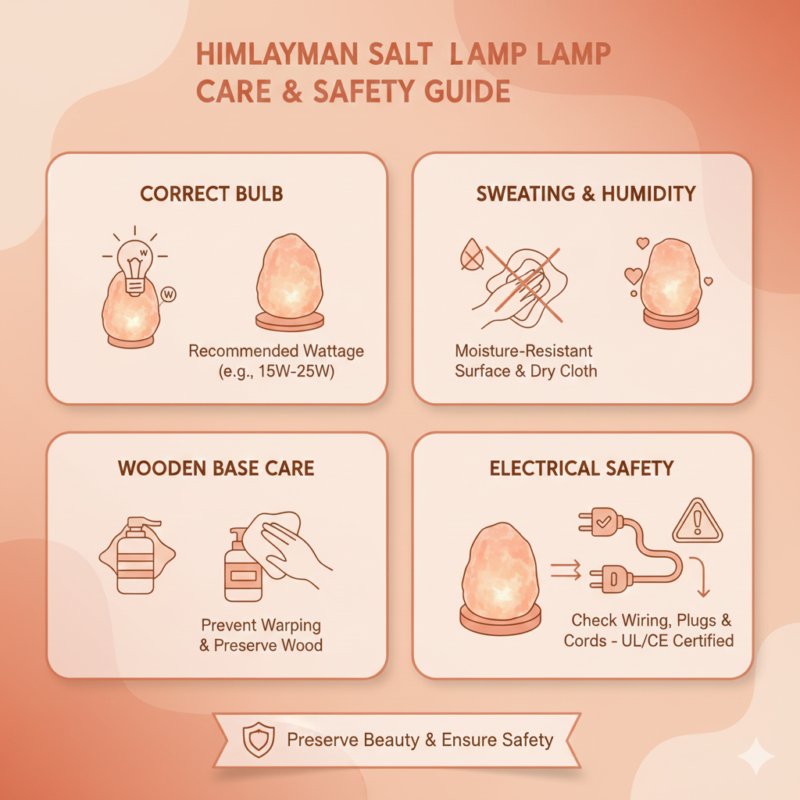
To keep your Himalayan salt lamp safe and long-lasting, start by using the correct bulb wattage recommended for its size. Salt lamps can “sweat” in humid areas, so place them on moisture-resistant surfaces and wipe regularly with a dry cloth. Wooden bases need occasional polishing to prevent warping or damage from moisture. Avoid exposing the lamp to water or cleaning solutions that can cause corrosion. Inspect wiring for frays or loose connections and ensure the plug and cord meet safety standards. Regular maintenance not only preserves the lamp’s ambiance and glow but also prevents fire hazards and electrical issues.
Alternatives & Recommendations
If traditional Himalayan salt lamps aren’t feasible, LED or ceramic salt lamps offer safe and energy-efficient alternatives while still providing a warm, calming glow. LED salt lamps mimic the amber ambiance without the risks of sweating or electrical hazards, making them ideal for bedrooms, offices, or study areas. Ceramic lamps are durable, easy to clean, and maintain the aesthetic appeal of natural salt. For enhanced benefits, combine these lamps with other ambient or wellness strategies, such as HEPA air purifiers, soft lighting setups, or mindful meditation spaces. This approach ensures a balanced atmosphere for mood, relaxation, and décor without compromise.
Conclusion
Pakistan’s Himalayan salt lamps are globally renowned for their authentic Khewra origin, unique pink-orange mineral composition, and superior craftsmanship. These lamps not only add warm, ambient lighting to any space but also offer realistic benefits for mood, stress relief, and sleep support. When buying, it’s essential to check authenticity by verifying mineral patterns, weight, and seller credibility. Whether purchasing from Daraz, OLX, or local stores in Karachi, Lahore, or Islamabad, following safety tips—like correct bulb wattage, secure placement, and proper maintenance—ensures long-lasting use. Choosing genuine lamps guarantees both décor value and peace of mind.
Q1: How can I verify the Khewra origin of a salt lamp?
A: Check the label or certificate of authenticity, look for natural pink-orange hues, and inspect for mineral layers typical of Khewra salt. Genuine lamps have a subtle crystalline texture and solid weight.
Q2: What is the typical price range for micro, bedside, and jumbo lamps?
A: Micro lamps (1–2 kg) cost around PKR 1,500–2,500, bedside lamps (3–4 kg) PKR 3,000–5,000, and jumbo lamps (6–10 kg) PKR 6,000–12,000, depending on shape and seller.
Q3: Are Himalayan salt lamps safe around pets and children?
A: Yes, if placed out of reach. Avoid licking or ingesting the salt, and secure lamps on stable surfaces to prevent tipping.
Q4: How do I spot fake or low-quality salt lamps?
A: Look for overly bright orange color, light plastic feel, uneven weight, or lamps sold significantly cheaper than market rates. Authentic lamps are dense, slightly translucent, and naturally textured.
Q5: What bulb wattage is recommended for safe use?
A: Typically 15–25 watt bulbs are recommended. Using higher wattage can cause overheating and excessive sweating of the salt.
Q6: How should I clean and maintain a wooden-base lamp?
A: Wipe gently with a dry cloth to remove dust. Avoid water on the salt or base. Regularly check for corrosion or moisture accumulation to extend lamp life.
Q7: Can LED alternatives provide similar ambiance benefits?
A: Yes, LED salt lamps mimic the warm glow and ambiance, but they do not emit moisture or negative ions like real Himalayan salt lamps.

One thought on “ Why Pakistan Produces the World’s Best Salt Lamps — Quality & Craft”