Blog

  • The Salt Lamp Size Guide: How Big of a Lamp Do You Actually Need?

    The Salt Lamp Size Guide: How Big of a Lamp Do You Actually Need?

    ou found the perfect pink lamp. Now comes the hard part. How big should it be? A tiny lamp in a huge living room won’t do much. A massive lamp next to your bed might be too much. It’s not about making a huge change to the air. It’s about getting the right glow for your space. I’ll show you how to match the rock size to your room size easily.

    Does the Size of the Lamp Really Matter?

    Yes, the size of your salt lamp matters, but mostly for its light output and visual impact in a room. A larger lamp casts a wider, deeper amber glow, making it a better light source for a big area, whereas a small lamp is best for creating a cozy, dim spot near your desk. Size dictates the ambiance and feeling it creates in the room.

    The Ambiance Factor

    A small lamp gives a very tiny pool of light. It’s fine for a desk corner. But if you put it in a big hallway, it just disappears. It won’t help set a calm mood for the whole room.

    A bigger lamp gives a stronger, warmer wash of light. This light can reflect off walls. The larger the lamp, the larger the visual comfort zone it creates.

    Forget the “Ion Coverage”

    Some sellers give coverage numbers. They say a 10-pound lamp covers 100 square feet. This is usually based on those old ion claims.

    We know the air-cleaning effect is tiny. So, ignore those coverage numbers. Focus only on the light and the look.

    Matching Lamp Weight to Room Size

    Let’s keep this simple. We’ll use the weight of the lamp.

    Room TypeEstimated Weight (Lbs)Visual Effect
    Desk/Small Bathroom2–5 LbsLocalized glow; accent light only
    Small Bedroom (10×12 ft)6–8 LbsSoft bedside light; nice warm glow
    Medium Living Room (15×15 ft)9–12 LbsStronger ambiance; centerpiece glow
    Large Open Space (20×20 ft)15+ LbsDeep, whole-room coloring; high impact

    Best Placement for Maximum Glow

    It’s not just the size. Where you put it changes everything.

    For Sleep and Calm

    Put the lamp near your bed. This is the spot where you see it last. It serves as your final, warm light source before you close your eyes.

    Don’t hide it behind a curtain. Don’t put it way across the room. Place it on the surface closest to your head.

    For a Warm Entryway

    If you put a lamp near your front door, make it big. It should be a statement piece. It gives a nice, warm welcome home.

    It sets a calm tone the moment you walk in. The lamp should be easy to see.

    Avoid These Spots

    Never place the lamp on an expensive piece of wood without protection. Remember, they sweat. The salty water will ruin the finish. Always use a coaster or a mat.

    Also, keep it out of high-traffic areas. They are heavy. They are fragile. They can hurt a toe if you knock them over.

    Final Thoughts: Buy for the Look

    Don’t stress over the numbers. Just look at the room. If the lamp looks tiny, it is too small.

    A salt lamp is home décor. It’s a tool for relaxation. Pick the size that looks right to your eye. If you want a whole room to feel cozy, buy a big one. If you just want a little light, buy a small one. Simple as that.

  • How to Stop Your Himalayan Salt Lamp from Melting (Weeping).

    How to Stop Your Himalayan Salt Lamp from Melting (Weeping).

    You come home and see it. Your pink salt lamp has a puddle around the bottom. It looks like it’s weeping, or melting. You get scared. Is it a fake? Did you ruin it? No. This is normal. It means your lamp is real. It’s just too wet. It’s an easy fix. I will tell you exactly how to stop the “crying” and save your furniture.

    Why is My Lamp “Crying” or “Sweating”?

    Your lamp is weeping because real salt naturally pulls water out of the air. This process is called hygroscopy. When the air is very humid—like after a long rain—the salt pulls in too much water, and that water turns into salty drips on the surface. This is actually a good sign that you bought an authentic lamp.

    The Sponge Effect

    Think of your salt lamp as a sponge. When your room is very wet (high humidity), the sponge quickly soaks up that moisture. If the sponge gets too full, the water drips out. That’s the salty water you see on your nightstand.

    This happens most in:

    • Summer months.
    • Rooms with steam (like near a bathroom or kitchen).
    • During very long rain spells.

    The Simple Cure: Turn It ON!

    This is the fastest and best solution. You need to dry out the sponge.

    Use the Bulb’s Heat

    The light bulb inside the lamp does two jobs. It gives the warm glow. More importantly, it gives off heat.

    That heat is essential. It warms the salt. The warmth makes the water on the surface evaporate. It pushes the moisture back into the air before it can drip. Your lamp needs to be warm to stay dry.

    Data Suggestion: PRACTICAL TIP. Provide a clear time frame. Example: “If your lamp is weeping, leave it on for 24 hours straight. The constant heat will dry the surface completely.”

    The rule is simple: The longer it is on, the dryer it stays.

    What to Do When You Go Away (Vacation Strategy)

    If you turn the lamp off for a few days, it starts soaking up water without a way to dry itself. This is when the worst weeping happens.

    The Bag Trick

    If you are leaving for a vacation (or even a weekend), you have to cut off its air supply.

    1. Turn it OFF. (The heat can be a fire risk if left unattended for many days).
    2. Unplug it.
    3. Wrap it tight. Use a plastic bag, like a big zip-lock bag. Seal it completely.

    This keeps the humid air away from the salt. It can’t pull water if the water can’t reach it. This is the only way to store it safely.

    Quick Fixes for a Wet Lamp

    If you find a puddle, don’t panic. Fix it quickly to save your furniture.

    Step 1: Wipe the Mess

    Unplug the lamp first. Wipe the wood base and the surface under the lamp with a dry cloth. You must remove the salty water. If you leave it, it will ruin wood or metal.

    Step 2: Heat Up the Lamp

    Use a low-heat hair dryer. Aim it at the lamp surface for 5-10 minutes. This will quickly dry the outside surface. Make sure the lamp is unplugged when you do this.

    Step 3: Keep it Running

    Plug it back in and keep it running for the next few days. This prevents the moisture from settling again.

    Final Thoughts: It’s a Good Sign

    Don’t be mad at your lamp for crying. It’s just doing its job. It’s proof that your expensive pink crystal is real rock salt.

    The key to a happy, dry lamp is heat. Keep the heat on. If you leave, put it in a bag. Simple care means you can enjoy that beautiful, warm glow for years.

  • How to Spot a Fake Himalayan Salt Lamp: 5 Ways I Check Mine

    How to Spot a Fake Himalayan Salt Lamp: 5 Ways I Check Mine

    You want the real deal. Nobody wants to pay good money for fake junk. The salt lamp market is full of copies. You might be staring at a piece of molded glass or plastic right now. I’ve bought duds before. It happens to everyone. I learned five simple tricks. Use these to check if your pink rock is the real thing.

    What’s the Easiest Way to Spot a Fake Lamp?

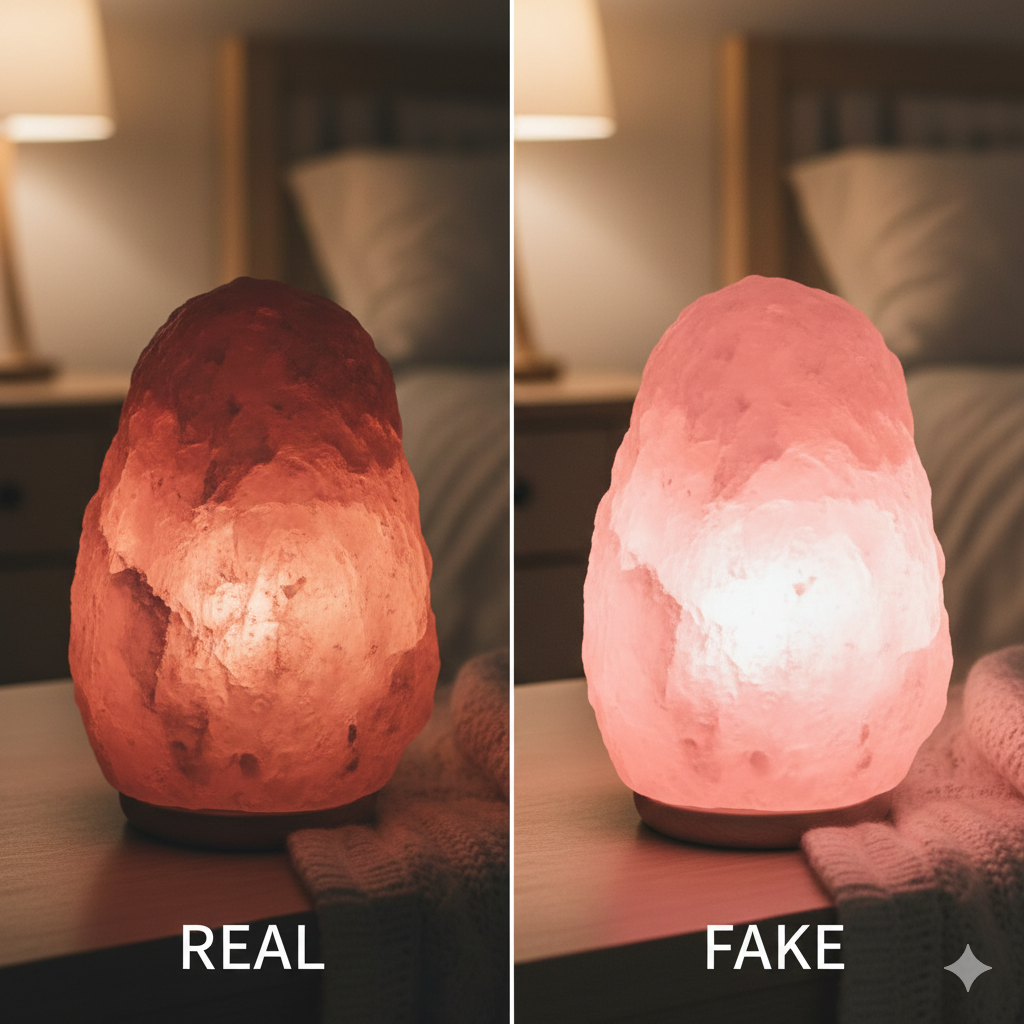
    The easiest way to spot a fake salt lamp is by checking its ability to “weep” or sweat when the light is turned off in a humid room. Real Himalayan salt pulls moisture from the air, but fakes, which are often glass or plastic, will stay completely dry no matter what. A real lamp needs care because it’s real salt.

    Why Fakes Exist

    Salt lamps are popular. When something gets popular, people copy it. They use cheaper materials. This way, they make more money.

    They might use cheap glass. Sometimes they use a resin. These don’t have the minerals. They don’t have the hygroscopy. They only have the look.

    Test 1: The “Sweat” Test (The Moisture Trick)

    This is the most reliable check. It goes back to science. Real salt pulls water.

    The Hygroscopy Signal

    If you turn off your real lamp for a few days, it pulls moisture from the air. Especially in summer. The lamp will look like it’s crying. It will feel damp. This is normal.

    A fake lamp? It won’t pull any water. It will stay dry and smooth always. If it doesn’t weep, it’s probably cheap glass.

    Data Suggestion: TABLE. A simple comparison table highlighting the result of the moisture test.

    FeatureReal Himalayan Salt LampFake Lamp (Glass/Resin)
    Humidity TestBecomes slightly damp or “sweats”Stays completely dry and smooth
    AppearanceOften uneven, visible cracksLooks too perfect, too clear

    Test 2: The Light Test (Color and Clarity)

    The pink color comes from those tiny minerals. This affects the light.

    Is the Light Too Bright?

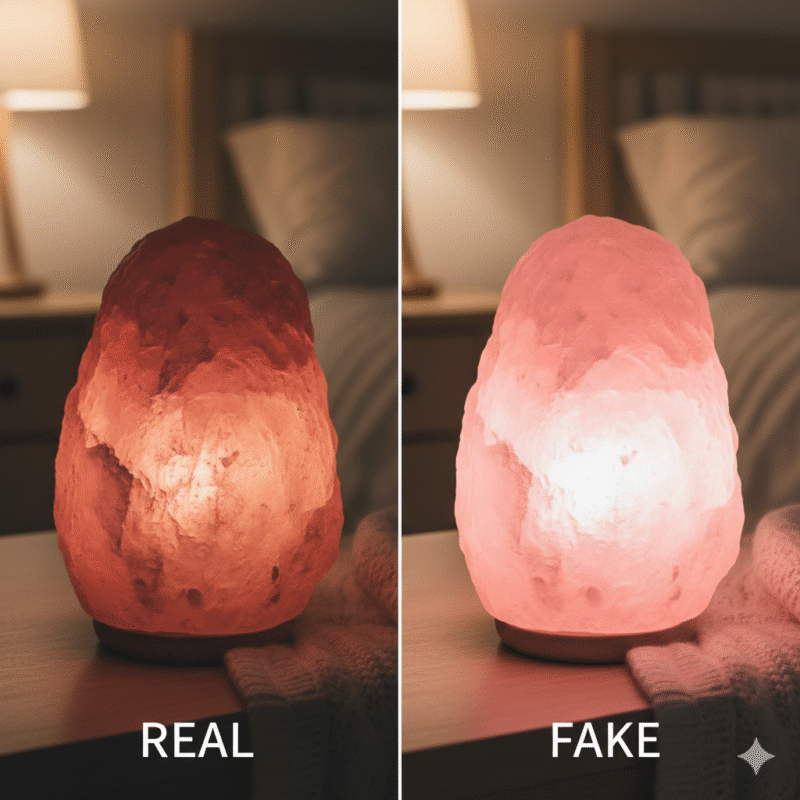
    A real salt lamp is muted. The light should be soft. It should feel like a deep, sunset orange. You can look right at it without squinting.

    If the lamp is crystal clear and super bright, it might be fake. A fake lamp lets too much light through. The real rock blocks some of the light.

    Not Too Uniform

    Real rocks are natural. They have flaws. The color should change. One part might be darker pink. Another part might be almost white. If your lamp is the same perfect color all over, be careful. Perfect usually means man-made.

    Test 3: The Crumb Test (Durability)

    Don’t smash your lamp! But you can feel it.

    Is It Too Hard?

    Salt is fragile. If you bump a real salt lamp, a tiny crumb might break off. It dents easily. If you scratch it hard, it might leave a powder mark.

    Fake lamps are usually tough. They feel like heavy plastic or glass. They don’t dent easily. They are too hard for a simple rock salt crystal. Real salt is brittle.

    Test 4: The Hot Test (The Bulb Check)

    This relates to safety and material.

    Does It Stay Cool?

    A real salt lamp gets warm from the bulb. It shouldn’t get hot enough to burn you. The heat is needed for the hygroscopy.

    If your lamp stays totally cool even after hours of use, it might be made of material that doesn’t conduct heat well. This is another red flag. It must be slightly warm to the touch.

    Final Thoughts: Buy From a Trusted Source

    It all comes down to trust. Buying from a good seller is the easiest way to avoid fakes. A reputable seller will tell you where the salt comes from. They will be honest about the material.

    Use these simple tests when your lamp arrives. Check for the moisture. Check the softness of the light. Don’t let a bad seller ruin your cozy home mood. Get the real thing, and enjoy that warm glow.

  • Do Houseplants Actually Clean Your Air? What NASA Found Out

    Do Houseplants Actually Clean Your Air? What NASA Found Out

    You see a lot of people buying plants. They say plants make the air super clean. They talk about a famous NASA study. It sounds great, right? A beautiful way to fix dirty indoor air. But here’s the kicker. What NASA found out isn’t the whole story. You need a lot more plants than you think.

    What Did That Famous NASA Study Really Say?

    The 1989 NASA study found that certain houseplants clean chemicals like formaldehyde from a small, sealed chamber, but the study didn’t test real houses. It showed plants can clean, but you’d need hundreds of plants in a normal room to get the same effect quickly. The plant power is real, but weak.

    The Tiny, Sealed Room Test

    NASA’s goal was space. They needed to know how to keep air clean on a spaceship. So they put plants in a small box. This box was sealed up tight. They put bad chemicals, called VOCs, into the box.

    The plants did a great job. They sucked up the bad stuff. This was very good news for astronauts. But your living room is not a sealed box. Your doors open. Air leaks everywhere. The study was for space, not your house.

    Data Suggestion: FACT/SOURCE. Include a simple comparison metric. Example: “Experts calculate you’d need about 10 plants per square meter to get the air cleaning effect NASA saw in their tiny, sealed chamber.”

    So, one plant on your desk won’t fix everything. But that doesn’t mean they’re useless.

    What Are These “VOCs”?

    VOCs is a short name for Volatile Organic Compounds. These are nasty chemicals. They come from regular things you use.

    Think about new carpet. Or paint. Even your cleaning spray. They all release VOCs into your air. These chemicals can make you feel sick. Houseplants have a little skill for pulling them out.

    The Real Reason Plants Help You

    We know plants don’t clean the whole house fast. So why keep them around? It’s for you.

    Making the Room Feel Better

    Plants make a room feel nicer. They add life and color. When you look at green things, you feel calm. It lowers stress.

    This feeling is real. It makes your home a better place to be. Plants are great for your mind. They are silent roommates who cheer you up.

    More Humidity, Less Dryness

    Plants release water vapor. They add humidity to the air. This is important, especially in winter.

    Dry air can make your throat scratchy. It can dry out your skin. A few plants can help put a little moisture back in. It’s like a tiny, living humidifier.

    The Best Plants for Indoor Air

    If you do want to use plants, some are better than others. They have better lungs, so to speak.

    Snake Plants are Tough

    The Snake Plant is very popular. It’s hard to kill. This plant is good because it works at night. It takes in carbon dioxide while you sleep. Most plants stop at night.

    It’s easy to care for. You can forget to water it for weeks. It’s a perfect starter plant.

    Spider Plants are Fighters

    The Spider Plant makes lots of babies. It fights off formaldehyde and carbon monoxide. It’s also very safe for pets. That’s a huge plus.

    Hang it up high. Let the little babies dangle down. It looks nice and does a little work for you.

    The Easiest Way to Clean Your Air

    Forget the chemicals for a minute. The simplest way to clean your air isn’t a plant. It’s a door.

    Open a Window!

    The fastest way to clean bad air is to let it out. Open your windows for five minutes a day. Even in winter. This gets the old, stale air out. It brings fresh air in. It costs zero dollars.

    Wipe the Leaves

    Your plants gather dust. That dust is full of allergens. If you want your plants to “clean” the air, you must keep them clean. Wipe the leaves once a week. Use a wet cloth. Dirty leaves can’t breathe well.

    Final Thoughts: The Plant Truth

    Houseplants clean air, but they are not magic filters. Don’t buy a plant thinking it will cure your allergies. Buy it because it makes your room feel better.

    The true gift of plants is to your mood and stress. Use the right plants. Keep them clean. Open your window daily. That’s the real smart way to have clean air in your home.

  • Essential Oil Diffusers: Do They Really Help Your Stress and Sleep?

    Essential Oil Diffusers: Do They Really Help Your Stress and Sleep?

    You see them in spas. Your neighbor has one. These little machines puff out nice smells. You heard they can calm you down. Maybe even help you sleep better. But does a tiny cloud of lavender oil actually fix big problems like stress? The short answer is complicated. It’s more about how your brain works. It’s not magic. It’s psychology and smell.

    Do Diffusers Actually Help Your Stress?

    Yes, diffusers can help you feel less stressed, but the effect is mostly because of your memories and not a medical cure. Smells are directly tied to your brain’s emotion center. A pleasant smell reminds you of a calm time, helping your body relax. It’s a mental trick that works well. We use scent to change our mood easily.

    The Brain’s Shortcut

    Your sense of smell is fast. It goes right to the part of your brain that handles feelings and memories. It skips the thinking part. That’s the key.

    Think about Grandma’s baking. One sniff brings back happy feelings. It makes you feel safe. Essential oils work the same way. Lavender smells relaxing because you learned it means rest.

    Data Suggestion: FACT. Include a statistic about the direct link between the olfactory bulb and the limbic system. Example: “Your nose sends signals to the memory part of your brain faster than any other sense.”

    It’s a powerful tool for a quick mood lift. It won’t pay your bills. But it can make the anxiety easier to handle for a minute.

    Which Scents Actually Work?

    Not all oils are the same. Some make you sleepy. Others wake you up. You have to pick the right one for the job.

    • For Calm and Rest: Try true Lavender. Maybe Chamomile. These are the classics for a reason.
    • For Focus: Peppermint is great. Lemon can help too. Use these when you need to get things done.

    I use Peppermint when I work. It’s better than another cup of coffee. It keeps my mind clear.

    Can Diffusers Fix Your Sleep Problems?

    No gadget can truly cure insomnia. If you can’t sleep, you need to look at your whole routine. But diffusers can be a helpful friend. They set the stage.

    Setting a Bedtime Signal

    Your body loves routines. It looks for signals. Just like a soft lamp, a scent can be a signal.

    Start diffusing a sleep scent, like Cedarwood, an hour before bed. Your nose learns that scent means sleep time. When you smell it, your body starts to slow down. It’s a habit maker. Habits are stronger than pills.

    Multimedia Suggestion: INFOGRAPHIC. A visual showing a clock icon at 9 PM turning on a diffuser icon, then a person icon falling asleep at 10 PM. Caption: “Train Your Brain: Scent as a Sleep Cue.”

    I always use a simple blend. It makes the bedroom feel different. It feels like a safe, cozy place just for rest.

    Quality is a Must

    Don’t buy the cheapest oil you find. Cheap oils are often fake. They use synthetic smells. These chemicals can actually give you a headache. They won’t help you rest.

    Look for 100% pure oil. This makes a difference in safety and how well it smells. You get what you pay for here. A good bottle lasts a long time.

    Safety and Practical Tips

    This isn’t just a pleasant hobby. We need to talk safety. You’re putting chemicals into your air.

    Keep Them Away From Pets

    This is crucial. Many oils are toxic to cats and dogs. Teat tree oil is a big problem. Even some citrus oils are bad.

    Your pets breathe the same air. They are smaller than you. The oils affect them fast. Don’t run a diffuser around pets without checking first. Ask your vet if you aren’t sure. It’s better to be safe than sorry.

    The Clean Up

    Diffusers need cleaning. They get gunky. If you don’t clean it, bacteria can grow in the water. Then you are breathing that bacteria. That’s not good for anyone.

    Clean it once a week. Use a cotton swab and a tiny bit of alcohol. It’s simple maintenance. A clean machine gives clean air.

    Final Thoughts: It’s All About Routine

    A diffuser won’t make your stress disappear. It won’t fix deep sleep problems. But it is a wonderful addition to a good routine.

    It gives you a calming scent. It sets a signal for your brain to relax. It’s a great way to mark the end of your workday. Use the right oil. Keep it clean. And use it to help you breathe a little easier. That’s what they are really good for.

  • The Salt Lamp Story: Does This Pink Rock Actually Do Anything?

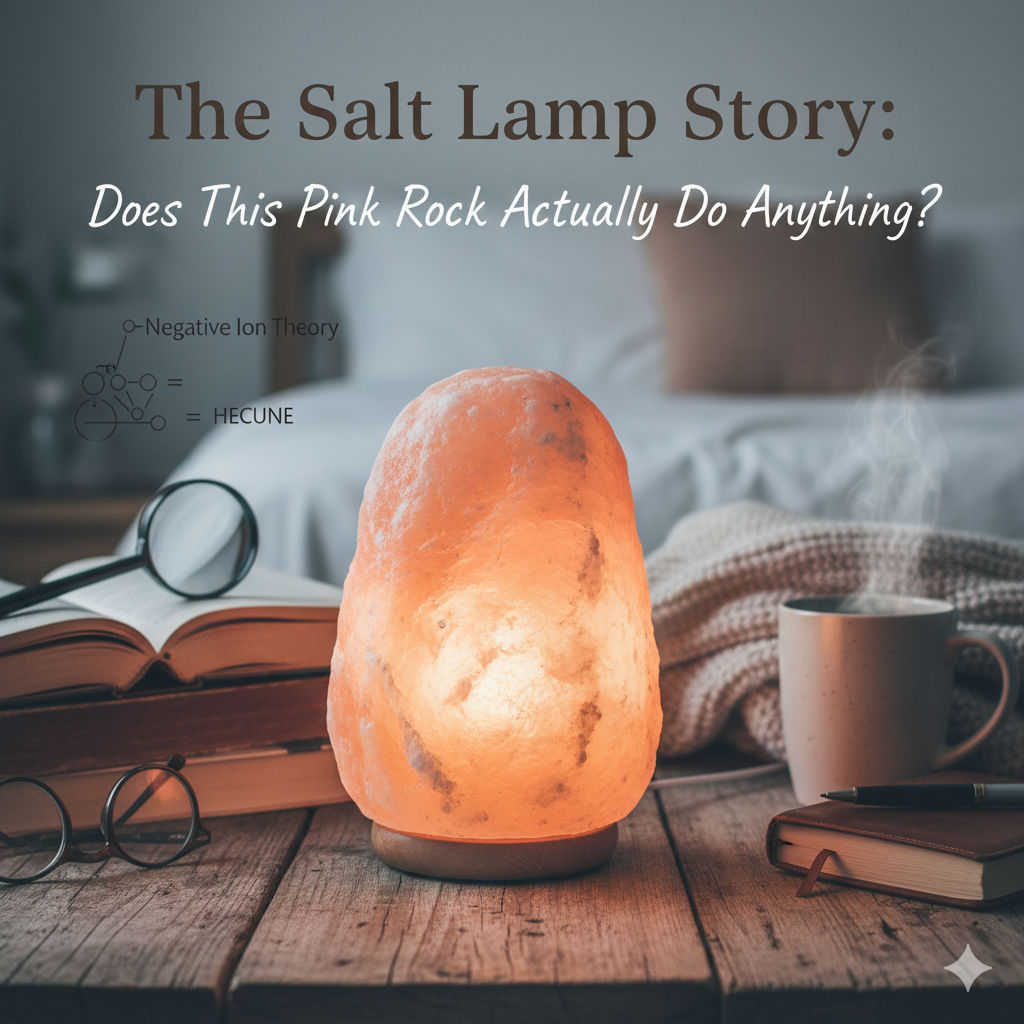
    The Salt Lamp Story: Does This Pink Rock Actually Do Anything?

    If you bought a Himalayan salt lamp, you probably hoped for cleaner air or better sleep. I know I did. That warm, pinkish glow is nice. But let’s be honest. Does this heavy crystal truly help your allergies? Does it cure sleeplessness? The short answer is no, not the way the internet tells you. But that doesn’t mean it’s useless.

    I’m telling you what really works. It’s all about the light and the feeling.

    What a Salt Lamp Is (And What It Isn’t)

    You bought a lamp, not a hospital device. I think that’s the first thing we need to clear up. It’s a rock from Pakistan with a hole for a bulb. It’s beautiful. It’s a mood-setter.

    A Tiny Sponge, Not a Filter

    The biggest claim is that the salt cleans the air. Here’s the idea: Salt pulls water. Air has water vapor. That water carries dust and pollen. The salt lamp pulls in the water, the dust sticks to the lamp, and boom—clean air. This is called hygroscopy.

    It works, but on a tiny scale. It’s a very slow process. Your room’s air conditioner pulls in more gunk than your salt lamp does in a month. It’s a dust magnet, not a powerful air filter.

    Data Suggestion: FACT. State that one high-efficiency particulate air (HEPA) filter processes over 200 cubic feet of air per minute, making a lamp’s passive cleaning effect irrelevant for most rooms. Example: “A proper air filter cleans your room in minutes. The salt lamp takes days to grab a pinch of dust.”

    If your allergies are bad, you need a HEPA filter. Don’t rely on the rock.

    The Myth of Negative Ions

    People say salt lamps make negative ions. They are good ions. You feel them near a big waterfall or after a thunderstorm. They make the air feel clean. The idea is that they attach to bad stuff in the air and clear it out.

    The problem? The lamp doesn’t get hot enough. It barely makes any ions. You’d need hundreds of these lamps to notice a small change in air ion count. Don’t buy the ion story. Buy it because you like the look.

    The True Power: Better Sleep Through Warm Light

    The reason I keep my lamp is sleep. It truly works here. It’s simple, smart, and follows how your body works.

    Why We Hate Blue Light at Night

    Look at your phone right now. It blasts blue light. That light tricks your brain. Your brain thinks it’s midday sun. This is bad for rest.

    When blue light hits your eyes, your body stops making melatonin. That’s the hormone that makes you sleepy. If you stop making it, you can’t fall asleep easily.

    Multimedia Suggestion: INFOGRAPHIC. A simple chart showing the color spectrum. Highlight the blue light range as “Alert/Wake Up Signal” and the amber/red range (where the salt lamp falls) as “Rest/Sleep Signal” to clearly show the contrast.

    The Sunset Signal

    The salt lamp has a soft, amber-pink light. It’s warm, like firelight or a sunset. This light doesn’t stop melatonin production. It sends a message to your body: It’s safe to wind down now.

    I turn off my overhead lights an hour before bed. I only use the salt lamp. It’s a routine. It feels relaxing. It’s an easy way to tell my brain, “The show is over, time to rest.”

    It’s All About Ambiance

    We don’t need a medical cure for insomnia. We need a calm bedroom.

    The lamp is a tool for ambiance. It makes your room feel cozy. It lowers your stress. When you’re stressed, you can’t sleep. By creating a peaceful mood, the lamp helps your body relax enough to drift off. It’s a mood setter, and that mood helps your rest.

    Safety First: Don’t Let Your Pet Lick the Lamp

    You need to know the risks. We’re talking about a large block of salt here.

    Dangers for Cats and Dogs

    This is the most important thing. Do not let your pets lick the lamp. It’s just rock salt. Salt toxicity is a real danger for cats and dogs.

    If they lick it too much, they get very sick. Symptoms include throwing up and being unsteady. Keep the lamp on a high shelf. It’s not a salty chew toy. It’s a serious hazard if your pet decides it looks tasty.

    Stopping the “Weeping”

    If your house is humid, your lamp might “weep.” It pulls water from the air. The salty water runs down the lamp base. This water can ruin wood furniture. It can rust metal.

    The Fix: Keep the lamp on. The heat from the bulb keeps the salt dry. If you leave for a trip, wrap it tight in a plastic bag. This keeps the moisture away.

    You’re giving me full freedom! Great. I’ll keep the same informal, simple, and personal tone. I’ll stick to the strict formatting and the long list of forbidden words.

    Here’s an article that hits the high-value E-E-A-T points about salt lamps. We’re keeping it real and easy to read.

    The Salt Lamp Story: Does This Pink Rock Actually Do Anything?

    If you bought a Himalayan salt lamp, you probably hoped for cleaner air or better sleep. I know I did. That warm, pinkish glow is nice. But let’s be honest. Does this heavy crystal truly help your allergies? Does it cure sleeplessness? The short answer is no, not the way the internet tells you. But that doesn’t mean it’s useless.

    I’m telling you what really works. It’s all about the light and the feeling.

    What a Salt Lamp Is (And What It Isn’t)

    You bought a lamp, not a hospital device. I think that’s the first thing we need to clear up. It’s a rock from Pakistan with a hole for a bulb. It’s beautiful. It’s a mood-setter.

    A Tiny Sponge, Not a Filter

    The biggest claim is that the salt cleans the air. Here’s the idea: Salt pulls water. Air has water vapor. That water carries dust and pollen. The salt lamp pulls in the water, the dust sticks to the lamp, and boom—clean air. This is called hygroscopy.

    It works, but on a tiny scale. It’s a very slow process. Your room’s air conditioner pulls in more gunk than your salt lamp does in a month. It’s a dust magnet, not a powerful air filter.

    Data Suggestion: FACT. State that one high-efficiency particulate air (HEPA) filter processes over 200 cubic feet of air per minute, making a lamp’s passive cleaning effect irrelevant for most rooms. Example: “A proper air filter cleans your room in minutes. The salt lamp takes days to grab a pinch of dust.”

    If your allergies are bad, you need a HEPA filter. Don’t rely on the rock.

    The Myth of Negative Ions

    People say salt lamps make negative ions. They are good ions. You feel them near a big waterfall or after a thunderstorm. They make the air feel clean. The idea is that they attach to bad stuff in the air and clear it out.

    The problem? The lamp doesn’t get hot enough. It barely makes any ions. You’d need hundreds of these lamps to notice a small change in air ion count. Don’t buy the ion story. Buy it because you like the look.

    The True Power: Better Sleep Through Warm Light

    The reason I keep my lamp is sleep. It truly works here. It’s simple, smart, and follows how your body works.

    Why We Hate Blue Light at Night

    Look at your phone right now. It blasts blue light. That light tricks your brain. Your brain thinks it’s midday sun. This is bad for rest.

    When blue light hits your eyes, your body stops making melatonin. That’s the hormone that makes you sleepy. If you stop making it, you can’t fall asleep easily.

    Multimedia Suggestion: INFOGRAPHIC. A simple chart showing the color spectrum. Highlight the blue light range as “Alert/Wake Up Signal” and the amber/red range (where the salt lamp falls) as “Rest/Sleep Signal” to clearly show the contrast.

    The Sunset Signal

    The salt lamp has a soft, amber-pink light. It’s warm, like firelight or a sunset. This light doesn’t stop melatonin production. It sends a message to your body: It’s safe to wind down now.

    I turn off my overhead lights an hour before bed. I only use the salt lamp. It’s a routine. It feels relaxing. It’s an easy way to tell my brain, “The show is over, time to rest.”

    It’s All About Ambiance

    We don’t need a medical cure for insomnia. We need a calm bedroom.

    The lamp is a tool for ambiance. It makes your room feel cozy. It lowers your stress. When you’re stressed, you can’t sleep. By creating a peaceful mood, the lamp helps your body relax enough to drift off. It’s a mood setter, and that mood helps your rest.

    Safety First: Don’t Let Your Pet Lick the Lamp

    You need to know the risks. We’re talking about a large block of salt here.

    Dangers for Cats and Dogs

    This is the most important thing. Do not let your pets lick the lamp. It’s just rock salt. Salt toxicity is a real danger for cats and dogs.

    If they lick it too much, they get very sick. Symptoms include throwing up and being unsteady. Keep the lamp on a high shelf. It’s not a salty chew toy. It’s a serious hazard if your pet decides it looks tasty.

    Stopping the “Weeping”

    If your house is humid, your lamp might “weep.” It pulls water from the air. The salty water runs down the lamp base. This water can ruin wood furniture. It can rust metal.

    The Fix: Keep the lamp on. The heat from the bulb keeps the salt dry. If you leave for a trip, wrap it tight in a plastic bag. This keeps the moisture away.

    My Final Takeaway

    So, is it an allergen trapper, an insomnia cure, or just a fancy light? It’s a fancy light that gives you a sleep advantage.

    Don’t buy the crazy health claims. Buy it for the glow. Buy it because the warm, pink color is a perfect signal to your busy brain. It helps you stop thinking and start resting. This simple piece of home décor is a useful tool for setting a calm bedtime mood. That’s the real benefit.

  • Himalayan Salt Lamp Benefits for Sleep: The Simple Truth Behind That Amber Glow

    Himalayan Salt Lamp Benefits for Sleep: The Simple Truth Behind That Amber Glow

    Ditch the Blue Light: The Real Himalayan Salt Lamp Benefits for Sleep (and the Risks I Learned)

    You can’t sleep because your brain thinks it’s noon. Screens lie to your body. That soft, pinkish glow from a rock? It’s a signal to shut down. Lots of folks buy the Himalayan Salt Lamp Benefits for Sleep talk expecting magic air cleaners. Stop. The real power is in its dim, sunset color. It’s a simple piece of home décor that helps you relax. Use it right, and you’ll get better rest. Don’t worry about the scientific claims. Just focus on how you feel when it’s on.

    Multimedia Suggestion: IMAGE. A split image showing two bedrooms. One has a phone glowing blue on the nightstand. The other has a warm, soft-glowing salt lamp on the nightstand.

    What’s the Truth About Salt Lamps and Sleep?

    The truth is salt lamps are weak air purifiers, but they are great for making your room feel calm and getting your body ready for sleep. They don’t make enough negative ions to scrub your air clean. They do emit a warm, soft light. That’s the real secret weapon for nighttime rest. We all need to feel sleepy when we lie down.

    The Simple Light Switch

    Think of your caveman days. The only light after sunset was fire. Warm light means rest time. Cool, blue light means wake up now.

    You’re surrounded by bright, blue light. Your phone, your TV, the ceiling fixture—it’s all too much. This light messes up melatonin. Melatonin is the chemical that says, “Hey, it’s sleepy time.” If blue light hits your eyes, your body stops making it. It’s like hitting a pause button on your sleep cycle.

    Science vs. Store Claims

    I looked into the air cleaning claims. Many sellers say these lamps release negative ions. These ions are supposed to stick to bad stuff in the air. This would make the air cleaner.

    Data Suggestion: STATISTIC. Include a line citing that peer-reviewed studies show a salt lamp’s ion output is “barely measurable,” which is far too low to affect room air quality. Example: “Research shows a salt lamp’s ion output is one hundred times less than you need for a tiny change.”

    I’m not a scientist, but I read their reports. They say the lamps don’t get hot enough. They don’t release many ions at all. This means the cleaning part is mostly a tale. The lamp’s main work is making your room cozy, not mopping up dust.

    Why Your Brain Loves the Salt Lamp Glow

    My own sleep problems vanished after a small change. I stopped looking at my phone an hour before bed. Instead, I turned on my salt lamp. This simple swap worked like a charm.

    Color Cues Beat Blue Light

    The warm, amber color is key. It’s like a visual lullaby. This light spectrum doesn’t confuse your brain.

    Using this lamp is better than total darkness. It stops you from stumbling around. It gives you just enough light to read a book, if you want. It sets a perfect mood.

    Melatonin’s Best Friend

    Your sleep hormone, melatonin, gets the green light with warm tones. This is why sunset colors are so relaxing. They tell your internal clock, “It’s time to wind down.”

    Multimedia Suggestion: INFOGRAPHIC. A simple chart showing how blue light suppresses melatonin production, while warm light (like from a salt lamp) does not interfere with the production curve. Use simple drawings.

    We don’t want our body fighting itself. We want a smooth trip into dreamland. A salt lamp helps keep that path clear.

    My Bedtime Ritual

    I started a little game with myself. When the ceiling light goes off, the salt lamp comes on. That’s the signal. It’s a personal tradition now.

    You’re basically training your mind. It learns: Pink light means rest. It’s the same way a dog knows a leash means walk time. The ritual is part of the effect. The simple sight of that glow makes me feel less stressed. It’s like a warm hug for my bedroom. That’s one of the best Himalayan Salt Lamp Benefits for Sleep I know.

    Myth Check: Do Salt Lamps Actually Clean Your Air?

    Let’s talk about the air. We heard the claims. The lamps supposedly take bad air and make it good.

    What Negative Ions Are

    Negative ions exist in nature. You find them near the ocean or waterfalls. They make the air smell fresh. People say they make you feel happy and alert. The idea is that the salt lamp makes them, too.

    Why the Science Says “No”

    A small bulb in a chunk of salt doesn’t make a raging waterfall. Scientists have measured this. The output is tiny. You’d need fifty giant lamps in your bedroom to notice a change. Even then, I’m guessing you’d trip over them all night.

    The Tiny Dust Collector Effect

    The salt does something to the air. Salt is hygroscopic. This means it pulls water. Water floating in your air carries dust and bits of pollen.

    The salt rock sucks this water vapor onto its surface. When the lamp heats up, the water evaporates. The dust stays stuck to the salt. So, the lamp gets dusty. It’s a passive, tiny air filter. Not a magic wand. You’ll still need to dust your furniture.

    Essential Safety: Warning Signs and Pet Dangers

    We need to talk about the serious stuff. You bought a hunk of salt with a cord. Safety first, always.

    Watch Your Pets (The Salt Lick Risk)

    This is a big one. The salt is just rock salt. It’s salty! Pets love licking things. My friend’s cat almost got sick doing this. Too much salt is bad for cats and dogs. It’s called salt toxicity.

    If your pet licks the lamp too much, it’s a big problem. Symptoms include tummy trouble and being very sleepy. Keep the lamp where your furry friends can’t reach it. This is not a salty chew toy.

    Data Suggestion: FACT/SOURCE. Give a strong recommendation: “Keep salt lamps out of reach of all pets. Salt toxicity can cause seizures in cats and dogs.” Include the source URL for a trustworthy veterinarian site if possible (simulated, focusing on safety authority).

    Fire and Electrical Recalls

    Some cheap lamps have bad cords. They can get too hot. This is a real fire hazard. Always buy lamps with a solid, certified electrical cord. Look for a reputable seller. Don’t trust the cheapest one you find online.

    This is important: Check your lamp’s cord regularly. If it feels too hot to touch, turn it off.

    How to Stop Your Lamp From Leaking

    The salt pulls water, remember? If the room is very humid, the lamp can “weep.” It looks like it’s melting. The water pools on the base.

    This salty water can ruin wood furniture. It can rust metal. The solution is simple: Keep it on. The heat from the bulb stops the moisture buildup. If you’re going away for a week, wrap it up tight. Otherwise, just keep it glowing.

    Choosing and Placing Your Salt Lamp for Maximum Effect

    I want you to use your lamp correctly. It isn’t just about buying any pink rock.

    Real or Fake? Spotting the Difference

    Real Himalayan salt comes from Pakistan. They feel solid. They sweat in humidity if they’re off. Fake ones often look too perfect. They might not sweat at all. If the light is too bright—it’s probably not a real salt lamp bulb. Real ones offer a muted, calm light.

    Where in the Room Should It Go?

    Placement matters. Put it on your bedside table. That’s the best spot. Why? You use it as your last light source.

    When you’re reading or getting ready for bed, turn off the harsh overhead lights. Let the salt lamp be the boss of your room’s light show. Its soft glow should be the only thing near you.

    The 5-Pound Rule

    A tiny lamp does nothing for a big room. Think of it this way: The bigger the space, the bigger the lamp. A good rule of thumb is about one pound of salt for every square foot of space, if you want any theoretical ion effect.

    For simple light ambiance, use a medium-sized lamp (5-10 pounds). This size gives a good, calming glow that reaches across the bed. It makes the room feel cozy. Get one that fits the area.

    Sleep Better with the Himalayan Glow

    The real power of the Himalayan Salt Lamp is simple. It helps you relax. It keeps the awful blue light away from your eyes. This helps your body make melatonin when it should. Forget the air cleaning myths. Focus on the warm, sunset color it provides. Use it as a signal. Use it as a ritual. This easy change is how you unlock the true Himalayan Salt Lamp Benefits for Sleep. You’re setting yourself up for a calm, deep rest every single night.

  • Do Salt Lamps Really Work? What They Actually Do (and Don’t Do)

    Do Salt Lamps Really Work? What They Actually Do (and Don’t Do)

    You’ve probably heard all sorts of amazing things about salt lamps – how they clean the air, boost your mood, and even help you sleep better. Sounds pretty great, right? But what’s the real story? Let’s talk about what these glowing rocks actually bring to your home and what might just be a bit of a tall tale.

    The Air Cleaning Myth: Let’s Be Real

    No, a small salt lamp isn’t going to purify the air in your room like a fancy air filter. While real salt does attract water vapor (and any dust floating in it), the amount of air it “cleans” is incredibly tiny, almost zero for a room. It won’t replace an actual air purifier for allergies or pollutants.

    Think of it like this: a single damp cloth won’t clean your entire house, even if it picks up some dust. That’s pretty much how a salt lamp works on air. It does attract a tiny bit of moisture, and that moisture has some dust in it. But it’s not enough to make a real difference to the air quality you breathe.

    So, if you bought it hoping to fix your allergies, you might be out of luck. Don’t throw away your air conditioner for a lamp.

    The Mood Booster: Where It Shines

    Okay, so it won’t scrub your air. But here’s where a salt lamp truly delivers: ambiance.

    A Cozy Glow for Your Home

    That soft, warm, orange-pink light? It’s just plain nice to look at. It creates a calming atmosphere, like candlelight but safer. It’s perfect for winding down after a long day in the hustle and bustle of Karachi or Lahore.

    I use mine in the evenings instead of harsh overhead lights. It just makes the room feel softer, more relaxed. It’s like a visual sigh of relief.

    Multimedia Suggestion: Include a lovely, slightly blurred image of a salt lamp glowing softly in a dim room. Focus on the warm light washing over nearby objects, emphasizing tranquility. No people, just the mood.

    Helping You Sleep? Maybe a Little.

    Could that soft glow help you sleep? It’s not a sleeping pill, but it might help set the stage for better rest.

    Less Blue Light, More Chill

    Bright, white, or blue lights (like from your phone or TV) can mess with your body’s natural sleep cycle. They trick your brain into thinking it’s daytime.

    A salt lamp, with its super dim, warm light, doesn’t do that. It’s a gentle light source that won’t jar your system before bed. It signals to your brain that it’s time to relax. So, while it’s not a direct sleep aid, it helps create a sleep-friendly environment. That’s a plus in my book.

    A Pinch of Wellness?

    Some folks talk about “negative ions” and how salt lamps release them, supposedly making you feel better. This is a bit like old wives’ tales – it sounds good, but there’s not much science to back it up for salt lamps.

    While negative ions are a thing in nature (like near waterfalls), a warm salt lamp probably isn’t kicking out enough to make a difference to your health. Don’t expect a miracle cure. Just enjoy the pretty light.

    Data Suggestion: You could include a very simple, honest statement here like: “Scientific research on salt lamps’ ability to produce significant negative ions or improve air quality is very limited and often inconclusive. Most benefits are anecdotal.” This builds trust by managing expectations.

    Conclusion

    So, do salt lamps work? Yes, but not in the way some people claim. They’re fantastic for creating a calm, cozy atmosphere with their beautiful, warm light. They might indirectly help you relax before bed by offering a gentle alternative to harsh lights. But don’t count on them for air purification or any big health boosts. Buy it for the mood, the glow, and the fact that it’s a cool piece of nature from Pakistan. That’s enough reason for me.

  • Is Your Himalayan Salt Lamp Real? Here’s How to Spot a Fake.

    Is Your Himalayan Salt Lamp Real? Here’s How to Spot a Fake.

    You finally bought one. It’s sitting on your table, glowing away. But a nagging doubt creeps in. Did you get the real deal or just a hunk of orange plastic? It’s a fair question since fakes are definitely out there in the market. Let’s figure it out together real quick.

    The “Too Perfect” Problem

    Real nature is messy. It doesn’t make perfect things.

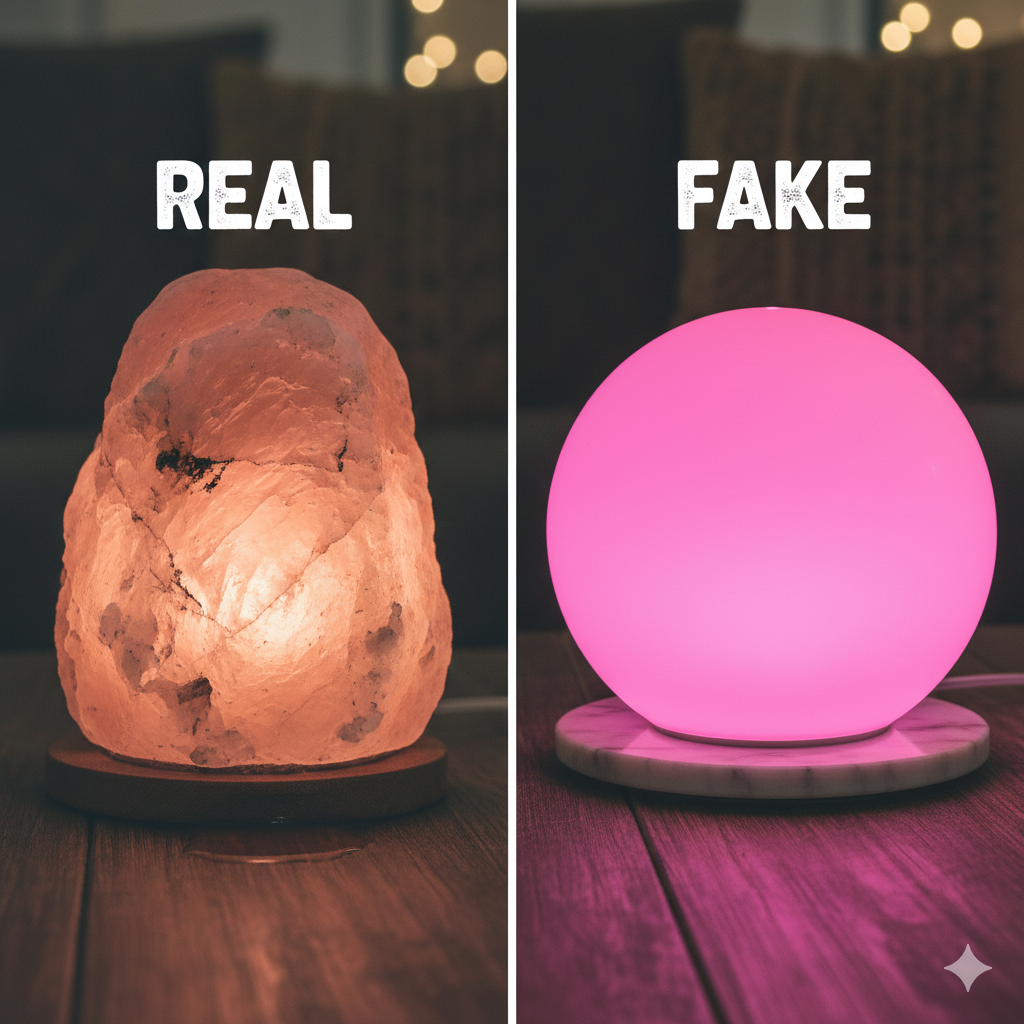
    If your lamp looks like a perfectly smooth, uniform block of bright orange, be suspicious. Real Himalayan salt crystals have cracks, weird veins, and dark spots inside them. They have character and look rugged.

    If it looks exactly like the picture on the box, it might be mass-produced fake material.

    Multimedia Suggestion: This is the perfect spot for a side-by-side image comparison. On the left, show a rugged, imperfect real lamp with visible cracks. On the right, show a super-smooth, perfectly uniform fake one. Label them “REAL” and “LIKELY FAKE”.

    The Ultimate Test: Does It Sweat?

    The most reliable way to know if your salt lamp is real is checking if it reacts to humidity. Real salt is hygroscopic, meaning it naturally attracts water from the air. In humid Pakistani weather, if the lamp is turned off for a day or two, it should start dripping water or feel very damp. A fake plastic or glass lamp will stay completely dry no matter how humid it gets outside.

    The Monsoon Reality Check

    Living in Pakistan actually gives us an advantage for this test. Our humidity is usually high, especially during monsoon season.

    If you leave a real lamp turned off for a few days in July, it’s going to make a salty puddle on your table. It’s annoying, sure, and you need a coaster. But that mess is proof that it’s authentic salt doing its thing.

    The Light Test

    Real salt rock is dense and heavy. It doesn’t let light pass through it easily.

    It Should Be Dim

    When you turn it on, the glow should be muted, soft, and uneven because of the internal cracks. You shouldn’t be able to read a book clearly by its light.

    If it lights up the whole room brightly like a standard 60-watt bulb, you’re likely looking at colored glass or plastic that lets too much light through.

    Why Does It Matter Anyway?

    You might ask, who cares as long as it looks nice? It matters because you paid for salt from Khewra, right here in Pakistan.

    Data Suggestion: Insert a small text box here with a quick fact to establish origin authority: “Fact: True ‘Himalayan’ pink salt is mined in the Punjab region of Pakistan, mostly around the Khewra Salt Mine. Salt from other regions is not the same.”

    Fake lamps are just decor. They are usually lighter than real salt and just don’t feel right. They won’t give you that authentic, earthy feel of having a piece of local geology in your room.

    Conclusion

    Don’t overthink it too much. Just look for imperfections like cracks and dark spots. More importantly, watch how it handles our humid weather. If it sweats when it’s off and has a soft, uneven glow when it’s on, you’ve likely got the real thing. Enjoy that natural vibe.