Blog

  • 50+ Beautiful Himalayan Salt Lamp Photos for Home Inspiration

    50+ Beautiful Himalayan Salt Lamp Photos for Home Inspiration

    50+ Beautiful Himalayan Salt Lamp Photos for Home Inspiration Himalayan salt lamp photos help people picture how these lamps look in real homes before choosing one. From cozy living rooms to quiet bedrooms, salt lamp images show how different shapes, sizes, and light tones fit into everyday spaces. Seeing Himalayan salt lamp home decor in actual settings makes it easier to understand placement, scale, and glow. This collection of photos focuses on natural interiors, simple styling, and warm lighting. Whether you prefer modern rooms or relaxed spaces, these Himalayan salt lamp photos for home inspiration offer clear visual ideas you can relate to and use with confidence.

    50+ Beautiful Himalayan Salt Lamp Photos for Home Inspiration

    Why Himalayan Salt Lamp Photos Help With Home Styling

    50+ Beautiful Himalayan Salt Lamp Photos for Home InspirationHimalayan salt lamp photos support visual decision-making by showing how lamps appear in real homes rather than product-only views. Seeing salt lamp images in living rooms, bedrooms, or offices gives a clearer sense of size, shape, and balance within a space. Photos also show the glow level, from soft ambient lighting to warmer tones used in the evening. Placement becomes easier to judge when you can see lamps on shelves, side tables, or desks. These visual examples reduce guesswork and make it simpler to choose Himalayan salt lamp home decor that suits your room layout and lighting needs.

    Living Room Himalayan Salt Lamp Photos

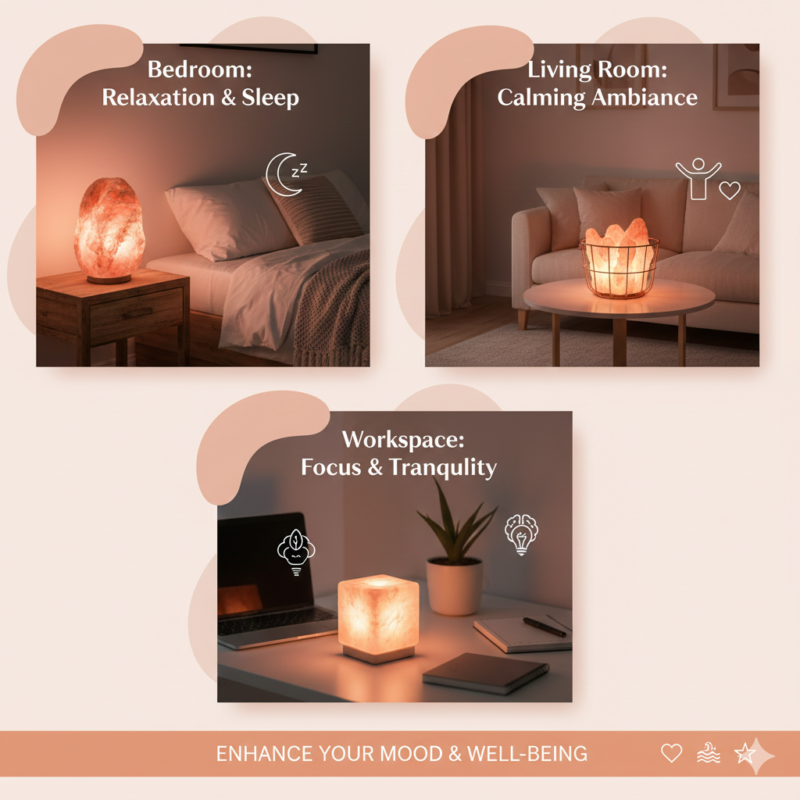
    Living room salt lamp photos show how these lamps fit naturally into shared spaces without overpowering the room. On side tables, a medium-sized lamp adds warm light next to sofas or chairs. When placed on shelves, Himalayan salt lamps work well as part of layered salt lamp home decor, sitting alongside books or simple objects. Accent corners are another common spot, where a lamp can soften unused areas and balance the room visually. These living room salt lamp examples help show how size, placement, and glow come together in everyday home settings.

    Bedroom Himalayan Salt Lamp Photo Ideas

    Bedroom salt lamp photos highlight how gentle lighting supports restful spaces. Placing a Himalayan salt lamp on bedside tables adds soft light that feels comfortable in the evening. Many low-light setups use smaller lamps to avoid bright overhead lighting before sleep. These images often show calm evening scenes, where warm tones create a relaxed atmosphere. Bedroom salt lamp photos also help compare lamp sizes and glow levels, making it easier to choose the right fit. Used thoughtfully, ambient lighting from salt lamps blends smoothly into bedroom decor without drawing too much attention.

    Modern and Minimal Interior Salt Lamp Styles

    Modern salt lamp decor often focuses on clean lines and simple forms that blend easily into neutral spaces. In minimalist rooms, a natural-shaped or lightly carved salt lamp adds warmth without disrupting the overall look. These interiors usually pair salt lamps with wood, stone, or soft fabrics to keep the space balanced. The subtle glow of a minimalist salt lamp works well in rooms with limited color and decor, offering gentle light rather than a strong focal point. Photos of modern settings show how Himalayan salt lamps can complement simple design without feeling out of place.

    Rustic, Boho, and Natural Home Looks

    Rustic salt lamp photos often show lamps paired with wood textures, woven materials, and simple furniture. These settings use warm color palettes that match the natural tones of Himalayan salt, helping the lamp feel like a natural part of the room. In boho salt lamp styling, lamps are commonly placed among plants, handmade items, and mixed natural decor for a relaxed look. The uneven shape and soft light of a rustic salt lamp suit open shelves, side tables, or floor corners. These images show how salt lamps fit easily into homes that favor warmth, texture, and comfort.

    Types of Himalayan Salt Lamps Seen in Real Homes

    Photos of Himalayan salt lamps in real homes show several common styles. Natural shapes highlight the raw look of pink salt and work well in relaxed spaces. Carved blocks offer a more uniform appearance that suits modern or tidy rooms. Basket designs, often made with metal frames, allow light to pass through salt chunks and create visual texture. Some homes also feature white salt lamps, which have a softer, lighter tone compared to pink salt. Seeing these types in everyday settings helps compare size, shape, and glow before choosing a lamp for your space.

    How to Choose the Right Salt Lamp Based on Photos

    Himalayan salt lamp photos make it easier to choose the right option by showing clear size comparison in real rooms. Larger lamps often appear on floors or wide tables, while smaller ones suit desks, shelves, and bedside areas. Photos also offer practical placement ideas, helping you see how lamps balance with nearby furniture. Lighting effect differences become more noticeable when viewing images taken in low light, showing how bright or soft each lamp appears. By studying salt lamp home decor photos, you can select a lamp that fits your space, lighting needs, and overall room style.

    Common Questions People Ask When Viewing Salt Lamp Photos

    When people look at Himalayan salt lamp photos, brightness expectations are often the first concern. Images help show that most salt lamps give off a soft glow rather than strong light. Another common question is about the best rooms for placement. Photos usually feature bedrooms, living rooms, and offices, where gentle lighting feels appropriate. Visual balance also matters. Viewers want to see how a lamp fits next to furniture, wall colors, and other decor. By reviewing real salt lamp home decor photos, it becomes easier to judge scale, lighting level, and whether a lamp feels right for a specific space.

  • Unique Decorative Himalayan Salt: Pieces for Home Wellness?

    Unique Decorative Himalayan Salt: Pieces for Home Wellness?

    Unique Decorative Himalayan Salt Pieces for Home Wellness? Decorative Himalayan salt pieces are natural salt formations shaped or arranged for use as home decor. These include salt lamps, candle holders, and loose salt chunks placed in bowls or baskets. Their soft tones and uneven textures make them suitable for homes that favor warm, natural styling.

    In home ambience, Himalayan salt decor is often used to create gentle lighting and visual calm. Many people place these pieces in living rooms, bedrooms, or quiet corners where softer light feels more comfortable. Beyond appearance, decorative Himalayan salt pieces for home wellness are commonly chosen to support relaxing spaces that feel simple, grounded, and inviting.

    Types of Decorative Salt Pieces

    Unique decorative Himalayan salt pieces come in several forms, each suited to different spaces and lighting needs. Himalayan salt lamps are popular for living rooms and bedrooms, offering a warm glow that works well as soft ambient lighting. Salt candle holders add gentle light to dining tables, shelves, or meditation areas. Nightlights made from Himalayan salt are often used in hallways or children’s rooms for low-level illumination. Salt blocks and salt chunks are commonly chosen for craft displays, spa corners, or decorative bowls, allowing flexible and creative home decor arrangements.

    Choosing the Right Piece for Your Room

    Selecting decorative Himalayan salt pieces depends on the room and how the space is used with Unique Decorative Himalayan Salt . In living spaces, larger Himalayan salt lamps or decorative salt chunks work well as natural focal points on shelves or side tables. For unique decorative Himalayan salt bedrooms, smaller salt lamps or salt nightlights provide soft lighting that supports calm surroundings without being harsh. In offices and nook corners, compact salt decor pieces or candle holders fit neatly on desks or small shelves, adding warmth without distraction. Thoughtful placement helps Himalayan salt decor blend naturally with everyday home ambience.

    Creating a Calm Wellness Environment

    Decorative Himalayan salt pieces are often used to shape calm, comfortable spaces through simple visual setup and lighting choices. Placing a Himalayan salt lamp on a side table or shelf creates soft, steady light that works well during evenings. Unique Decorative Himalayan Salt candle holders can be grouped in pairs to add gentle contrast without overpowering the room. For softer ambient effects, salt nightlights placed near the floor or in corners help reduce harsh shadows. When arranged with neutral decor and natural materials, decorative Himalayan salt pieces for home wellness support spaces that feel balanced, warm, and easy to relax in.

    What You’ll Find in Quality Salt Decor

    Quality decorative Himalayan salt pieces are usually made from solid pink salt with natural color variation, visible layers, and uneven edges. These features show that the salt is unrefined and shaped with minimal processing. Unique decorative Himalayan salt decor is commonly sourced from the Himalayan region, especially areas known for long-established salt mining. Well-made pieces feel dense and sturdy, not brittle or coated. When used as Himalayan salt decor in the home, these materials give each lamp, candle holder, or salt block a natural look that fits well with simple, wellness-focused interiors.

    Balancing Claims About Air and Comfort

    Many searchers look for information about Himalayan salt air claims and whether decorative salt pieces support indoor air quality. Common questions focus on negative ions, air freshness, and overall comfort at home. In reality, most people choose unique decorative Himalayan salt decor for how it looks and how it makes a space feel rather than for proven air changes. The warm light from salt lamps and candle holders often creates a sense of calm and ease. This perceived comfort comes from lighting and atmosphere, not measurable air shifts, which helps set clear and realistic expectations.

    Unique Decorative Himalayan Salt Pieces for Home Wellness?

    Creative Uses and DIY Projects

    Unique decorative Himalayan salt pieces can be used in simple DIY setups that add character to a room. Craft baskets filled with salt chunks or rough salt stones work well on coffee tables or open shelves. These displays allow natural shapes and color tones to stand out without extra lighting. Mixed salt displays combine small salt blocks, candle holders, and loose crystals in shallow bowls or trays. This approach suits spa-style corners or entryways. Using Himalayan salt decor in flexible arrangements makes it easy to refresh the look while keeping a calm, natural home ambience.

    Care and Maintenance Tips

    Proper care helps unique decorative Himalayan salt pieces last longer and keep their natural look. Avoid moisture by placing salt lamps, candle holders, and salt blocks in dry areas away from bathrooms or open windows. Salt naturally attracts humidity, so damp spaces can cause surface sweating. For cleaning guidance, use a dry or slightly damp cloth and wipe gently, then dry right away. Do not rinse salt decor under water or use cleaning sprays. With simple upkeep and thoughtful placement, Himalayan salt decor stays visually appealing and easy to maintain in everyday home settings.

    Conclusion 

    Unique decorative Himalayan salt pieces fit easily into many home styles, from modern to rustic, because of their natural color and simple form. When chosen with room size and lighting in mind, they blend into everyday spaces without feeling forced. Larger Himalayan salt lamps suit living rooms and shared areas, while smaller salt lamps or nightlights work better in bedrooms. Candle holders and salt chunks are good options for desks, shelves, or quiet corners. Start with one piece per room, adjust placement, and build a setup that feels comfortable, balanced, and easy to live with over time.

    FAQs

    Are unique decorative Himalayan salt safe to use at home?
    Yes, Himalayan salt decor such as lamps and candle holders is safe when placed on stable surfaces and kept dry.

    Do Himalayan salt lamps change indoor air quality?
    They are mainly used for lighting and atmosphere. Any air-related effects are based on personal comfort, not measured results.

    Where should Himalayan salt decor be placed?
    Living rooms, bedrooms, offices, and nook corners are common choices.

    How long do salt lamps last?
    With proper care and low moisture exposure, they can last for many years.

    Can salt blocks be used for decor only?
    Yes, many people use salt blocks and salt chunks purely for decorative purposes.

  • Himalayan Salt Bath Benefits: A Relaxing Way to Feel Better

    Himalayan Salt Bath Benefits: A Relaxing Way to Feel Better

    Himalayan salt bath benefits have become a simple way for people to unwind, soothe tired muscles, and support overall comfort at home. Made from mineral-rich pink salt sourced from the Khewra region, these baths are often used for skin relief, relaxation, and stress reduction. Many people enjoy them after long days because the warm water mixed with Himalayan salt helps the body feel lighter and calmer. Whether you’re interested in wellness routines, natural self-care, or easy ways to relax, a Himalayan salt bath offers a gentle method that fits into almost any lifestyle.

    What Is Himalayan Salt bath benefits & Why It Matters

    Himalayan salt comes from the Khewra Salt Range in Pakistan, one of the oldest and purest natural salt deposits. Its soft pink color comes from minerals like magnesium, calcium, and potassium, which give it both visual appeal and wellness value. For bath use, authenticity matters because only genuine Khewra salt carries this natural mineral profile. Many low-quality or imitation salts lack these properties, making it important to choose verified sources. When you use real Himalayan bath salt, you get consistent grain quality, safe dissolving, and the true mineral-rich experience that people rely on for relaxation and skin comfort.

    Health & Wellness Benefits

    A warm Himalayan salt bath benefits is often used for stress relief because the warm water and mineral-rich salt help the body settle into a calmer state. Many people find it useful for improving mood and preparing for better sleep after a long day. On the skin, the fine minerals support gentle hydration and natural exfoliation, helping remove dryness and buildup. Those with mild eczema or psoriasis may notice temporary comfort due to the soothing nature of saltwater baths. While results vary from person to person, Himalayan bath salt is widely valued as a simple, relaxing way to support overall well-being.

    Himalayan Salt Bath Benefits

    Detoxification & Circulation Support 

    Warm baths play a gentle role in helping the body stay balanced from the inside. When you soak in mineral-rich or salt-infused water, your skin absorbs natural compounds that support the removal of waste through sweating. This process helps the body release built-up toxins and maintain healthier electrolyte levels. The heat also widens blood vessels, allowing smoother circulation throughout the body. Better blood flow means more oxygen and nutrients reach your muscles and organs, helping you feel lighter and more relaxed. With Himalayan Salt Bath Benefits: A Relaxing Way to Feel Better regular baths, many people notice improved comfort, balanced energy, and a calmer overall state.

    How to Use Himalayan Salt Baths Safely 

    A Himalayan Salt Bath Benefits can be soothing, but following simple steps keeps it safe for everyone. Use warm water—not too hot—so the body relaxes without stress. Most people add one to two cups of Himalayan bath salt to a full tub and let it dissolve fully. A soak of 15–20 minutes is usually enough. You can add mild essential oils if your skin tolerates them well. Children, older adults, and those with sensitive skin should use less salt and lower water temperature. Avoid soaking if you have open cuts or irritation, and always stay hydrated before and after your bath.

    Home Spa & Relaxation Setups 

    Creating a calm home spa with Himalayan salt bath benefits is simple and helps you unwind after a long day. Start with a warm foot soak using fine or medium-grain Himalayan salt to relax tired muscles. Add soft aromatherapy scents like lavender or rose for a peaceful atmosphere. Keep lighting gentle—warm lamps, candles, or a dim corner work well. Pair this setup with slow background music or nature sounds to deepen relaxation. Many people also enjoy light meditation or slow breathing during their soak. Together, these small steps turn your space into a soothing retreat that supports everyday wellness.

    Scientific Insights & Comparisons 

    When comparing Himalayan salt bath benefits with Epsom salt baths, the main difference lies in mineral makeup. Himalayan salt from Khewra contains trace minerals like calcium, potassium, and magnesium, while Epsom salt is purely magnesium sulfate. Many people use Epsom salt for muscle relaxation because it may support magnesium levels, while Himalayan salt is preferred for skin comfort, hydration, and a more calming bathing experience. Both options can ease tension, but Himalayan salt tends to feel gentler on sensitive skin. Its natural minerals support smoother texture, while Epsom salt focuses more on muscle relief. Choosing between them depends on your wellness goal.

    Alternatives & Creative Uses 

    If you enjoy Himalayan salt baths, there are several other ways to bring the same calming feel into your daily routine. Himalayan salt lamps are a popular choice for soft lighting and a cozy atmosphere at home or in wellness spaces. Many people also use Himalayan salt scrub products for smoother skin and gentle exfoliation. Foot detox pads made with natural salts offer a simple option for those who prefer quick, at-home relaxation without a full bath. These alternatives help you enjoy the natural minerals, warm glow, and soothing benefits of Himalayan salt in different, easy-to-use forms.

     Conclusion 

    A Himalayan salt bath benefits offers a simple way to relax, refresh your skin, and bring a spa-like feel into your routine. From stress relief to better sleep and gentle exfoliation, its wellness value makes it a helpful addition to home self-care. If you want to explore more options, you can download our product catalog to view different grades of Himalayan bath salt, lamps, and spa items. You can also request samples to test quality before purchasing. For an easy start, try our ready-made home spa kit, designed to help you set up a calm and soothing space instantly.

    FAQ

    Q1: How much Himalayan bath salt should I use per soak?
    A: Typically, 1–2 cups of Himalayan salt per standard bathtub is sufficient, depending on water volume.

    Q2: How often can I take a Himalayan salt bath?
    A: Most adults can safely enjoy 2–3 baths per week, while sensitive skin may require less frequent use.

    Q3: Can I combine Himalayan salt baths with essential oils or Epsom salts?
    A: Yes, gentle essential oils enhance relaxation, and small amounts of Epsom salt can support magnesium absorption. Avoid harsh additives.

    Q4: Are Himalayan salt baths safe for children or elderly?
    A: Always supervise and use milder concentrations for sensitive individuals.

  • Himalayan Salt Tiles and Bricks: Spa & Interior Design Tips

    Himalayan Salt Tiles and Bricks: Spa & Interior Design Tips

    Himalayan salt tiles and bricks originate from the renowned Khewra mines in Pakistan. Much more than decorative elements, they merge wellness, ambiance, and interior design. These products are increasingly sought after by spa owners and sauna designers alike for their natural aesthetic and subtle health benefits. From the creation of a calming salt wall in a meditation room to the inclusion in luxury interiors, their versatility remains unparalleled. In this guide, we take a look at different kinds of Himalayan salt tiles and bricks, their uses in spas and saunas, designing with them in mind, the basics of installation, and sourcing them practically to make informed decisions for both wellness and interior projects.

    Himalayan salt tiles and bricks create the latest sensations in spas, saunas, and modern interior design with their natural beauty and subtle wellness benefits. Sourced from the Khewra mines in Pakistan, these pink salt products can be used to create striking salt walls, accent features, and functional surfaces that enhance any space. They provide spa owners with a great, calming ambiance due to their gentle light diffusion and air-purifying properties. In this guide, we will go through different types of Himalayan salt bricks and tiles, how to install them practically, and how to bring them into wellness and interior design projects for both aesthetic and therapeutic purposes.

    What Are Himalayan Salt tiles and bricks? 

    Himalayan salt tiles and bricks are made of pure pink salt, mined from Khewra, Pakistan-one of the most ancient and trusted salt mines of the world. Their unique mineral composition, which includes trace elements such as magnesium, potassium, and calcium, gives them their signature pink to reddish color. These blocks and tiles are carefully cut, polished, and occasionally hand-carved to preserve authenticity and structural integrity. Verification of origin from Khewra, along with lab-tested evidence of mineral composition upon purchase, helps to ensure real quality. Genuine Himalayan salt bricks and tiles are ideal for spas, saunas, and interior design projects, given their decorative and wellness-oriented benefits.


    Types & Sizes – Salt Slabs, Panels, Tiles, Bricks 

    Himalayan salt products come in a variety of types and sizes to suit different spa, sauna, and interior design needs. Salt slabs and panels are often used for walls or countertops, providing a smooth, uniform surface, while individual tiles and bricks are versatile for feature walls or decorative installations. Natural, unpolished pieces showcase raw pink hues and crystalline texture, perfect for a rustic look, whereas crafted or hand-carved blocks offer precision, uniformity, and easy installation. Sizes range from small 4×4-inch tiles to jumbo slabs weighing several kilograms, allowing designers and wellness facilities to create functional and visually appealing salt-based installations.

     Himalayan Salt Tiles & Bricks

    Applications in Spas & Wellness Spaces – Saunas, Meditation Rooms, Stress-Relief Environments 

    Himalayan salt tiles and bricks are increasingly popular in spas and wellness centers for their calming ambiance and natural aesthetic. In saunas, salt walls help create a warm, mineral-rich environment, while meditation rooms benefit from the soothing pink glow and subtle textural appeal. Stress-relief lounges, yoga studios, and therapy spaces can incorporate salt bricks as feature walls or decorative panels, enhancing visual tranquility. These installations not only elevate interior design but also offer a perceived wellness benefit, helping visitors feel relaxed and focused. Careful selection of size, type, and placement ensures maximum impact in each wellness space.

    Interior Design Uses – Accent Walls, Living Rooms, Restaurants, Hospitality Areas

    Himalayan salt tiles and bricks are increasingly popular in interior design for their warm, natural aesthetic. Accent walls in living rooms or lounges bring a subtle pink glow, creating a cozy and inviting ambiance. Restaurants and cafés use salt panels to add unique visual appeal while promoting a calming atmosphere for diners. In hotels and hospitality spaces, salt bricks enhance spa areas, lobbies, or suites, combining elegance with wellness-inspired design. Designers can mix natural and crafted tiles for texture and visual interest, ensuring the space feels both sophisticated and soothing, while highlighting the distinctive beauty of authentic Khewra salt.

    Installation & Maintenance Tips – Professional Guidance, LED Lighting, Humidity Control 

    Proper installation and maintenance of Himalayan salt tiles and bricks ensure longevity and safety. It’s recommended to hire professional installers familiar with Khewra salt’s natural properties to handle cutting, fitting, and wall mounting. Using LED backlighting or warm bulbs enhances the natural glow without overheating the salt. Humidity control is crucial, as excess moisture can cause sweating or corrosion; dehumidifiers or proper ventilation help maintain stable conditions. Regular dusting with a dry cloth preserves the surface, while avoiding harsh cleaners. Following these steps ensures your salt walls or panels retain their beauty, structural integrity, and wellness ambiance for years.

    Himalayan salt tiles and bricks

    Health & Ambiance Benefits – Negative Ions, Mood, Respiratory Support, Relaxation

    Himalayan salt tiles and bricks are valued not just for décor but also for their wellness properties. When warmed with LED or low-wattage bulbs, they can release negative ions that may support air quality and create a calming ambiance. Many users report improved mood, reduced stress, and enhanced relaxation in spaces with salt walls, making them ideal for saunas, meditation rooms, and wellness centers. While scientific claims vary, the soft glow and soothing environment naturally encourage restful breathing and tranquility. Integrating salt panels in spas or living areas combines aesthetic appeal with a subtle boost to overall well-being.

    Creative Combinations & Alternatives – Lighting Systems, Aromatherapy, Decorative Integration 

    Himalayan salt bricks and tiles can be paired with modern lighting systems, such as LED strips or color-changing bulbs, to enhance both visual appeal and ambiance. Combining salt walls with aromatherapy diffusers adds a calming scent layer, creating a complete wellness environment in spas or meditation spaces. For interior design, salt panels can be integrated with wooden, glass, or metal accents to complement contemporary décor while maintaining natural warmth. These creative combinations allow designers and homeowners to maximize both aesthetics and functional benefits, offering a unique sensory experience that blends soft lighting, subtle fragrance, and the natural beauty of Himalayan salt.

    Wholesale & Sourcing Options – Supplier Vetting, Certifications, MOQ, Export Considerations

    For businesses and spa owners, sourcing Himalayan salt bricks and tiles wholesale requires careful supplier vetting. Verify Khewra provenance, request lab-tested mineral composition reports, and check for ISO or UL/CE certifications to ensure safety and authenticity. Understand minimum order quantities (MOQ) and explore private-label options if needed. Exporters should be aware of packaging standards, sample shipments, and shipping terms like FOB or CIF. Comparing multiple suppliers helps identify reliable sources with consistent quality. By prioritizing traceability, certifications, and professional guidance, buyers can confidently source bulk Himalayan salt products for commercial, spa, or hospitality applications while maintaining high-quality standards.

    Conclusion

    Himalayan salt tiles and bricks offer a unique blend of wellness benefits and interior elegance, making them ideal for spas, saunas, meditation rooms, and hospitality spaces. From their authentic Khewra origin to careful installation and maintenance, these products combine natural beauty with functional ambiance. Retailers, spa owners, and interior designers can confidently source high-quality salt tiles by verifying supplier certifications, exploring wholesale options, and requesting samples. To experience their full potential, download our detailed catalog, request a sample shipment, or schedule a consultation today—ensuring your projects benefit from both aesthetic appeal and authentic Himalayan salt quality.

    FAQ 

    Q1: Are Himalayan salt bricks safe for saunas and meditation rooms?
    A1: Yes, when installed correctly and kept away from excessive moisture, they are safe and stable.

    Q2: How do I install salt tiles for interior walls?
    A2: Use professional guidance, consider LED backlighting, and maintain proper humidity to prevent sweating or corrosion.

    Q3: How do I clean and maintain salt walls?
    A3: Wipe with a dry cloth and avoid harsh chemicals.

    Q4: Do salt bricks provide real wellness benefits?
    A4: They can enhance ambiance, support relaxation, and emit minor negative ions, but should not replace medical treatments.

  • 5 Mini Himalayan Salt Lamps: Warm Glow & Practical Uses

    5 Mini Himalayan Salt Lamps: Warm Glow & Practical Uses

    Himalayan salt lamp comes in many forms, and each product offers its own purpose in the kitchen, home décor, wellness, and even wholesale markets. From edible pink salt and cooking blocks to salt lamps, bath salts, and salt bricks, every type is valued for its natural look, mineral-rich composition, and practical everyday uses. Whether someone wants healthier cooking options, warm ambient lighting, or spa-style relaxation at home, these products offer reliable choices. For retailers, Himalayan salt products also provide strong demand and easy-to-sell SKUs, making them a smart addition to any catalog.

    What is Himalayan rock salt?

    Himalayan rock salt comes from the Khewra Salt Mine in Pakistan, known worldwide for its natural pink crystals and stable mineral profile. This salt forms deep inside ancient mountain deposits, giving it its well-known color and texture. It contains trace minerals like magnesium, calcium, and iron, which shape its taste and appearance. Because it is extracted in solid rock layers, its purity stays consistent and easy to verify through basic lab reports. Whether used for edible salt, lamps, slabs, or bath products, genuine Khewra Himalayan salt lamp remains one of the most trusted natural salt sources in the global market.

    Product catalog: edible salts & culinary uses

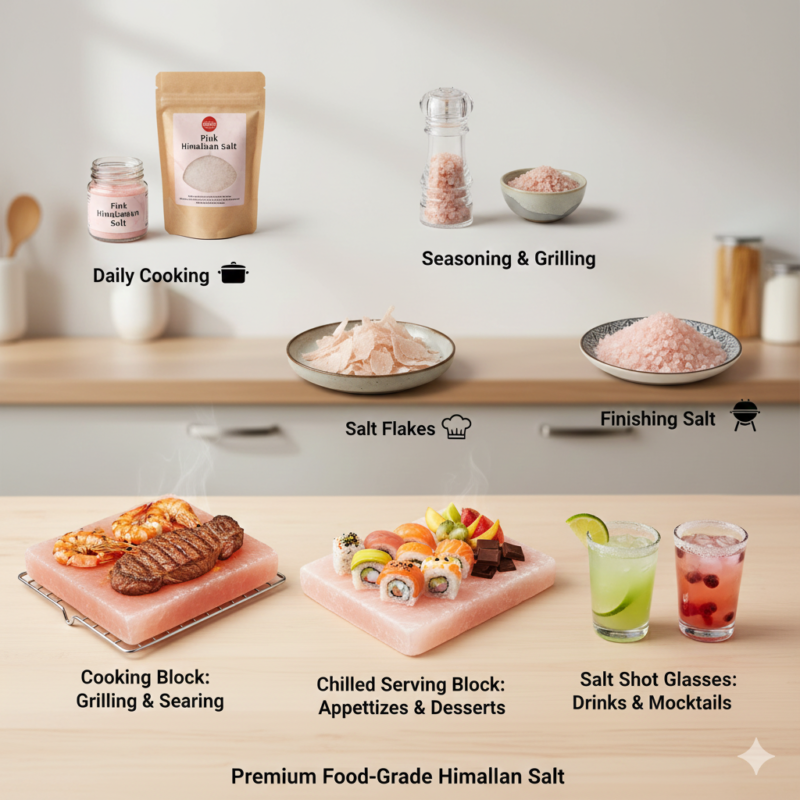
    Himalayan edible salt comes in several forms, including fine, coarse, and flakes—each suited for different kitchen needs. Fine salt works well for daily cooking, while coarse grains add texture to grilling and seasoning blends. Cooking blocks made from natural Himalayan salt can be heated for searing meat, fish, or vegetables, and cooled for serving sushi, fruit, or desserts. Popular recipe uses include grilled prawns, steak sear, and chilled chocolate treats. Salt shot glasses and servingware offer a fun way to present drinks or appetizers, adding a light mineral touch while creating a unique dining experience.

    Himalayan Salt Lamps

    Wellness products & spa uses

    Himalayan bath salts are widely used in home and professional spa routines for soaking, foot baths, and gentle exfoliation. Their mineral-rich profile helps create a calming experience, especially when paired with warm water. Foot detox pads made with pink salt are often used at night to support relaxation, while neti pots rely on finely ground Himalayan salt lamp for nasal cleansing. For safe use, always dissolve bath salts fully, avoid overly hot water, and follow proper hygiene when using neti pots. These wellness products offer simple, practical ways to add comfort and balance to daily routines.

    Salt lamps & ambient décor

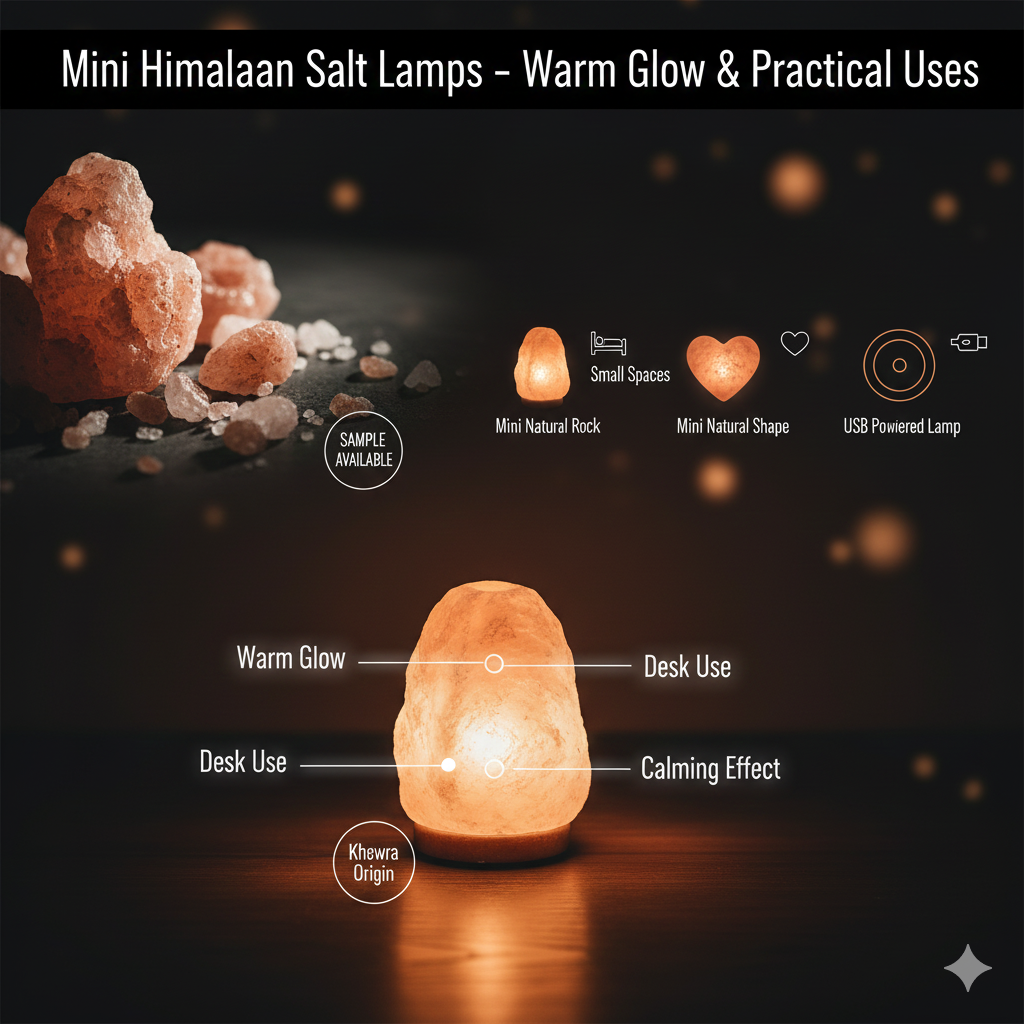
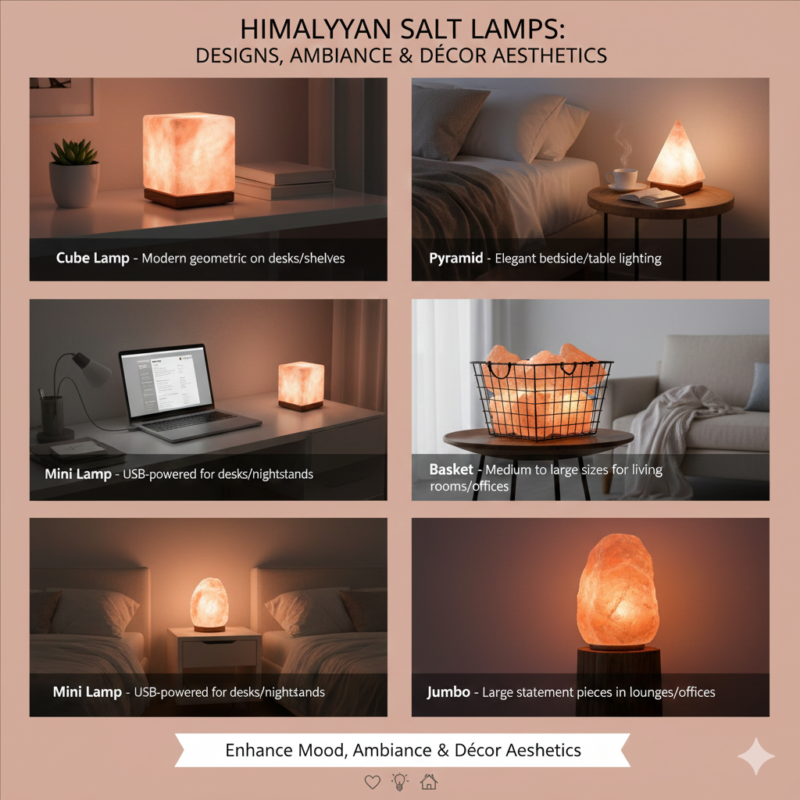
    Himalayan salt lamps come in several styles, including natural hand-carved pieces, crafted shapes like cubes or pyramids, USB mini lamps for desks, and metal basket lamps filled with salt chunks. Each type offers a warm, soft glow that adds comfort to bedrooms, offices, and wellness spaces. While many people enjoy them for their calming ambiance, it’s helpful to keep expectations realistic—salt lamps can support a relaxing atmosphere, but they are not medical devices. For décor or retail use, choosing the right size and design helps create a pleasant mood and matches different interior themes.

    Salt bricks, tiles & interior uses

    Himalayan salt bricks and tiles are widely used in home wellness rooms, spas, and commercial salt walls because they create a warm visual effect and a calm atmosphere. These blocks are usually installed with food-grade adhesive and low-heat LED panels to keep the structure stable. Since salt is naturally sensitive to moisture, it’s important to maintain controlled humidity and proper ventilation to prevent sweating or surface softening. Whether used for full salt rooms, meditation corners, or decorative panels, choosing consistent color grades and correct thickness ensures a long-lasting and visually balanced installation.

    Himalayan Salt Lamps

    Buying guide: food-grade vs non-food, certifications, and care instructions

    When selecting Himalayan salt products, understanding the difference between food-grade and non-food items is crucial. Food-grade salts are safe for cooking, eating, and serving, while non-food products like salt lamps or bath salts should never be ingested. Always check for certifications such as ISO, HACCP, or lab-tested mineral reports to ensure authenticity and safety. Proper care also extends product life: store edible salts in dry containers, wipe salt bricks with a dry cloth, and avoid exposing lamps to excessive moisture. Following these guidelines helps maintain quality, safety, and the natural benefits of each Himalayan salt product.

    Alternatives & Combinations — LED Lamps, Ceramic, Sea Salt Blocks

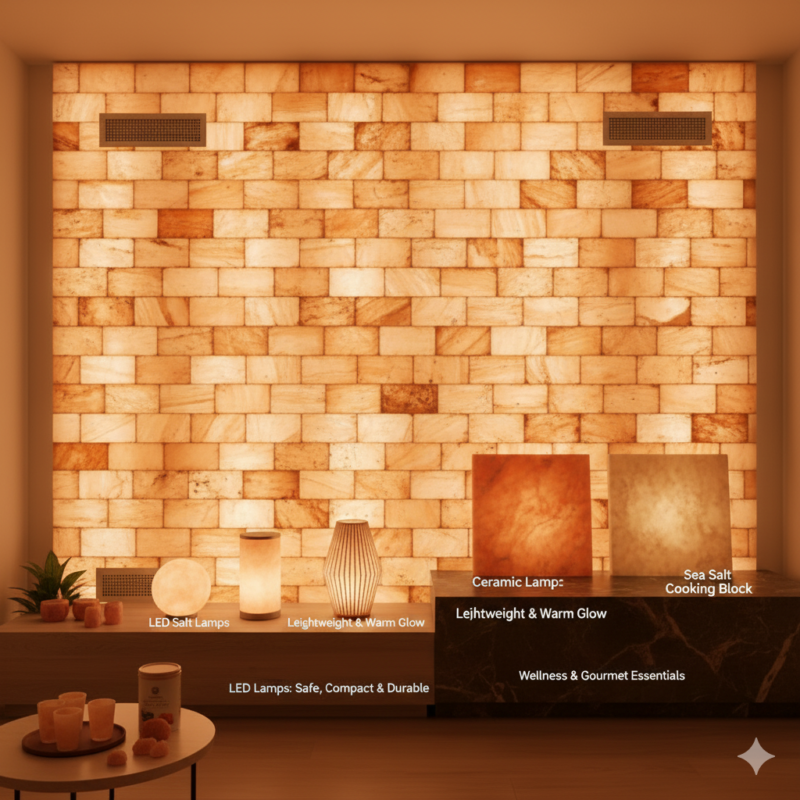
    While traditional Himalayan salt lamps and blocks are popular, alternatives like LED salt lamps and ceramic designs offer practical benefits. LED lamps reduce heat, last longer, and are safer for homes with children or pets. Ceramic lamps mimic the glow and décor appeal while being lightweight and durable. Sea salt blocks can be used alongside Himalayan cooking slabs for culinary variety or combined in spa settings. Retailers and enthusiasts often mix these products to create diverse décor and wellness offerings. Understanding these alternatives allows buyers to expand choices while maintaining aesthetic and functional appeal.

    Conclusion

    Pakistani Himalayan salt products combine quality, wellness, and décor versatility. Buyers should verify authenticity, consider lamp types and alternatives, and explore wholesale options. Download the full product catalog or request a sample today to experience genuine Khewra salt for your business or home.


    FAQ

    Q1: Is Himalayan salt safe for cooking and consumption?
    A1: Yes, choose food-grade Khewra salt, check packaging and lab certifications, and avoid decorative-only products.

    Q2: How should I maintain salt lamps?
    A2: Use recommended bulb wattage, wipe with a dry cloth, prevent moisture exposure, and inspect wiring regularly.

    Q3: What are key tips for salt brick or tile installation?
    A3: Ensure a dry surface, control humidity, use non-corrosive adhesives, and leave slight gaps for expansion.

    Q4: How do wholesale orders work?
    A4: Verify supplier, check MOQ, request samples, and confirm packaging and export readiness.

  • Why Pakistani Himalayan Salt Dominates the Global Market — Top Quality Insights

    Why Pakistani Himalayan Salt Dominates the Global Market — Top Quality Insights

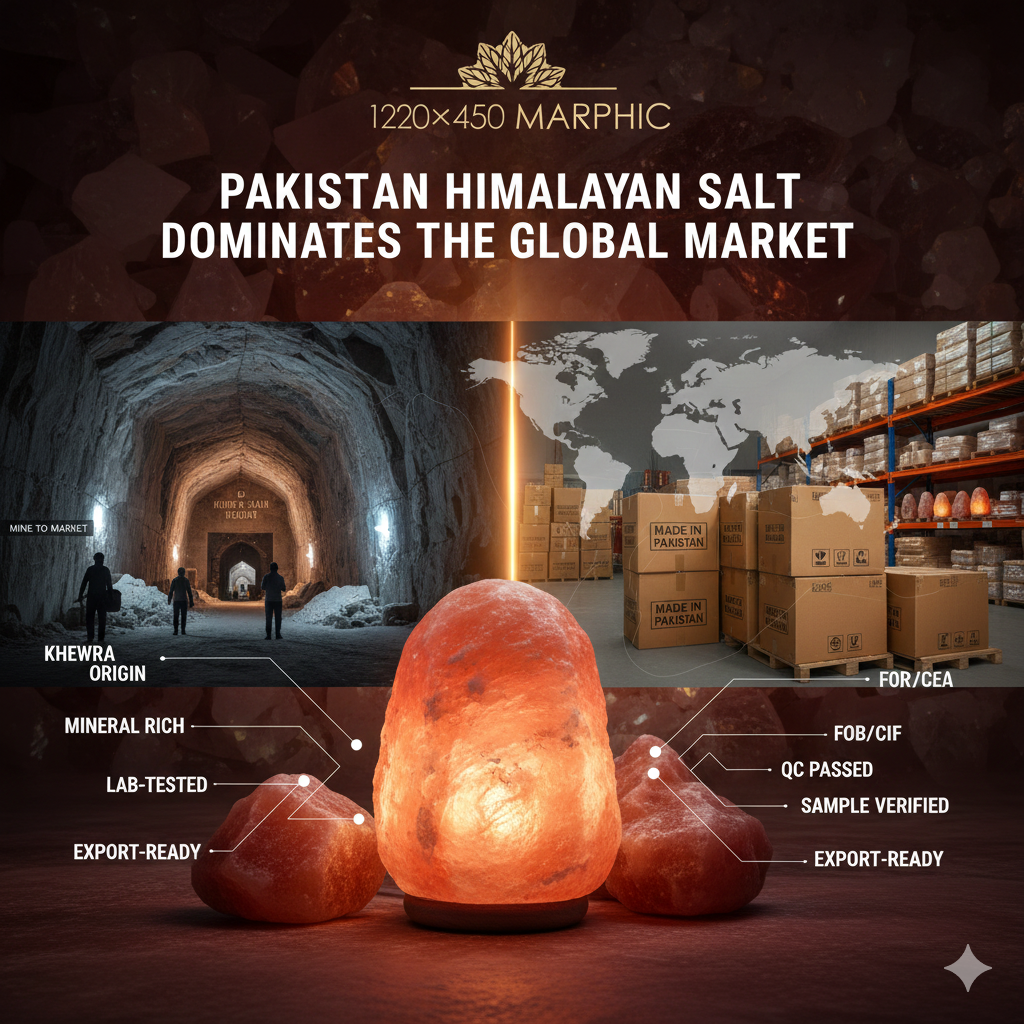
    Pakistani Himalayan salt, sourced primarily from the historic Khewra mines, is renowned worldwide for its natural pink hue, rich mineral composition, and consistent quality. Over the years, it has become a sought-after commodity in health, wellness, culinary, and décor markets across Europe, North America, and Asia. Its unique properties make it ideal for salt lamps, cooking blocks, and spa products. Understanding why Pakistani Himalayan salt dominates the global market helps retailers, exporters, and consumers make informed choices. In this guide, we explore its origin, mineral quality, global demand, and practical insights for buyers and businesses aiming to leverage this premium natural resource.


    Origin & Mineral Quality 

    The exceptional reputation of Pakistani Himalayan salt begins at the Khewra mines, one of the world’s oldest and largest salt reserves. Each salt crystal contains a rich mineral profile, including naturally occurring potassium, magnesium, and calcium, giving it the signature pink hue that distinguishes authentic Himalayan salt from imitations. Provenance matters: genuine Khewra salt ensures consistent quality, purity, and safety for use in lamps, cooking, and wellness products. Buyers and exporters are advised to verify origin, inspect mineral composition, and check for certifications to avoid counterfeit or low-grade products. Authenticity ensures the true benefits and global recognition of this prized natural resource.

    Mining Process 

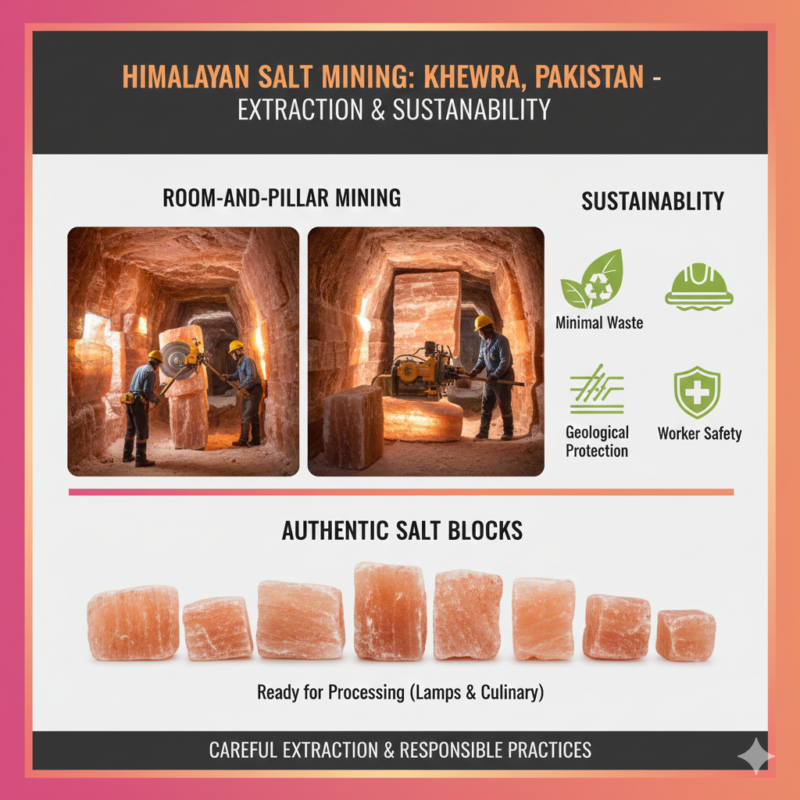
    Pakistani Himalayan salt mining in Pakistan follows the traditional room-and-pillar method, ensuring the structural safety of Khewra mines while maximizing salt extraction. Miners use a mix of hand tools and mechanical equipment depending on the scale and block size, balancing efficiency with careful preservation of crystal integrity. Sustainable practices are increasingly prioritized, including minimizing waste, protecting surrounding geology, and ensuring worker safety. Understanding these mining techniques helps buyers, exporters, and enthusiasts appreciate the effort behind each salt lamp or culinary block. Transparent sourcing from responsible mines not only guarantees authenticity but also supports long-term sustainability of Pakistan’s globally renowned Himalayan salt industry.

    Pakistani Himalayan salt

    Extraction & Grading 

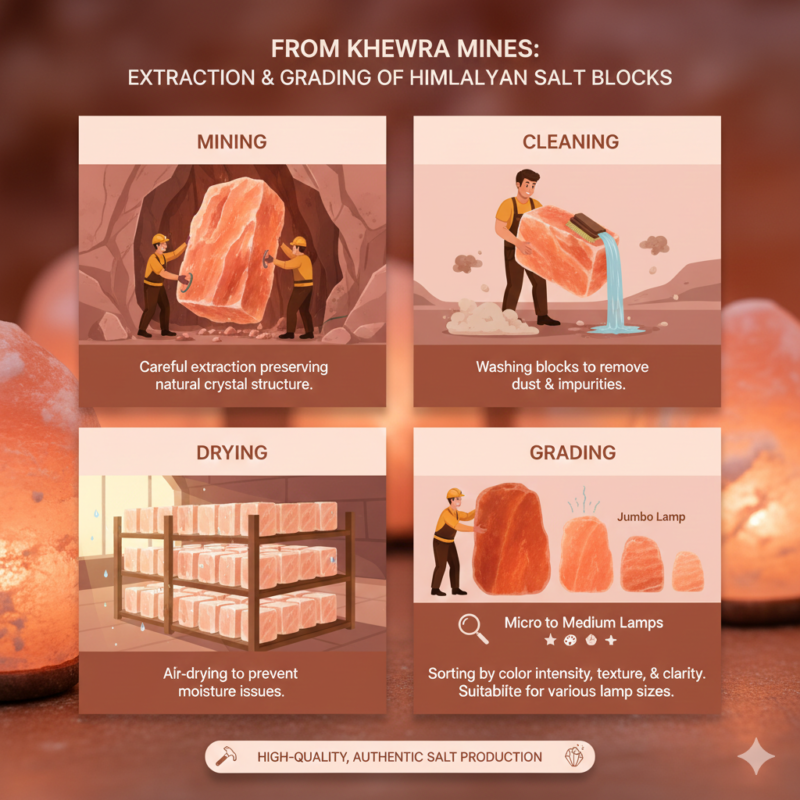
    Once Himalayan salt blocks are carefully mined from Khewra, the extraction process focuses on preserving crystal integrity. Workers sort the raw salt by size, color, and mineral density to ensure consistent quality for lamps and culinary use. Each block undergoes gentle washing to remove dust and impurities, followed by controlled drying to prevent cracking or moisture retention. Grading determines which blocks are suitable for jumbo lamps, mini décor pieces, or export-ready products. This meticulous process guarantees that every Himalayan salt lamp meets both aesthetic and functional standards, maintaining Pakistan’s reputation for high-quality, authentic pink salt products in the global market.

    Salt Lamp Types & Designs 

    Himalayan salt lamps come in a variety of shapes and sizes to suit different spaces and décor styles. Popular designs include cube, pyramid, and basket lamps, each offering a unique glow and ambiance. Mini lamps are perfect for bedside tables or small workspaces, while jumbo lamps serve as statement pieces in living rooms or offices. Some models feature USB connectivity for modern setups. The shape and size not only affect lighting but also influence the room’s mood, making it essential for buyers to choose a lamp that complements their interior while maximizing both visual appeal and functional benefits.

    Pakistani Himalayan salt


    Global Market Trends

    Pakistani Himalayan salt lamps have seen growing demand across Europe, North America, and the Middle East, driven by interest in wellness and home décor. Prices vary based on size, design, and purity, with mini lamps generally more affordable and jumbo or carved pieces fetching premium rates. Key importing countries include the USA, Germany, and the UAE, reflecting both retail and wholesale demand. Trade statistics indicate steady growth in export volumes year over year, highlighting Pakistan’s leading role in the global pink salt lamp market. Retailers and distributors benefit by understanding these pricing trends and country-specific preferences when sourcing.


    Export Preparation & Logistics 

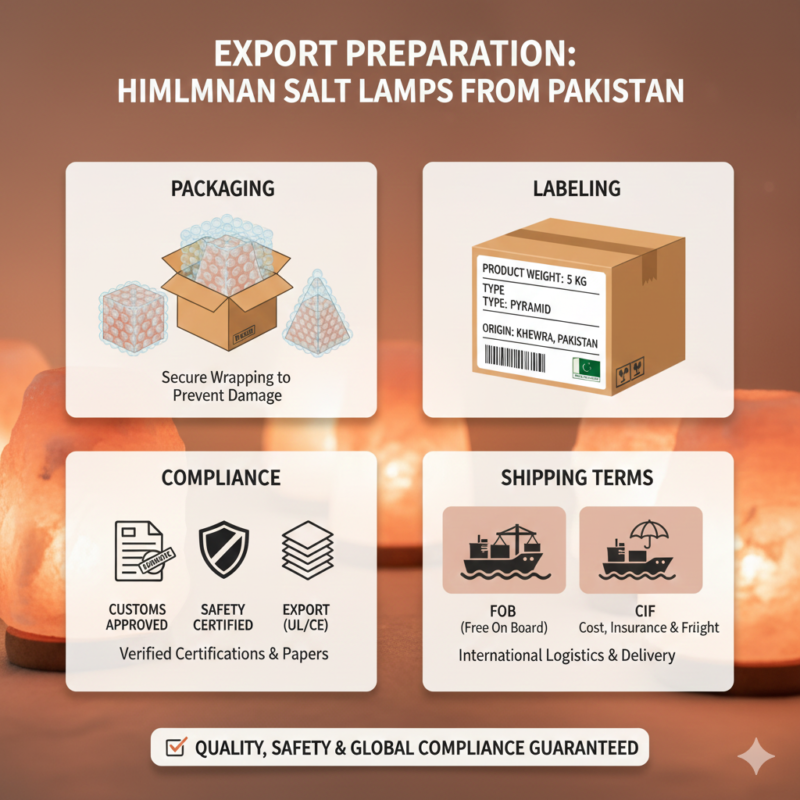
    Exporting Himalayan salt lamps from Pakistan requires careful attention to packaging, labeling, and shipping terms. Lamps are often individually wrapped in protective foam or pre-boxed for retail-ready presentation, ensuring crystal integrity during transit. Clear labeling with product weight, type, and origin (Khewra) helps with customs compliance and buyer confidence. Sample shipments are recommended to verify quality before bulk orders. Understanding FOB (Free on Board) and CIF (Cost, Insurance, Freight) terms is essential for negotiating costs with international buyers. Efficient logistics planning ensures lamps reach global markets safely, maintaining their premium value and reputation for quality and authenticity.

    Certifications & Quality Assurance 

    When sourcing or exporting Pakistani Himalayan salt lamps, certifications and quality assurance are critical. Authentic lamps from Khewra can be verified through lab testing that confirms mineral composition and purity. ISO certifications demonstrate that manufacturers follow standardized quality management practices, while UL or CE-approved cords ensure electrical safety for global markets. Retailers and wholesalers should request these documents before placing bulk orders. Proper certification not only protects end-users but also strengthens brand credibility. Regular quality checks, combined with traceability from mine to finished product, guarantee that each lamp meets international safety and authenticity standards, making them reliable for both domestic and export markets.

    Sustainability & Ethical Practices 

    Sustainability and ethical practices are increasingly important in Himalayan salt lamp production. Leading manufacturers in Pakistan follow eco-friendly mining techniques that reduce environmental impact while maintaining the integrity of Khewra salt deposits. Worker safety is prioritized with proper protective equipment, regulated shifts, and safe extraction methods, especially in hand-mined and mechanical operations. Zero-waste policies ensure that salt fragments and dust are either recycled into smaller lamps or used for other industrial purposes. Retailers and exporters should ask suppliers about their sustainability certifications and ethical sourcing policies. Supporting responsible manufacturers helps preserve the environment and ensures long-term availability of authentic Himalayan salt lamps.

    Wholesale Buyer Guide

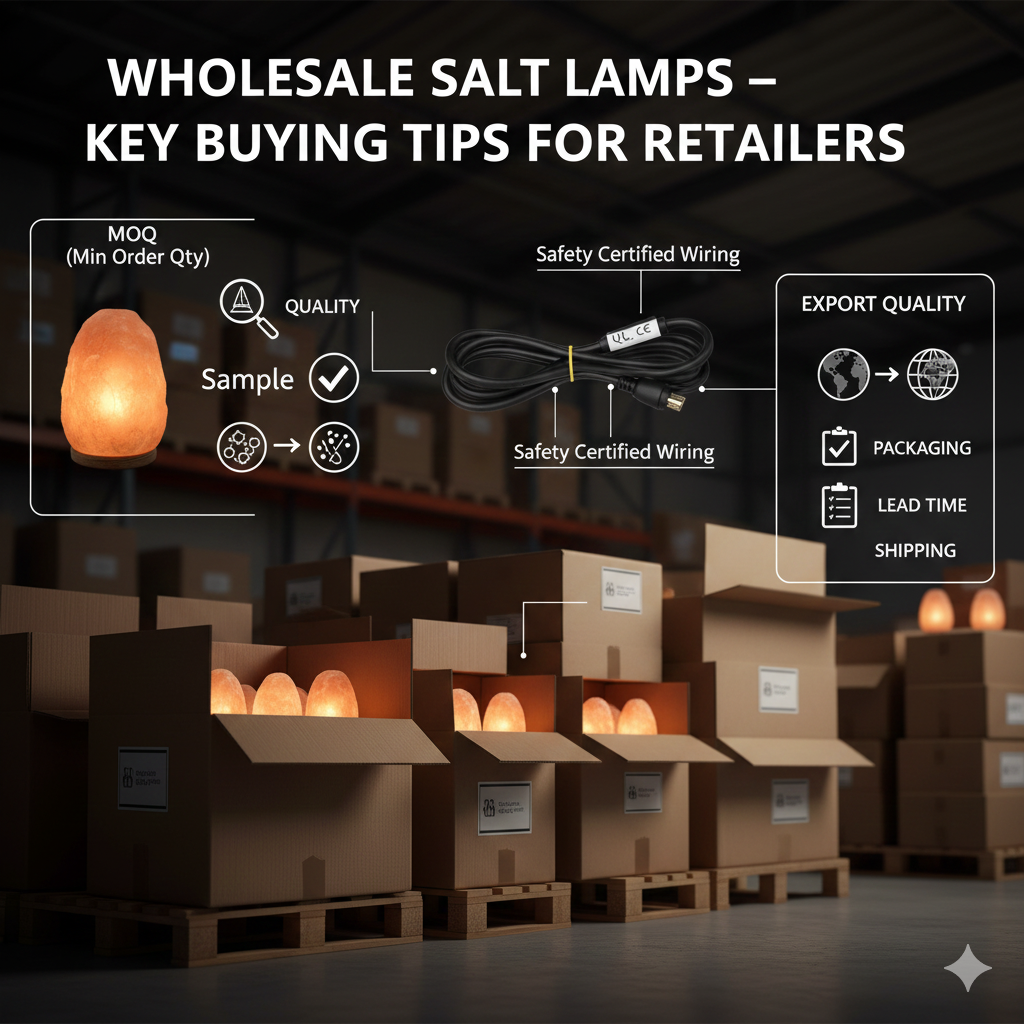
    For retailers and bulk buyers, understanding the wholesale process of Himalayan salt lamps is essential. Minimum order quantities (MOQ) vary by supplier and lamp type, with micro, bedside, and jumbo sizes influencing pricing. Vetting suppliers involves checking Khewra origin, lab-tested mineral composition, and UL/CE certified cords. Retail-ready SKUs often include pre-boxed units, gift sets, and clear labeling for easy store display. Before committing, request sample lamps to verify quality, authenticity, and packaging standards. Following these steps ensures that buyers receive genuine, high-quality Himalayan salt lamps suitable for resale, reducing risk and building customer trust.

    Health & Ambiance Benefits 

    Pakistani Himalayan salt lamps are popular for their subtle glow and calming presence, often used to enhance mood and promote relaxation. Many users report a sense of stress relief and improved sleep quality when lamps are placed in bedrooms, living rooms, or workspaces. While claims about negative ion generation exist, the most consistent benefits come from the warm ambient light and cozy atmosphere they create. It’s important to have realistic expectations: salt lamps support a soothing environment but are not a replacement for medical treatments. Incorporating them thoughtfully can enhance well-being, focus, and a tranquil home ambiance.

    Pakistani Himalayan salt

    Alternatives & Recommendations 

    For retailers looking to expand their Himalayan salt lamp offerings, LED and ceramic alternatives provide practical options. LED salt lamps mimic the warm glow of traditional salt crystals but consume less power and have longer-lasting bulbs, making them ideal for high-traffic stores or office settings. Ceramic salt lamps offer durability and lighter weight, suitable for gift sets or bulk displays. Retailers can combine these options with natural salt lamps to meet diverse customer preferences while maintaining décor appeal. Choosing a mix of traditional, LED, and ceramic lamps allows businesses to cater to various budgets, aesthetics, and functional


    Conclusion 

    Pakistani Himalayan salt leads the global market thanks to Khewra’s rich mineral composition, consistent quality, and centuries of mining expertise. Its authentic pink crystals, carefully extracted using room-and-pillar methods, meet both decorative and wellness demands worldwide. Retailers and buyers benefit from verified suppliers offering export-ready SKUs, lab-tested authenticity, and proper certifications like ISO and UL/CE. To secure the best products, request samples, confirm Khewra provenance, check packaging and cord safety, and clarify shipping terms like FOB or CIF. Following these steps ensures authentic, high-quality Himalayan salt lamps that appeal to global buyers and maintain Pakistan’s strong reputation.

    FAQS

    Q1: How is Himalayan salt mined in Khewra?
    A1: Mining uses room-and-pillar methods, with both hand and mechanical extraction to preserve crystal integrity.

    Q2: What certifications should I request from suppliers?
    A2: Ask for lab-tested mineral reports, ISO compliance, and UL/CE cord verification for safety.

    Q3: How can I verify authenticity for wholesale orders?
    A3: Check Khewra provenance, supplier photos, and lab test results.

    Q4: What are standard wholesale MOQ and sample policies?
    A4: MOQ varies by supplier; request sample units before placing bulk orders.

    Q5: How should I handle export logistics?
    A5: Clarify packaging, labeling, FOB/CIF terms, and sample shipment options.

  •  Wholesale Salt Lamps: What Retailers Should Know Before Buying

     Wholesale Salt Lamps: What Retailers Should Know Before Buying

    When you’re planning to buy wholesale Himalayan salt lamps, a few points matter the most: clear pricing, MOQ clarity, trusted export processes, and proper supplier vetting. Retailers often compare top manufacturers based on product quality, lab-tested authenticity, and shipment reliability. With the right information, you can choose a supplier who offers stable rates, safe packaging, and genuine Khewra salt lamps that meet international export standards. This guide gives you all the essentials to help you make confident decisions.

    Why Wholesale Salt Lamps Sell Well

    Wholesale Himalayan salt lamps continue to attract strong demand across multiple retail channels. Their natural look, warm glow, and mineral-rich composition make them popular in home décor stores, wellness boutiques, gift shops, and online marketplaces. Buyers look for genuine Khewra salt lamps because they offer better color, crystal quality, and long-term durability. Retailers also benefit from steady repeat orders since customers often purchase more than one lamp for bedrooms, offices, and spa spaces. With rising interest in natural décor and handmade products, salt lamps remain a reliable category for bulk sellers.

    Pricing & MOQ (Weight Bands, FOB vs Retail Price Suggestions)

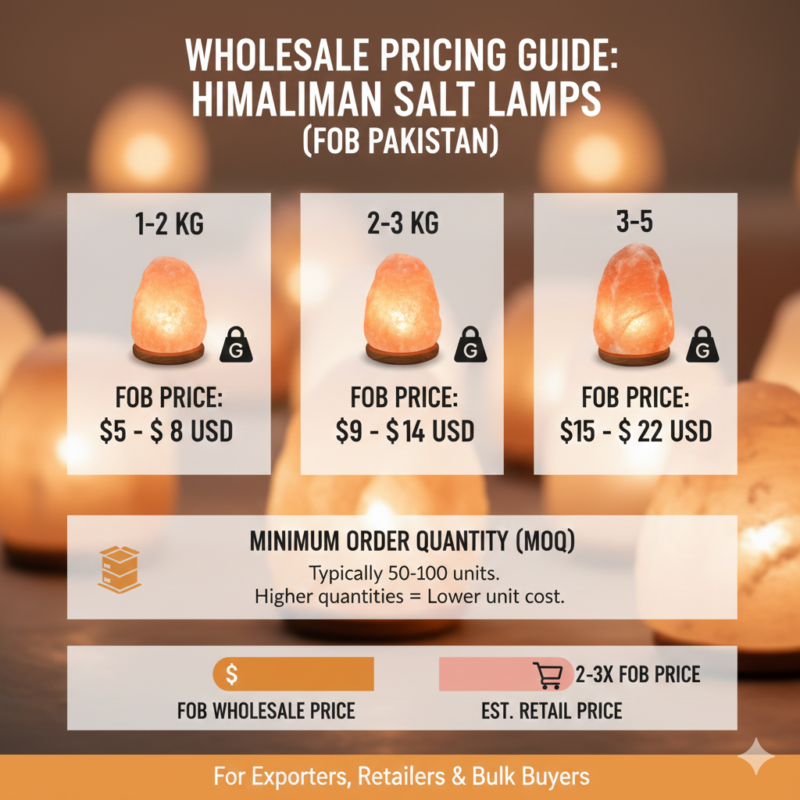
    Wholesale salt lamp pricing usually depends on weight bands, crystal grade, and finish quality. Most suppliers follow standard categories like 1–2 kg, 2–3 kg, and 3–5 kg lamps, each with its own FOB rate. Retailers buying in bulk often get better margins when choosing higher MOQs, especially for popular sizes. FOB prices stay lower, while retail prices vary based on packaging, branding, and country of sale. For most markets, retailers comfortably price a 2–3 kg genuine Himalayan salt lamp at two to three times the FOB cost, ensuring stable profits and predictable demand.

    Wholesale Salt Lamps


    How to Vet Suppliers (Khewra Origin, Lab Tests, UL/CE Cord, Photos)

    Choosing the right wholesale salt lamp supplier starts with confirming genuine Khewra origin, since real lamps come from this specific Himalayan region. Always ask for lab test reports that show mineral composition and verify that the product meets export standards. A good supplier will also provide UL or CE-certified cords, especially for US and EU shipments. Request clear product photos, packaging samples, and batch details to check consistency. Reliable exporters share traceability information, respond quickly, and openly explain their production process, helping retailers avoid fake or low-grade salt lamps.

     Product SKUs & Retail-Ready Packaging (Pre-Boxed Units, Gift Sets)

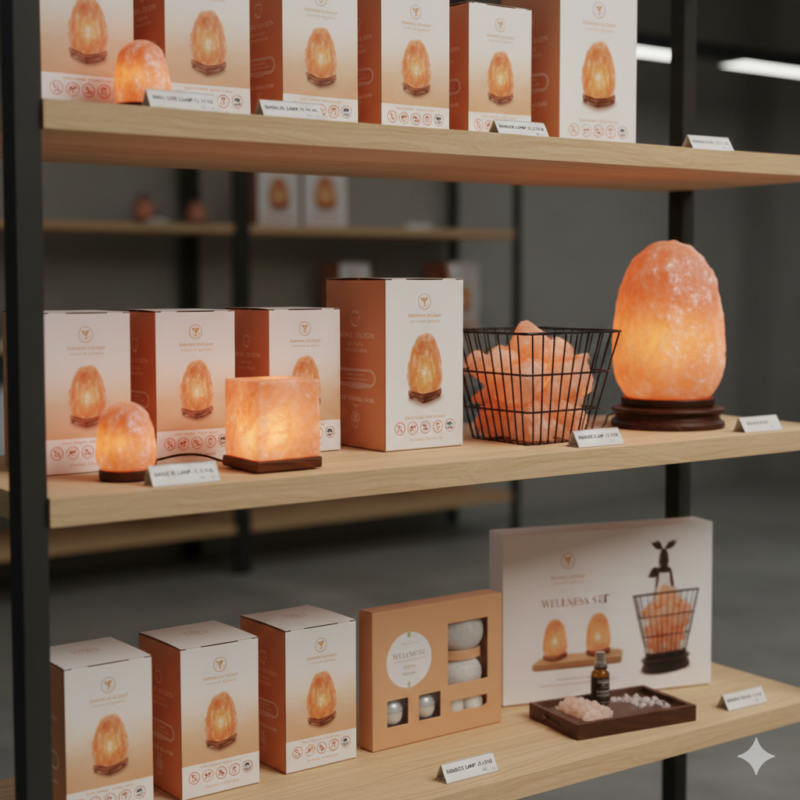
    Retailers selling wholesale salt lamps benefit from having clear SKUs for each size, weight band, and design—such as pyramid, cube, basket, USB mini, and jumbo lamps. Well-organized SKUs make inventory smoother and help buyers compare product options. Many suppliers now offer retail-ready packaging, including pre-boxed units with safety inserts, care instructions, and barcodes. Gift sets are also popular because they bundle multiple lamps or accessories in one curated package. When lamps arrive ready for shelf placement or online listing, retailers save time and can launch new products faster with consistent branding.

    Wholesale Salt Lamps

    Product SKUs & Retail-Ready Packaging (Pre-Boxed Units, Gift Sets)

    Retailers selling wholesale salt lamps benefit from having clear SKUs for each size, weight band, and design—such as pyramid, cube, basket, USB mini, and jumbo lamps. Well-organized SKUs make inventory smoother and help buyers compare product options. Many suppliers now offer retail-ready packaging, including pre-boxed units with safety inserts, care instructions, and barcodes. Gift sets are also popular because they bundle multiple lamps or accessories in one curated package. When lamps arrive ready for shelf placement or online listing, retailers save time and can launch new products faster with consistent branding.

    Export Readiness & Logistics (Sample Shipments, Packing Specs, Shipping Terms)

    For retailers and distributors, understanding export readiness is crucial when buying wholesale Himalayan salt lamps. Suppliers often provide sample shipments so buyers can verify quality, packaging, and lamp authenticity before placing bulk orders. Proper packing includes sturdy boxes, protective foam, and moisture-resistant materials to prevent sweating or breakage during transit. Shipping terms such as FOB (Free on Board) or CIF (Cost, Insurance, Freight) should be clearly defined to avoid misunderstandings. Retailers should also confirm customs documentation, labeling, and insurance coverage. Careful planning of export logistics ensures lamps arrive safely and are ready for immediate sale.

    Compliance & Certifications to Request (Cord, RoHS Where Needed)

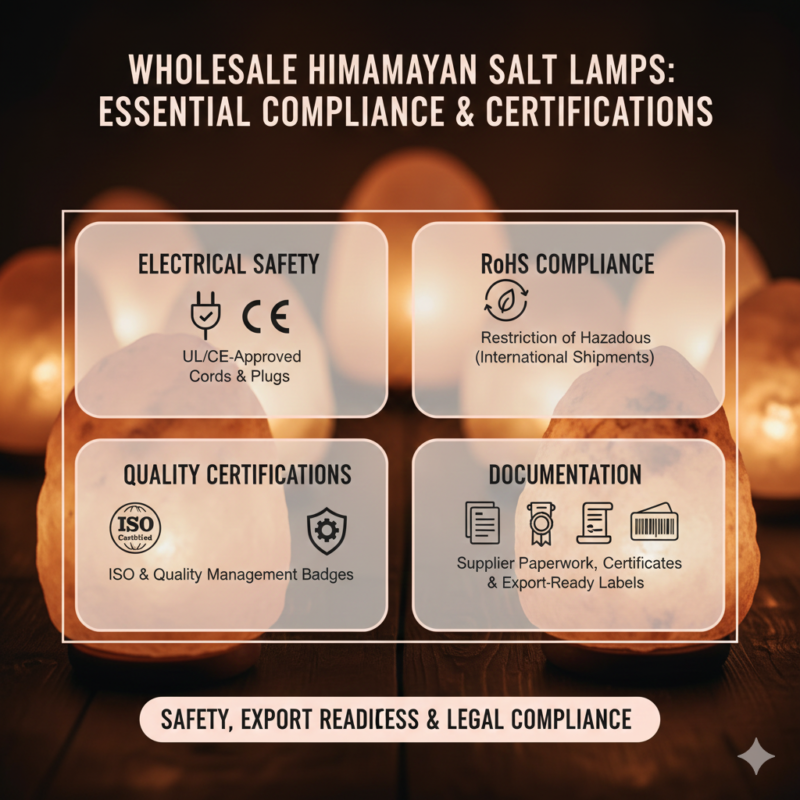
    When sourcing wholesale Himalayan salt lamps, verifying supplier compliance and certifications is essential for safety and export standards. Retailers should request documentation for UL or CE-approved cords, ensuring electrical safety for end users. For international shipments, checking RoHS compliance confirms that lamps meet restrictions on hazardous substances. Additional certifications, such as ISO or quality management certificates, can provide further assurance of consistent product quality. Confirming these documents before purchase not only protects customers but also prevents shipment delays at customs. A thorough compliance check ensures your wholesale lamps are safe, market-ready, and legally exportable.

    Wholesale Salt Lamps

    Sustainability & Ethical Sourcing (What to Ask Manufacturers)

    Before buying wholesale Himalayan salt lamps, retailers should ask manufacturers about sustainable mining practices and ethical labor standards. Confirm that the Khewra salt extraction avoids environmental degradation, maintains safe working conditions, and reduces waste. Inquire about policies for responsible energy use during production, recycling of scrap salt, and community support initiatives. Suppliers who prioritize ethical sourcing not only protect the environment but also enhance brand credibility with conscious consumers. Asking these questions ensures your wholesale purchase aligns with global sustainability standards, meets growing buyer expectations, and supports a transparent, responsible supply chain for Himalayan salt lamps.

    Conclusion

    Before placing a bulk order, start by requesting a sample from your chosen Himalayan salt lamp supplier to verify quality, mineral composition, and craftsmanship. Check that all cords meet UL or CE certification standards to ensure safety compliance. Ask for FOB or CIF shipping quotes, including packaging specifications, lead times, and customs requirements, so you can plan logistics efficiently. Confirm MOQs, labeling, and retail-ready packaging to avoid surprises. Following these steps helps retailers source authentic Khewra-origin salt lamps confidently, minimize risks, and build a reliable supply chain for profitable sales.

    FAQ

    Here are common questions retailers ask when buying wholesale Himalayan salt lamps:

    Q1: What is the minimum order quantity (MOQ) for wholesale lamps?
    A1: Most suppliers set an MOQ based on weight or units, often starting from 50–100 lamps per SKU.

    Q2: Can I request samples before bulk purchase?
    A2: Yes, reputable manufacturers provide sample lamps, usually at a small fee or discounted rate.

    Q3: What are typical lead times for bulk orders?
    A3: Standard production and shipping range from 2–6 weeks, depending on quantity and customization.

    Q4: Which certifications should I request?
    A4: Ask for UL/CE cords, RoHS compliance, and proof of Khewra origin.

  •  How Himalayan Salt Lamps Are Made –  From Mine to Market

     How Himalayan Salt Lamps Are Made – From Mine to Market

    Himalayan salt lamps have captured global attention for their unique pink glow and reputed health and ambiance benefits. At the heart of this production is the Khewra Salt Mine in Pakistan, one of the world’s oldest and largest salt mines, known for its high-quality pink salt. From hand-mined blocks to carefully carved lamps, Pakistan’s salt lamp industry combines traditional expertise with modern manufacturing techniques. Increasing international demand has made these lamps not just a décor item but a sought-after export product. In this article, we’ll explore how Himalayan salt lamps are made, the mining process, and why Khewra remains central to their authenticity.


    Origin & Mineral Quality 

    Himalayan salt lamps originate from the Khewra Salt Mine in Pakistan, a region renowned for its rich pink salt deposits. The unique mineral composition, including trace elements like magnesium, potassium, and calcium, gives these lamps their distinctive color and crystalline texture. Authenticity is key—genuine Khewra salt lamps are valued for their natural mineral quality, uniform glow, and solid structure. Counterfeit or imported salts often lack the same mineral profile and may fade or crumble over time. Understanding the provenance and mineral composition helps buyers ensure they are investing in a true Himalayan salt lamp with both aesthetic and potential wellness benefits.

    Himalayan salt lamps


    Mining Process

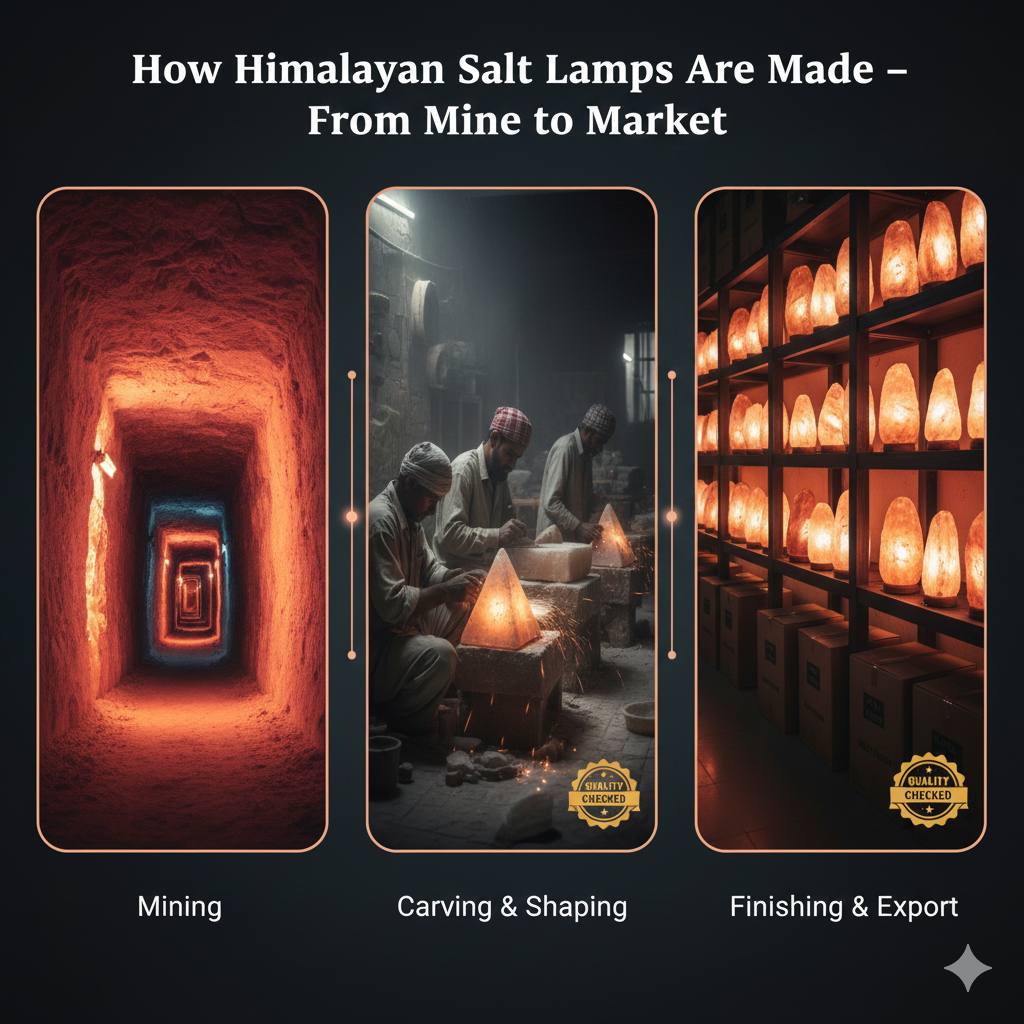
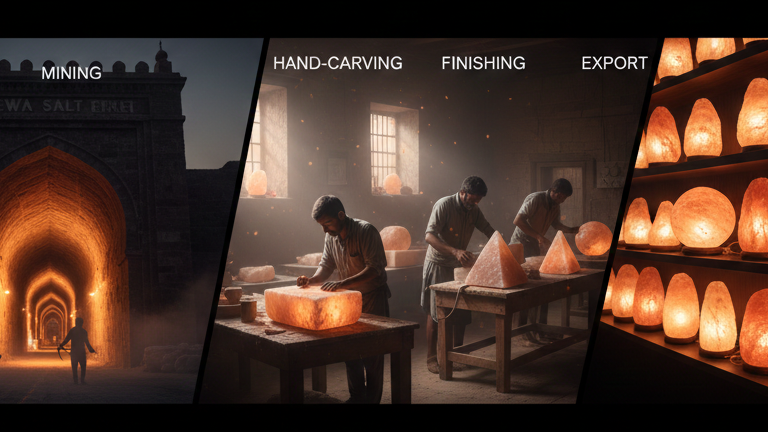
    Himalayan salt lamps begin their journey deep within the Khewra Salt Mine, where skilled miners follow a careful mining process. Initially, surveying identifies high-quality salt deposits, followed by precise drilling and controlled blasting to extract large salt blocks. The room-and-pillar method ensures structural safety while minimizing waste. Depending on the scale, miners use hand tools or mechanical equipment to remove salt blocks, preserving the natural crystalline structure. Each extracted block is then inspected for clarity, color, and purity. Understanding this mining process highlights the craftsmanship behind authentic Himalayan salt lamps and explains why their mineral-rich composition and natural glow are highly prized worldwide.

    Extraction & Grading 

    Once salt blocks are carefully mined from the Khewra Mine, the extraction and grading process begins. Workers remove each block while preserving the natural crystal structure, ensuring the salt retains its mineral integrity and aesthetic appeal. The blocks are then washed to remove dust and impurities, followed by thorough drying to prevent moisture-related issues. After drying, salt blocks are meticulously sorted and graded based on color intensity, texture, and clarity. This grading determines their suitability for various Himalayan salt lamp types—from micro to jumbo sizes—and guarantees that only high-quality, authentic salt reaches manufacturers and exporters for crafting premium lamps.

    Himalayan salt lamps


    Lamp Types & Designs 

    Himalayan salt lamps are crafted in a variety of designs to suit different spaces and décor styles. Popular shapes include cube, pyramid, and basket forms, each offering a unique aesthetic and light diffusion. Mini lamps are ideal for desks or bedside tables, while jumbo lamps make a striking centerpiece in living rooms or offices. The natural pink and white hues complement modern and traditional interiors, creating a warm, calming ambiance. Careful placement—near workspaces, bedrooms, or meditation corners—enhances mood and relaxation. Choosing the right lamp size and design ensures both visual appeal and functional benefits, making your space soothing and inviting.

    Export Preparation

    Preparing Himalayan salt lamps for export involves careful packaging, labeling, and compliance checks to ensure products reach international buyers safely. Each lamp, whether cube, pyramid, or basket, is securely wrapped to prevent chipping or moisture damage during transit. Proper labeling includes product weight, type, and origin from Khewra mines, which helps verify authenticity. Exporters must follow documentation requirements, including customs declarations and safety certifications. Understanding shipping terms like FOB (Free on Board) and CIF (Cost, Insurance, and Freight) is crucial for cost calculation and logistics planning. These steps ensure that Pakistani salt lamps maintain quality, comply with regulations, and arrive in pristine condition.

    Himalayan salt lamps

    Health & Ambiance Benefits 

    Himalayan salt lamps are cherished not just for their warm glow but also for their calming effect on mood and stress. Many users report that the soft, ambient light helps create a relaxing atmosphere, supporting better sleep and a sense of emotional balance. While claims about ionization and air purification are often exaggerated, the psychological benefits are real—helping reduce tension during meditation or quiet moments. Placing lamps in bedrooms, living rooms, or workspaces can subtly enhance well-being. Understanding realistic expectations ensures users enjoy the soothing ambiance without expecting miracle health effects from the salt lamps alone.

    Sustainability & Ethical Practices

    Responsible Himalayan salt lamp production in Pakistan emphasizes eco-friendly mining and ethical labor practices. Mines in Khewra are adopting measures to reduce environmental impact, including careful extraction techniques that prevent over-harvesting and preserve natural crystal formations. Worker safety is a top priority, with proper equipment, training, and monitoring to minimize accidents. Many manufacturers aim for zero-waste processes, repurposing leftover salt fragments for smaller lamps or decorative items. By choosing suppliers committed to sustainability and ethical standards, buyers not only receive authentic, high-quality lamps but also support practices that protect the environment and local communities for future generations.

    Buyer Tips

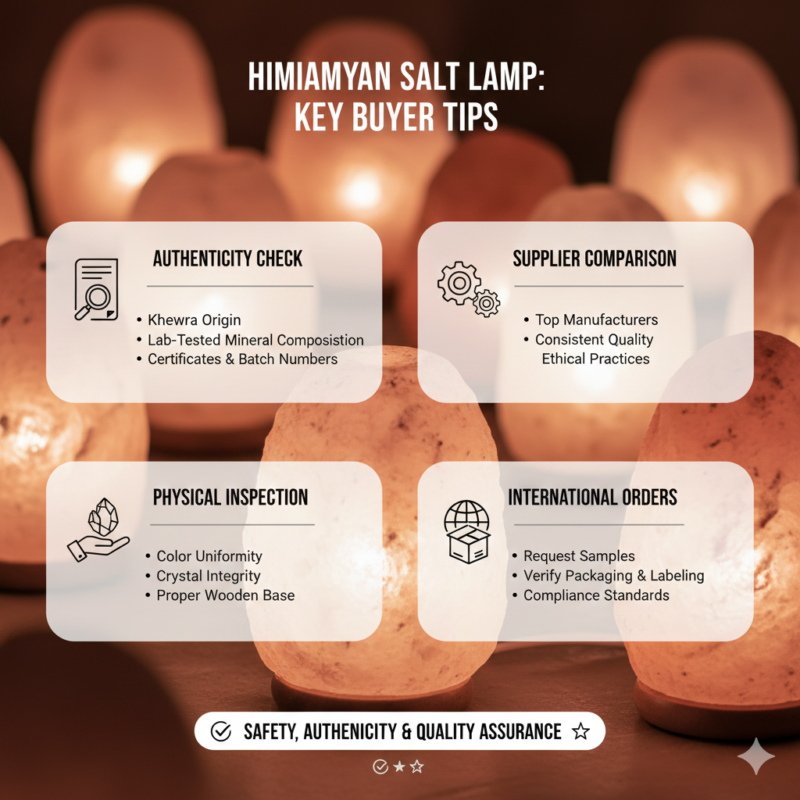
    When purchasing Himalayan salt lamps, especially for export or high-value use, verifying authenticity is essential. Start by checking Khewra provenance through supplier documentation and lab-tested mineral composition reports. Traceability matters—reputable manufacturers provide batch numbers, certificates, or lab results confirming genuine pink salt. Compare multiple suppliers, focusing on top manufacturers with consistent quality and ethical practices. Inspect lamps physically for uniform color, crystal integrity, and proper wooden bases. For international buyers, request samples before bulk orders and clarify packaging, labeling, and compliance standards. Following these steps ensures buyers receive authentic, high-quality Himalayan salt lamps while avoiding counterfeit or low-grade products.

    Himalayan salt lamps

    Conclusion 

    Himalayan salt lamps undergo a meticulous journey from the Khewra mines to homes worldwide, reflecting Pakistan’s expertise and mineral-rich resources. From careful mining and grading to diverse lamp designs like cubes, pyramids, and baskets, every step emphasizes quality and authenticity. Export preparation, including packaging, labeling, and compliance, ensures lamps meet international standards. Buyers benefit from verifying provenance, lab tests, and supplier traceability to avoid counterfeits. Beyond aesthetics, these lamps offer subtle ambiance and wellness benefits. Understanding the full production, quality assurance, and export process empowers consumers and traders to make informed, confident decisions when purchasing Himalayan salt lamps from Pakistan.

    FAQ


    Q1: What mining techniques are used in Khewra for salt lamp production?
    A1: Khewra mines use a combination of room-and-pillar and hand-mining techniques. Workers carefully drill and extract salt blocks to preserve crystal integrity, sometimes using mechanical tools for larger extractions.

    Q2: How do cube, pyramid, basket, mini, and jumbo lamps differ in design and placement?
    A2: Cube lamps suit desks or small tables, pyramid lamps add elegance to living spaces, baskets work well in ambient décor, mini lamps for bedside, and jumbo lamps for large rooms or halls.

    Q3: How can I verify the authenticity and Khewra origin of a lamp?
    A3: Check for natural pink-orange hues, solid crystal texture, origin certificate from the supplier, and avoid overly uniform or synthetic-looking lamps.

    Q4: What are the export requirements and compliance documents for international buyers?
    A4: Export-ready lamps need proper packaging, labeling, customs clearance documents, and sometimes ISO or safety compliance certificates for electrical components.

    Q5: How are eco-friendly mining and sustainable practices implemented?
    A5: Responsible suppliers minimize waste, follow safe mining practices, recycle debris, and ensure worker safety, preserving the mine’s long-term viability.

    Q6: What safety and maintenance tips ensure longevity of Himalayan salt lamps?
    A6: Use recommended bulb wattage, avoid excessive moisture, wipe with a dry cloth, protect wooden bases, and inspect wiring regularly to prevent hazards.

  • Top Himalayan Salt Lamp Manufacturers & Exporters in Pakistan

    Top Himalayan Salt Lamp Manufacturers & Exporters in Pakistan

    Salt Lamp Manufacturers in Pakistan is known worldwide for producing authentic Himalayan salt lamps, especially those sourced from the Khewra region. In this guide, you’ll learn about the leading manufacturers, trusted exporters, and the product ranges they offer—from natural salt lamps to USB and carved designs. You’ll also understand how to compare suppliers, check authenticity, review export options, and evaluate quality before placing a bulk or wholesale order. Whether you’re a reseller, importer, or décor buyer, this section will help you choose reliable salt lamp suppliers in Pakistan with confidence.

    Why Pakistan Leads the Himalayan Salt Lamp Industry

    Pakistan is home to the Khewra Salt Mine, the world’s main source of authentic Himalayan rock salt used in natural and carved salt lamps. This region is known for its rich mineral composition, warm pink-orange tones, and durable crystal structure, making the lamps both visually appealing and long-lasting. Local artisans have decades of experience shaping raw salt into cubes, pyramids, baskets, and jumbo pieces. Because the salt is mined, crafted, and finished within the same region, Pakistan maintains strong quality control—one of the key reasons its Himalayan salt lamps are trusted by global buyers and exporters.

    Top Manufacturers & Exporters in Pakistan

    Pakistan hosts several well-known Himalayan salt lamp manufacturers trusted by local and international buyers. Ittefaq Salt is one of the largest exporters, offering bulk salt lamps, customized shapes, and strict quality control from Khewra to shipment. Gama Salt focuses on handcrafted designs, basket lamps, and wholesale orders with reliable packaging for global exports. Himalayan Decor International supplies a wide range of lamps for home décor, including pyramids, cubes, nightlights, and jumbo pieces, with strong customer feedback. These companies stand out due to consistent stone quality, skilled craftsmanship, and dependable export services for both small and bulk buyers.

    Salt Lamp Manufacturers

    Product Ranges & Export-Ready SKUs

    Pakistan’s leading salt lamp exporters offer a wide variety of export-ready SKUs to meet international market demand. Natural Himalayan salt lamps remain the most ordered category, available in multiple weights from micro pieces to jumbo sizes. Carved designs such as cubes, pyramids, spheres, and heart-shaped lamps cater to décor-focused buyers. USB salt lamps are popular for office use, while basket lamps combine metal frames with glowing salt chunks for a stronger ambiance effect. Exporters typically provide bulk cartons, clear labeling, and standardized photos with proper alt text, making it easier for global retailers to list these products online.

    How to Buy Wholesale

    Buying Himalayan salt lamps in bulk from Pakistani manufacturers is simple when you know what to check. Most exporters offer MOQ ranges from 50 to 300 pieces, depending on lamp type and size. Pricing signals are helpful—steady rates and clear per-kg quotes usually indicate genuine Khewra salt. Many suppliers support private labeling, custom boxes, and barcodes for retail-ready shipments. Always confirm packaging standards, especially foam inserts and moisture control for sea freight. Lead times typically run 7–20 days for standard orders, and longer for carved or branded designs. Clear communication ensures smooth and reliable wholesale buying.

    Certifications & Compliance

    When sourcing wholesale Himalayan salt lamps, it’s important to confirm that your supplier meets basic compliance standards. Reliable exporters usually provide export documents, including commercial invoices, packing lists, and certificates of origin confirming Khewra salt. Many established manufacturers also hold ISO certifications for quality management and production processes. For markets like the USA or EU, you can request details on electrical safety checks, bulb standards, and RoHS-compliant wiring. Asking for clear documentation not only protects your shipment but also helps you ensure that every lamp meets safety and import requirements before it reaches your buyers.

    Salt Lamp Manufacturers

    Quality, Origin & Traceability

    Authentic Himalayan salt lamps come from the Khewra mines, so confirming true Khewra provenance is the first step when selecting a manufacturer or exporter. Reputable suppliers provide batch details, mine-source verification, and clear production records that show how each lamp was carved and finished. Some large buyers also request lab testing for mineral composition, moisture levels, and impurity checks to ensure consistent quality across shipments. Traceability reports, along with high-resolution product photos, help you confirm that the salt is genuine and not mixed with lower-grade rock salt. This simple verification process protects your brand and customers.

    Logistics & Shipping Basics

    When buying Himalayan salt lamps from Pakistan, understanding FOB and CIF shipping terms is essential. Most exporters allow sample shipments before placing large orders, helping you verify quality and packaging. For international buyers, proper documentation and customs clearance are crucial to avoid delays or extra charges. Packaging should protect delicate lamps, especially carved or basket designs, from moisture and breakage during transit. Communicating with suppliers about lead times, preferred carriers, and insurance ensures a smooth import process. Clear logistics planning not only reduces risk but also ensures your lamps arrive safely and maintain their authentic Khewra salt quality.

    Sustainability & Ethical Sourcing

    Himalayan salt lamp production in Pakistan relies on careful mining of the Khewra salt deposits, one of the world’s oldest and largest. Responsible suppliers follow ethical sourcing practices to minimize environmental impact, including controlled extraction and proper waste management. Sustainable mining ensures that the salt’s mineral quality remains intact while protecting local ecosystems. Buyers should ask manufacturers about their environmental policies, labor standards, and reclamation efforts. Choosing exporters who prioritize sustainability not only supports ethical business but also guarantees authentic, high-quality lamps. Awareness of mining impacts helps buyers make informed decisions for both their health and the planet.

    Conclusion

    To buy confidently, request samples, verify certificates and compliance, and if possible, visit the factory to inspect production, ensuring authentic, high-quality Himalayan salt lamps.

    FAQ (Schema-Ready)

    Q1: What is the minimum order quantity (MOQ) for Himalayan salt lamps?
    A1: Most manufacturers have MOQs ranging from 50–200 units, depending on lamp type and customization.

    Q2: Can I request samples before placing a bulk order?
    A2: Yes, exporters usually provide sample shipments for evaluation, often with shipping costs applied.

    Q3: Which certifications should I verify?
    A3: Ask for ISO, export documents, and any safety or lab testing certificates to ensure quality and compliance.

    Q4: What are typical delivery times for wholesale orders?
    A4: Lead times range from 2–6 weeks depending on quantity, lamp type, and shipping method.