Blog

  •  Why Pakistan Produces the World’s Best Salt Lamps — Quality & Craft

     Why Pakistan Produces the World’s Best Salt Lamps — Quality & Craft

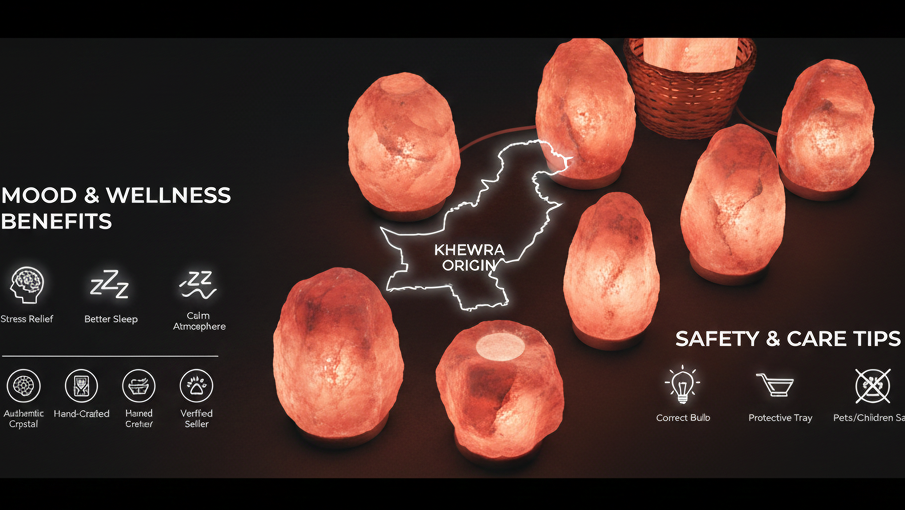
    Pakistani World’s Best Salt Lamps are renowned worldwide for their natural pink glow, unique mineral composition, and craftsmanship. Sourced mainly from the Khewra salt mines—the second largest in the world—these lamps are valued for both décor and well-being benefits, including mood enhancement and a calming ambiance. Their global reputation stems from their authenticity, natural purity, and distinctive shapes, from cubes to pyramids. With the rising popularity of Himalayan salt lamps, ensuring authenticity has become crucial to avoid fakes or low-quality imports. This guide will explore why Pakistan produces the world’s best salt lamps and how to choose genuine, high-quality pieces.

    Origin & Authenticity

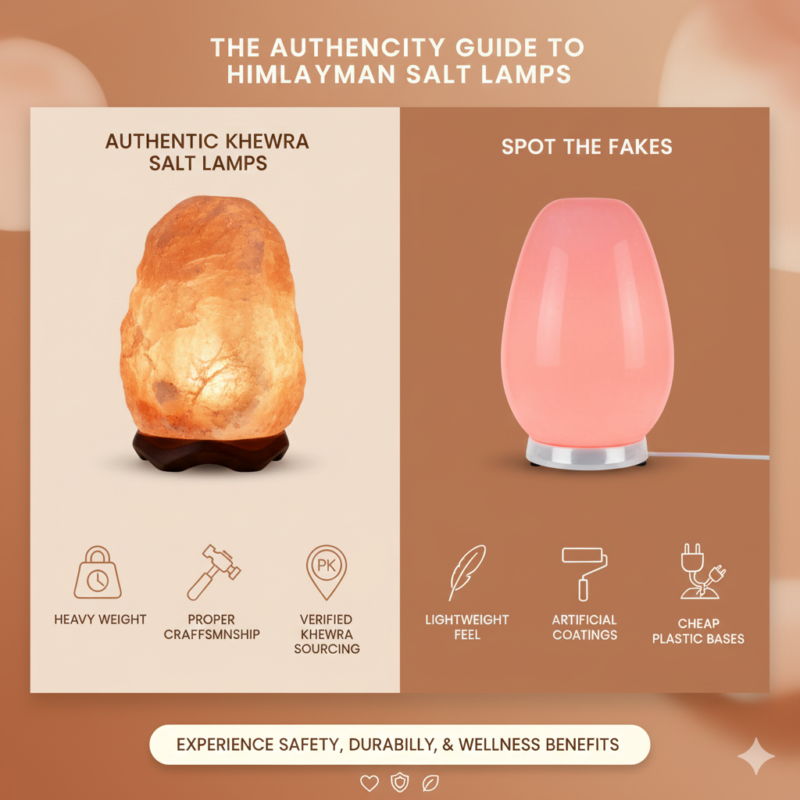
    The authenticity of a World’s Best Salt Lamps begins with its origin. Pakistan’s Khewra salt mines are the primary source of high-quality Himalayan salt, known for its rich pink hue and natural mineral composition, including sodium chloride, iron, and trace elements. Genuine lamps display subtle color variations, natural striations, and a solid, heavy feel. Spotting fakes involves checking for uniform color, artificial coatings, or cheap plastic bases, which often indicate low-quality imports. Quality checks should include examining the mineral texture, verifying Khewra sourcing, and ensuring proper craftsmanship. Choosing authentic Pakistani salt lamps guarantees safety, durability, and the full aesthetic and wellness benefits.
    World’s Best Salt Lamps


    Health & Ambiance Benefits 

    Himalayan salt lamps are popular for creating a calming ambiance that may help reduce stress, enhance mood, and support better sleep. Their warm, soft glow can encourage relaxation and emotional balance, making bedrooms or workspaces feel more peaceful. Some enthusiasts highlight negative ion claims, suggesting improved air quality, but scientific evidence remains limited, so expectations should remain realistic. While they are not a medical device, using authentic Pakistani salt lamps alongside healthy routines—like proper sleep hygiene and mindfulness—can contribute to a soothing environment. Overall, their main value lies in ambiance, stress relief, and gentle mood enhancement.

    Lamp Types & Designs

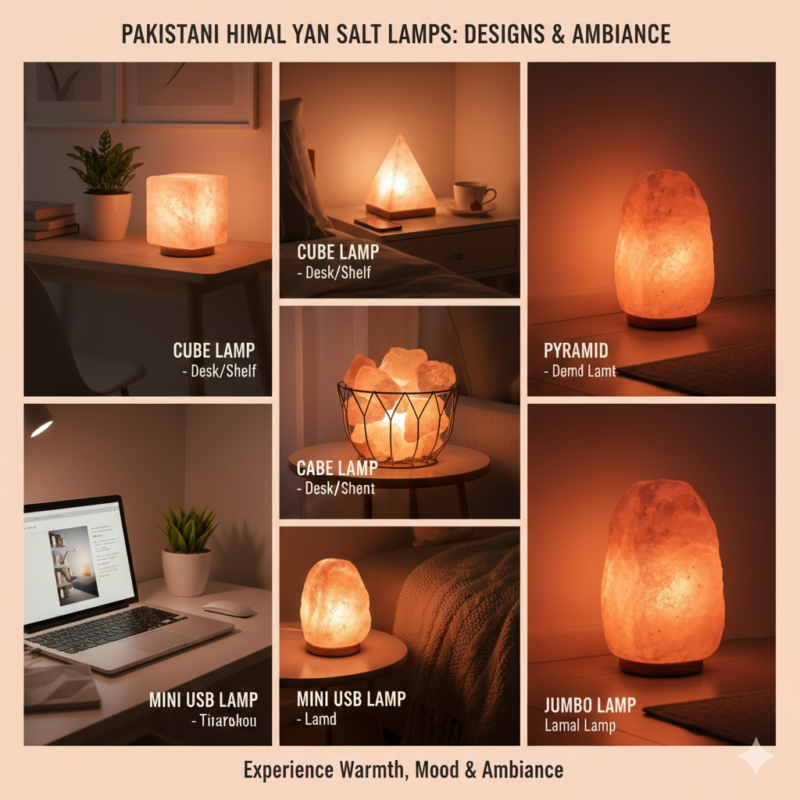
    Pakistani Himalayan salt lamps come in various shapes and sizes, from cube and pyramid designs to basket-style lamps and USB-powered mini versions. Each type offers a distinct visual appeal and lighting effect: cubes provide a modern geometric touch, pyramids add elegance, and baskets showcase natural salt textures. Mini lamps suit desks or nightstands, while jumbo lamps become statement pieces in living rooms or offices. Placement also affects ambiance—bedrooms benefit from softer, calming light, whereas workspaces gain subtle decorative warmth. Choosing the right design and size ensures both aesthetic appeal and functional mood-enhancing benefits in any room.
    World’s Best Salt Lamps

    Market & Price Analysis

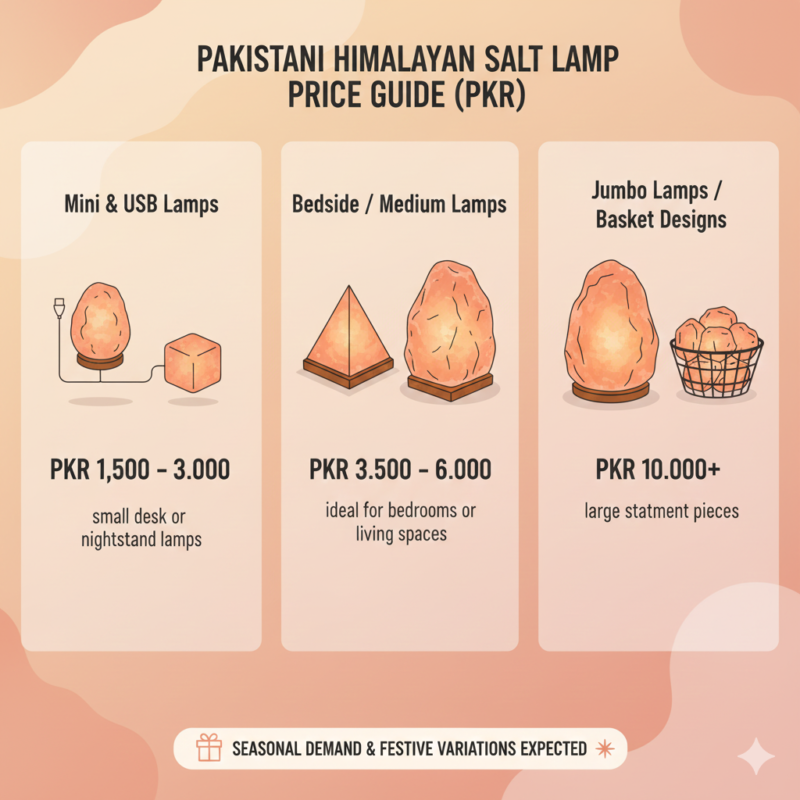
    Himalayan salt lamps from Pakistan vary widely in price depending on size, shape, and authenticity. Mini and USB lamps typically range from PKR 1,500–3,000, while bedside or medium-sized pyramid and cube lamps cost around PKR 3,500–6,000. Jumbo lamps or intricate basket designs can reach PKR 10,000 or more. Seasonal demand, especially during winters or festive periods, often causes slight price fluctuations. Top sellers consistently include mid-sized cubes and bedside pyramids due to their balance of aesthetics, ambiance, and affordability. Understanding these price ranges helps buyers select authentic lamps that suit both budget and décor needs.
    World’s Best Salt Lamps

    Buying Platforms

    In Pakistan, Himalayan salt lamps are available through Daraz, OLX, and local markets in cities like Karachi, Lahore, and Islamabad. Daraz offers convenience, verified sellers, and delivery options, though prices may be slightly higher. OLX allows second-hand purchases but requires careful authenticity checks, including inspecting the Khewra origin and wiring quality. Local markets provide hands-on selection, letting buyers verify lamp size, color, and craftsmanship directly, often at competitive prices. Regardless of platform, always check for authentic mineral composition, sturdy wooden bases, and proper bulb wattage. Choosing the right platform balances convenience, safety, and budget while ensuring genuine Pakistani salt lamps.

    Maintenance & Safety

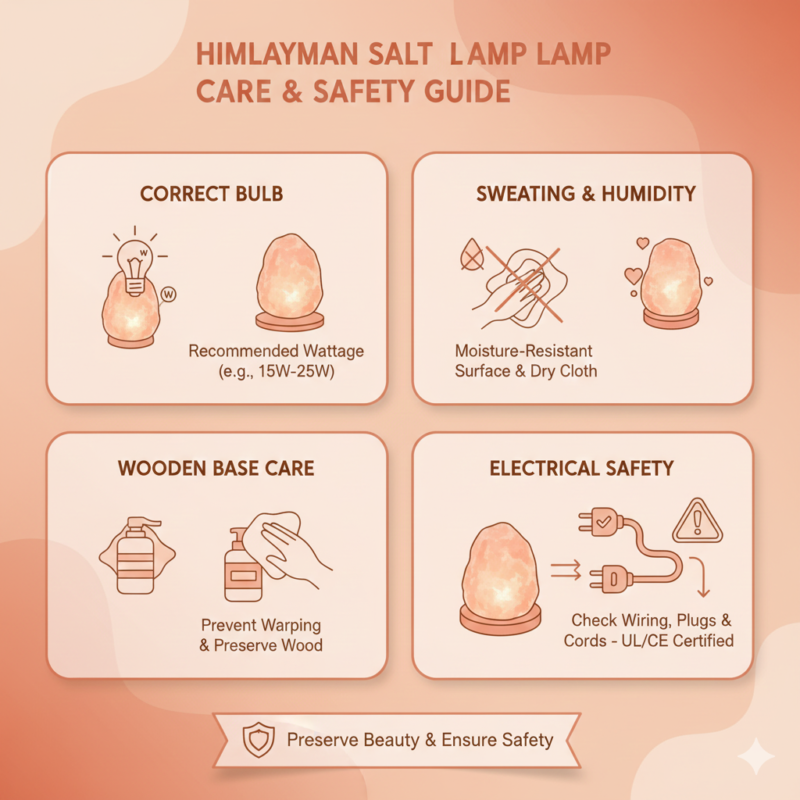
    To keep your Himalayan salt lamp safe and long-lasting, start by using the correct bulb wattage recommended for its size. Salt lamps can “sweat” in humid areas, so place them on moisture-resistant surfaces and wipe regularly with a dry cloth. Wooden bases need occasional polishing to prevent warping or damage from moisture. Avoid exposing the lamp to water or cleaning solutions that can cause corrosion. Inspect wiring for frays or loose connections and ensure the plug and cord meet safety standards. Regular maintenance not only preserves the lamp’s ambiance and glow but also prevents fire hazards and electrical issues.
    World’s Best Salt Lamps

    Alternatives & Recommendations

    If traditional Himalayan salt lamps aren’t feasible, LED or ceramic salt lamps offer safe and energy-efficient alternatives while still providing a warm, calming glow. LED salt lamps mimic the amber ambiance without the risks of sweating or electrical hazards, making them ideal for bedrooms, offices, or study areas. Ceramic lamps are durable, easy to clean, and maintain the aesthetic appeal of natural salt. For enhanced benefits, combine these lamps with other ambient or wellness strategies, such as HEPA air purifiers, soft lighting setups, or mindful meditation spaces. This approach ensures a balanced atmosphere for mood, relaxation, and décor without compromise.

    Conclusion

    Pakistan’s Himalayan salt lamps are globally renowned for their authentic Khewra origin, unique pink-orange mineral composition, and superior craftsmanship. These lamps not only add warm, ambient lighting to any space but also offer realistic benefits for mood, stress relief, and sleep support. When buying, it’s essential to check authenticity by verifying mineral patterns, weight, and seller credibility. Whether purchasing from Daraz, OLX, or local stores in Karachi, Lahore, or Islamabad, following safety tips—like correct bulb wattage, secure placement, and proper maintenance—ensures long-lasting use. Choosing genuine lamps guarantees both décor value and peace of mind.

    Q1: How can I verify the Khewra origin of a salt lamp?
    A: Check the label or certificate of authenticity, look for natural pink-orange hues, and inspect for mineral layers typical of Khewra salt. Genuine lamps have a subtle crystalline texture and solid weight.

    Q2: What is the typical price range for micro, bedside, and jumbo lamps?
    A: Micro lamps (1–2 kg) cost around PKR 1,500–2,500, bedside lamps (3–4 kg) PKR 3,000–5,000, and jumbo lamps (6–10 kg) PKR 6,000–12,000, depending on shape and seller.

    Q3: Are Himalayan salt lamps safe around pets and children?
    A: Yes, if placed out of reach. Avoid licking or ingesting the salt, and secure lamps on stable surfaces to prevent tipping.

    Q4: How do I spot fake or low-quality salt lamps?
    A: Look for overly bright orange color, light plastic feel, uneven weight, or lamps sold significantly cheaper than market rates. Authentic lamps are dense, slightly translucent, and naturally textured.

    Q5: What bulb wattage is recommended for safe use?
    A: Typically 15–25 watt bulbs are recommended. Using higher wattage can cause overheating and excessive sweating of the salt.

    Q6: How should I clean and maintain a wooden-base lamp?
    A: Wipe gently with a dry cloth to remove dust. Avoid water on the salt or base. Regularly check for corrosion or moisture accumulation to extend lamp life.

    Q7: Can LED alternatives provide similar ambiance benefits?
    A: Yes, LED salt lamps mimic the warm glow and ambiance, but they do not emit moisture or negative ions like real Himalayan salt lamps.

  • Where to Buy Authentic Himalayan Salt Lamps in Pakistan — Daraz vs OLX vs Local Shops

    Where to Buy Authentic Himalayan Salt Lamps in Pakistan — Daraz vs OLX vs Local Shops


    Finding a real Himalayan salt lamp in Pakistan can feel confusing, especially with so many sellers on Daraz, OLX, and local shops offering different prices and quality levels. This guide helps you compare all three options, understand authenticity signs, and choose a trusted source. Whether you want a bedside lamp, USB lamp, or a large room piece, this breakdown makes your buying decision clear, safe, and stress-free.

    Marketplace Comparison: Daraz vs OLX vs Local Shops

    Buying Himalayan salt lamps in Pakistan depends on where you shop. Daraz offers wide variety and seller ratings, OLX gives direct deals but carries risk, while local shops let you inspect lamps in person. Each option has different price ranges, authenticity levels, and return policies. The table below helps you see which platform fits your needs, whether you’re looking for a USB lamp, a bedside lamp, or a large room lamp.

    Comparison Table

    MarketplaceProsCons
    DarazRatings, reviews, easy returns, genuine brandsMixed sellers, quality varies
    OLXDirect price negotiation, local pickupsNo authenticity guarantee, no returns
    Local ShopsInspect lamps physically, check weight & glowHigher prices, limited designs


    Himalayan salt lamps in Pakistan

    How to Verify Authenticity (Khewra Origin Checklist + Photos)

    Before buying a Himalayan salt lamps in Pakistan, make sure it truly comes from the Khewra mines. Real lamps have a warm, uneven glow, visible mineral grains, and a naturally rough texture. Genuine Khewra salt lamps usually show slight color variation from light peach to deep orange. Ask sellers for close-up photos of the surface, wooden base, and weight label. A real 2–3 kg lamp should feel heavy for its size and may sweat slightly in humid weather. Avoid lamps with perfect shapes, identical colors, or plastic-looking shine — these signs often indicate fake products.

    Himalayan Salt Lamps in Pakistan — Daraz vs OLX vs Local Shops

    Price Guide: Weight → PKR Ranges (Micro to Jumbo) + Seasonal Notes

    Himalayan salt lamps in Pakistan prices usually depend on weight, shape, and how clean the crystal is. Micro lamps (1–2 kg) often range from PKR 1,000–1,800, while bedside lamps (3–4 kg) fall between PKR 2,000–3,500. Medium living-room pieces (6–8 kg) generally cost PKR 4,000–6,500, and jumbo lamps can go above PKR 10,000. Prices rise slightly during winter because more people look for calming light and home décor items. If buying online, compare seller ratings and check if the listed weight matches the expected price bracket.

    Delivery, Warranty & Returns — What to Ask & What to Inspect on Arrival

    When ordering a Himalayan salt lamps in Pakistan online, confirm delivery time, packing style, and whether the seller offers a simple return or replacement policy. Ask for a clear warranty on the bulb and wooden base, since these parts are most likely to get damaged in transit. Once your lamp arrives, check the weight, color tone, moisture level, and cord quality. Make sure the lamp matches the photos and description shared by the seller. If the product looks chipped, overly light, or uneven in shape, contact support immediately for a return or exchange.

    Safety & Wiring Checks: Bulbs, Base, Sweating & Wiring Specs

    Before placing a Himalayan salt lamp in your room, check its wiring and bulb setup carefully. Use a warm 15W–25W bulb, as higher wattage can heat the salt too much and cause cracks. Make sure the wooden base is sturdy and properly fixed, since a loose base increases the risk of falls. If your lamp sweats during humid weather, place it on a dry coaster to protect furniture. Avoid lamps with thin, low-quality cords, loose switches, or exposed wiring. A safe, well-fitted cable keeps the lamp stable and reduces the chance of electrical issues.

    Best Cities & Local Stores to Visit: Karachi, Lahore, Islamabad — Pickup Tips

    If you prefer buying an authentic Himalayan salt lamp in pakistan , major cities like Karachi, Lahore, and Islamabad offer reliable local stores. In Karachi, explore reputable home décor outlets; in Lahore, check specialty gift shops and lifestyle stores; Islamabad has select wellness and home stores stocking Khewra-origin lamps. When visiting, inspect the lamp’s weight, color, and wooden base. Ask for proof of origin and ensure the bulb and wiring meet safety standards. Pickup tips: handle carefully, avoid lamps with cracks or excessive sweating, and compare prices across stores to ensure fair deals.

    Buying Second-Hand on OLX — Safe Steps and Sample Messaging

    Purchasing a Himalayan salt lamps in pakistan on OLX can save money but requires caution. Always verify the lamp’s authenticity by asking for clear photos of the crystal, wooden base, and packaging. Confirm the Khewra origin and check for cracks, sweating, or damaged wiring. Communicate politely but firmly with the seller, e.g., “Can you share the weight, bulb wattage, and proof of origin?” Arrange a safe, public meetup to inspect the lamp before payment. Avoid deals that seem too cheap, and prioritize lamps with intact wiring and minimal corrosion for safety and long-term use.

    Alternatives & Final Recommendations (LED Salt Lamps, Ceramic)

    If traditional Himalayan salt lamps are hard to source or expensive, consider safe alternatives like LED salt lamps or ceramic lamps that mimic the warm, ambient glow. LED salt lamps offer energy efficiency, low heat, and minimal sweating, making them ideal for bedrooms or offices. Ceramic lamps provide similar mood-enhancing lighting without the risk of corrosion or electrical hazards. Combining these with other ambient strategies like dimmable lights or small indoor air purifiers can enhance relaxation and stress relief. Always prioritize certified products, check for authenticity, and follow maintenance tips to enjoy a safe and soothing environment.


    Conclusion

    Finding and buying authentic Himalayan salt lamps in Pakistan requires a mix of research, careful inspection, and awareness of platform differences. Whether choosing Daraz, OLX, or local stores, verifying Khewra origin, checking for natural color and weight, and inspecting bulbs and wiring ensures safety and quality. Consider lamp size, room placement, and proper maintenance to maximize ambiance, mood, and stress-relief benefits. For those seeking alternatives, certified LED or ceramic lamps provide safe, reliable options. By following authenticity checks, delivery tips, and safety guidelines, you can enjoy the aesthetic and calming effects of Himalayan salt lamps confidently and responsibly.

     FAQ
    Q1: How do I confirm a Himalayan salt lamp is authentic?
    Check for Khewra origin, natural pink-orange color, weight consistency, and verified seller reviews.

    Q2: Can I buy safely on Daraz or OLX?
    Yes, prefer verified sellers on Daraz; for OLX, inspect in person and request authenticity photos.

    Q3: What is the typical return policy?
    Check platform rules; most online stores allow returns for damaged or fake lamps within 7–14 days.

    Q4: How do I ensure electrical safety?
    Use correct bulb wattage, inspect wiring, and avoid lamps with base or cord damage.

    Q5: Can children or pets be around the lamp?
    Place lamps out of reach to prevent ingestion or tipping hazards.

    Q6: How should I clean and maintain it?
    Use a dry cloth for dust, avoid water, and check wooden bases for moisture buildup.

    Q7: Are there alternatives if traditional salt lamps aren’t available?
    LED salt lamps and ceramic lamps provide safe ambient lighting with similar mood benefits.

    Q8: Does weight affect price?
    Yes, heavier lamps cost more; micro lamps are cheapest, jumbo lamps are premium.

  •  Himalayan Salt Lamp Price Guide in Pakistan – 2024–25

     Himalayan Salt Lamp Price Guide in Pakistan – 2024–25

    Himalayan salt lamps have grown in popularity across Pakistan, not just for their warm glow but also for their decorative and potential wellness benefits. Prices vary widely depending on size, shape, and authenticity, making it important for buyers to understand the market before making a purchase. Authentic lamps sourced from the Khewra mines are often pricier but offer guaranteed quality, while counterfeit or low-quality lamps can pose safety risks. This guide provides a detailed overview of the 2024–2025 Himalayan salt lamp market in Pakistan, including current price ranges, top sellers, and tips to verify authenticity, helping you make informed buying decisions.

    Himalayan salt lamp prices in Pakistan vary depending on weight, shape, and quality. Small lamps (1–3 kg) like cubes or pyramids typically range from PKR 1,200–2,500, while medium lamps (4–7 kg) cost between PKR 2,500–5,000. Larger lamps, including jumbo baskets or carved designs, can reach PKR 6,000–12,000 or more. Prices fluctuate based on seasonal demand, import costs, and authenticity checks, especially for lamps sourced from the Khewra mines. Below is a quick reference table showing common weights, popular shapes, and current price ranges in Pakistan, helping buyers choose according to budget and décor preferences.

    Himalayan Salt Lamp

    Top-selling Himalayan salt lamps

    Pakistan’s top-selling Himalayan salt lamps come in various sizes and designs to suit every space. Micro lamps (0.5–1 kg) are perfect for desks or nightstands, offering soft ambient lighting. Bedside lamps (2–4 kg) combine calming glow with compact size for bedrooms. Living room lamps (5–8 kg) act as décor statements while providing a soothing atmosphere. Jumbo lamps (10+ kg) make dramatic centerpiece additions for halls or offices. Each lamp highlights the natural pink hue from Khewra mines, includes a safe wooden base, and supports standard bulb wattage. Features like carved patterns or baskets enhance both aesthetics and function.

    Types of Himalayan salt lamps

    Himalayan salt lamps come in a variety of types to suit different spaces and purposes.

    Cube lamps offer a minimalist, modern look ideal for offices or study areas.

    Pyramid lamps create a striking centerpiece in living rooms or meditation corners.

    Basket-style lamps showcase multiple crystals together, perfect for ambient lighting in larger spaces.

    USB lamps and nightlight versions are compact, portable, and convenient for bedrooms or desks.

    Depending on the type, these lamps provide warm, calming light that enhances mood, supports relaxation, and adds a natural aesthetic to your room, making them both functional and decorative.

    When buying a Himalayan salt lamp, authenticity checks are essential to avoid counterfeit products. Genuine lamps are mined from the Khewra Salt Mines in Pakistan, which gives them their natural pink to orange hue. To spot fakes, look for overly uniform shapes, unusually bright colors, or lamps that feel lightweight compared to real crystal salt. Always verify the price—authentic lamps have a standard market range, and prices that are too low can indicate a fake. Purchasing from trusted retailers with clear origin information helps prevent counterfeit purchases, ensuring you get the health, aesthetic, and safety benefits of a real salt lamp.

    Himalayan Salt Lamp

    Maintenance and safety

    Proper maintenance and safety are key to enjoying your Himalayan salt lamp for years. Always use the recommended bulb wattage to prevent overheating, which can cause excessive sweating or damage to surfaces. Place your lamp on a wooden or non-porous base to protect furniture from moisture. Regular cleaning with a slightly damp cloth removes dust, while avoiding excessive water prevents corrosion and salt erosion. Keep the lamp in a dry area, away from high humidity, and never submerge it. By following these simple care steps, you ensure long-lasting performance, safety, and the aesthetic glow of your genuine salt lamp.

    When looking to buy a Himalayan salt lamp in Pakistan, you have multiple options. Online stores like HimalayaDecorIntl and NaturalSalt.pk offer convenient delivery, clear warranty policies, and easy returns. Local markets in major cities such as Karachi, Lahore, and Islamabad also carry a variety of lamps, allowing you to inspect authenticity and quality before purchase. Always check for genuine Khewra salt origin and compare prices to avoid fakes. For online orders, confirm delivery times, warranty coverage, and return policies to ensure a smooth buying experience and peace of mind with your investment.

    Himalayan salt lamps are often praised for their mood-boosting and stress-relieving effects. The soft ambient light can help create a calming environment, supporting relaxation and better sleep routines. Some users report a sense of emotional balance and enhanced focus when lamps are placed in bedrooms, living rooms, or offices. However, it’s important to recognize their limitations: scientific evidence for air purification or ion generation is minimal. To enjoy benefits safely, use authentic Khewra salt lamps, follow proper bulb wattage guidelines, prevent lamp sweating, and maintain a clean wooden base to avoid corrosion or electrical hazards.

     Conclusion

    Himalayan salt lamps in Pakistan offer mood, stress, and sleep benefits when used safely and maintained properly. Choosing the right lamp type, size, and authentic Khewra origin ensures maximum value while preventing fake purchases. Regular cleaning, checking bulb wattage, and caring for the wooden base help avoid corrosion or overheating. While these lamps provide gentle ambient lighting and a calming atmosphere, their air purification claims should be seen realistically. By following safety guidelines, monitoring pets and children, and purchasing from trusted sellers, you can enjoy the aesthetic and wellness benefits of Himalayan salt lamps responsibly.

    FAQ (Schema Ready)

    Q1: What is the average price of a Himalayan salt lamp in Pakistan?
    A1: Prices vary by weight, shape, and authenticity, ranging from small bedside lamps to large living room lamps.

    Q2: How can I spot a fake Himalayan salt lamp?
    A2: Check Khewra origin, color consistency, weight, and purchase from trusted sellers.

    Q3: Are Himalayan salt lamps safe for children and pets?
    A3: Yes, if placed securely and monitored to prevent salt ingestion.

    Q4: What maintenance is required?
    A4: Regular cleaning, bulb checks, and wooden base care prevent corrosion and sweating.

    Q5: What wattage should I use?
    A5: Follow manufacturer guidelines to avoid overheating.

    Q6: Can I return or exchange my lamp?
    A6: Check seller’s warranty and return policy before purchase.

  • Best Himalayan Salt Lamps in Pakistan – Top Picks & Prices

    Best Himalayan Salt Lamps in Pakistan – Top Picks & Prices

    .Himalayan salt lamps in Pakistan have become a popular choice for their warm glow, natural look, and calming effect in bedrooms, offices, and living spaces. If you’re planning to buy one, this guide brings everything together in one place — the best sellers, updated price lists, sizes, and what to check before purchasing. You’ll learn how to spot an authentic Khewra salt lamp, compare popular styles, and choose the right size for your room. This helps you shop confidently and find a lamp that fits your space, budget, and needs.

    Here’s a simple, copy-ready table listing the most popular Himalayan salt lamps in Pakistan. Prices may vary by weight, wood base quality, and brand authenticity, but this gives a clear starting point for buyers comparing natural, carved, basket, and USB salt lamps.

    Salt Lamp TypeWeight/SizeBest UsePrice Range (PKR)
    Natural Pink Salt Lamp2–3 kgBedroom, small rooms2,000 – 3,500
    Natural Pink Salt Lamp4–6 kgLiving room, office3,800 – 6,500
    White Himalayan Salt Lamp2–4 kgMinimal décor lovers3,500 – 5,500
    USB Mini Salt Lamp1–2 kgDesk, laptop use1,000 – 2,000
    Basket Salt LampMediumAirflow + décor3,000 – 4,500
    Carved Shapes (Heart, Globe, Pyramid)2–3 kgGifts & decoration2,800 – 5,000
    XL Salt Lamp8–12 kgLarge rooms7,000 – 12,000
    Salt Lamps in Pakistan

    How to Choose the Right Size

    Choosing the right Himalayan salt lamp depends on your room size and the effect you want. Smaller lamps (1–2 kg) work well on desks or bedside tables, giving a soft, warm glow. Medium lamps (3–6 kg) suit bedrooms and small living areas, while larger lamps (8–12 kg) are better for wide rooms where you want stronger light coverage. USB mini lamps are ideal for workspaces or travel. Use this simple guide to match size with space so your salt lamp feels balanced, practical, and visually pleasing in any setting.

    Best Sellers by Category

    Here’s a quick guide to the top Himalayan salt lamps available in Pakistan, grouped by category with short notes to help you choose.

    • Micro / Desk Lamps (1–2 kg): Perfect for work desks or study tables; compact, soft glow, budget-friendly.
    • Bedside Lamps (3–4 kg): Great for bedrooms — gentle, calming light that helps wind down in the evening.
    • Living Room Lamps (6–8 kg): Medium-sized, offers ample glow for sitting areas; doubles as décor and ambient lighting.

    Jumbo Lamps (10–15+ kg): For larger halls or lounges; powerful natural glow and strong salt presence for visual impact.

    Salt Lamps in Pakistan

    How to Spot an Authentic Himalayan Salt Lamp (Khewra Origin Checklist)

    A real Himalayan salt lamp should come from the Khewra Salt Mine, known for its natural pink and orange tones. Authentic lamps have a slightly uneven glow, a rough-cut surface, and a wooden base that feels sturdy. The salt should melt lightly in humidity, which is a normal sign of genuine rock salt. Check if the seller clearly mentions Khewra origin, provides return or exchange options, and lists proper electrical fittings. If the lamp looks too smooth, too bright, or unusually cheap, it’s likely not real.

    Where to Buy in Pakistan (Online Stores, Markets, City-Specific Options)

    Himalayan salt lamps in Pakistan are widely available across Pakistan, both online and in physical stores. Popular online retailers include Himalayan Decor International, NaturalSalt.pk, and HubPak eShop, offering verified Khewra-origin lamps with delivery options. Major cities like Karachi, Lahore, Islamabad, and Rawalpindi also have specialty home décor stores where you can inspect lamps in person. Always check for authenticity certificates, proper wooden bases, and safe electrical fittings before buying. Comparing prices across online platforms and local markets helps ensure you get genuine lamps at fair rates, avoiding fake or low-quality salt lamps that may pose safety risks.

     Maintenance & Safety Tips (Bulb Wattage, Sweating, Wooden Base Care)

    Proper maintenance ensures your Himalayan salt lamps in pakistan remains safe and lasts longer. Use the recommended bulb wattage, typically 15–25W, to avoid overheating and excessive sweating. Place a small tray under the lamp to protect surfaces from moisture and regularly wipe the wooden base to prevent corrosion or warping. Avoid exposing lamps to high humidity or water, which can accelerate “sweating” and damage furniture. Regularly inspect cords and dimmer switches for safety. Following these simple steps not only preserves the lamp’s natural pink glow but also ensures it remains a safe, calming addition to your home or office.

    Delivery, Warranty & Returns (What to Expect, Questions to Ask Sellers)

    When purchasing a Himalayan salt lamps in Pakistan, understanding delivery, warranty, and return policies is essential. Check estimated shipping times and packaging to prevent damage during transit. Confirm whether the seller offers a warranty covering electrical components, bulb replacements, or structural issues. Ask about return or exchange options in case the lamp arrives cracked, defective, or not matching its description. Clarifying these details upfront ensures a smooth buying experience and protects your investment. A reliable seller will provide transparent policies, helping you enjoy your authentic Khewra salt lamp safely and confidently in your home or office.

    Conclusion

    Himalayan salt lamps in pakistan combine aesthetic appeal with potential mood-boosting and calming effects, making them a popular choice for homes and offices. While scientific evidence for air purification and allergy relief remains limited, their warm glow can support relaxation, sleep routines, and emotional balance. Ensuring authenticity, proper bulb wattage, secure placement, and regular maintenance prevents safety risks like sweating, corrosion, or electrical hazards. Always purchase lamps from reputable sources, check for Khewra origin, and follow care guidelines. By combining realistic expectations with safe usage, you can enjoy both the decorative beauty and subtle wellness benefits of a genuine Himalayan salt lamp.

    FAQ

    Q1: How do I know if my Himalayan salt lamp is real?
    Check for a natural pink-orange hue, Khewra origin labeling, and a solid, uneven texture. Avoid overly shiny or uniformly colored lamps.

    Q2: What bulb wattage is safe for salt lamps?
    Most lamps use 15–25W bulbs. Using higher wattage can overheat the lamp and cause sweating or cracking.

    Q3: Can salt lamps improve air quality?
    They may have minor hygroscopic effects, but they are not substitutes for HEPA filters or air purifiers.

    Q4: How do I clean a salt lamp?
    Wipe gently with a damp cloth, avoid soaking, and dry thoroughly.

    Q5: Are salt lamps safe around pets and children?
    Yes, if placed securely out of reach to prevent ingestion, which can cause salt toxicity.

    Q6: How long should I keep my salt lamp on?
    Continuous use is safe; it prevents sweating and maintains warm ambient lighting.

    Q7: What should I ask about delivery or warranty?
    Confirm shipping packaging, warranty coverage for bulbs and electrical parts, and return/exchange options for damaged lamps.

    Q8: Can I use a salt lamp in a humid room?
    It’s best to avoid excessive humidity, as moisture can accelerate sweating and corrosion.

  • The salt stone lamp benefits for anxiety, stress, and mood

    The salt stone lamp benefits for anxiety, stress, and mood

    Salt stone lamps, crafted from natural Himalayan salt crystals, have grown in popularity for their warm glow and potential mental wellness benefits. Many users turn to these lamps to reduce anxiety, ease stress, and lift their mood, often placing them in bedrooms, offices, or meditation spaces. While countless anecdotal experiences highlight calming effects and improved emotional balance, scientific research remains limited. Some studies suggest subtle psychological benefits linked to ambient lighting and relaxation cues, but claims about air purification or dramatic anxiety reduction are often overstated. This guide explores realistic benefits, usage tips, and what the evidence truly supports.

    How Salt Lamps Work 

    Himalayan salt stone lamps are made from natural salt crystals, primarily sourced from the Khewra mines in Pakistan. They come in various hues, from the familiar warm pink to lighter, almost white shades, with color differences reflecting mineral content. The lamp typically houses a small bulb or LED inside the hollowed-out crystal, which gently warms the salt. This warmth is believed to release tiny amounts of negative ions, although the levels are minimal compared to specialized air purifiers. Negative ions can interact with electronic devices by neutralizing some positive charges in the immediate area, creating a soothing environment. While this has led to claims of improved air quality and reduced stress, most scientific studies suggest the main effects are psychological—promoting calmness through ambient lighting and the ritual of mindful placement rather than significant ion generation. Proper lamp placement, away from moisture and electronics, ensures longevity and optimal visual and mental benefits.

    Health Benefits of Salt Lamps 

    Himalayan salt lamps are widely used for their calming glow, which can subtly support better sleep. The soft amber light helps signal the brain that it’s time to wind down, aligning with natural circadian rhythms. Unlike harsh overhead lighting, this gentle illumination can create a soothing bedroom environment, making it easier to fall asleep and stay relaxed.

    Beyond sleep, many users report reduced anxiety and stress when a salt lamp is present. While the lamps don’t directly alter brain chemistry, the warm light can enhance feelings of comfort, supporting meditation or mindfulness practices. This ambiance may indirectly influence serotonin and dopamine pathways, helping improve emotional balance.

    Salt lamps also contribute to general mood enhancement. Placed in living rooms, offices, or study spaces, the soft, ambient glow reduces visual strain and creates a peaceful atmosphere. This emotional balance may help with focus, relaxation, and overall well-being. While scientific studies are limited, the combination of calming light, ritualistic placement, and mindful observation contributes to the perception of improved mood and mental wellness.

    Air Quality & Allergy Support 

    Himalayan salt stone lamps are often marketed for their ability to improve indoor air quality and reduce allergens through the release of negative ions. Some enthusiasts suggest that these ions can attach to airborne particles like dust, pollen, or pet dander, helping them settle and creating a cleaner breathing environment. This claim makes salt lamps a popular choice for people looking to support respiratory health or manage mild allergy symptoms naturally.

    However, scientific evidence for significant air purification is limited. Unlike HEPA filters or professional air purifiers, salt lamps generate very few ions, meaning their effect on allergens or pollutants is minimal. They should not replace proven methods like regular cleaning, ventilation, or medical treatments for allergies and asthma.

    Realistically, Himalayan salt lamps offer mild support by encouraging relaxation and a perception of cleaner air. Their main benefits lie in mood and stress reduction, while any air quality improvements are subtle and supplementary, rather than a replacement for functional air filtration systems.

    Scientific Evidence & Limitations 

    While many users report feeling calmer, sleeping better, or experiencing reduced stress when using Himalayan salt stone lamps, rigorous scientific studies on their physiological effects remain scarce. Research on negative ions suggests some potential for mood improvement and alertness, but the ion output from a typical salt lamp is far lower than levels used in controlled experiments.

    Anecdotal experiences often highlight psychological benefits, such as relaxation from the lamp’s warm glow, reduced anxiety, or improved sleep routines. These effects are largely linked to environmental cues and ambient lighting rather than measurable changes in air quality or ion concentration.It’s important to distinguish between physiological and psychological outcomes. Himalayan salt stone lamps may not significantly impact allergies, respiratory health, or toxin removal. However, their calming light, cozy aesthetic, and association with mindful routines can support emotional well-being, stress relief, and better sleep habits, making them a low-risk complementary tool for creating a soothing indoor environment.

    salt stone lamp

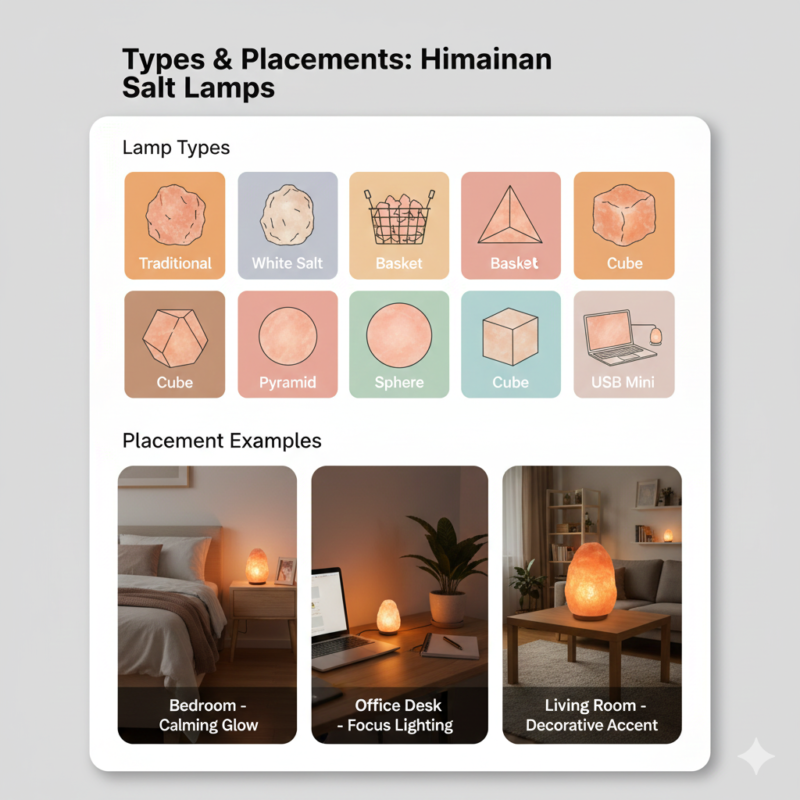
    Lamp Types & Placement (120 words)

    Himalayan salt stone lamps come in a variety of types and designs, each suited to different spaces and uses. Traditional pink salt lamps are the most common, prized for their warm glow, while white salt lamps offer a subtler aesthetic for minimalist décor. Shapes range from classic baskets and pyramids to spheres and cubes, allowing flexibility in style and size. USB-powered mini lamps are ideal for desks or small workspaces.

    Placement plays a key role in maximizing benefits: bedrooms benefit from a soft, calming glow to support sleep, offices can use smaller lamps for ambient focus lighting, and living rooms work well with medium to large lamps as a decorative accent. Correct placement ensures both aesthetic appeal and a relaxing atmosphere.

    Safety, Maintenance & Authenticity 

    Ensuring safe use of your Himalayan salt stone lamp starts with proper maintenance and verifying authenticity. Use the correct bulb wattage to avoid overheating, which can cause excessive sweating or minor corrosion. Regularly wipe your lamp with a dry cloth to remove dust and moisture, and place it on a protective tray to prevent damage to furniture from salt residue.

    Authenticity is crucial: genuine Himalayan salt stone lamps originate from Khewra mines in Pakistan. Look for natural pink crystals with uneven surfaces and consistent coloring. Avoid lamps that are overly shiny or have uniform shapes, as these are often synthetic. Price ranges vary based on weight and size, but extremely cheap lamps may indicate fakes. Checking the return policy and seller reputation adds an extra layer of security. Proper care and verification ensure a safe, long-lasting, and visually appealing lamp for your home or office.

    Alternatives & Combination Strategies 

    While Himalayan salt stone lamps can enhance ambiance and support relaxation, combining them with other air-cleaning methods provides more measurable benefits. HEPA filters are highly effective at trapping dust, pollen, and allergens, while ionizers help reduce airborne particles by creating negative ions. Using a salt lamp alongside these devices can create a soothing environment, pairing visual and psychological comfort with actual air purification. For bedrooms or offices, consider placing a medium salt lamp near your workspace or bedside, while running a HEPA filter or ionizer in the same room. This combined approach maximizes both mood support and indoor air quality.

    Conclusion 

    Himalayan salt stone lamps can add a warm, calming glow to any room, supporting mood, stress relief, and a relaxing atmosphere. While many users enjoy these benefits, it’s important to balance anecdotal experiences with scientific evidence—air purification and negative ion claims are modest at best. Safe use requires attention to bulb wattage, proper placement, and regular cleaning to prevent sweating and corrosion. Always verify authenticity by checking Khewra origin and avoiding fakes. By combining lamps with HEPA filters or ionizers and following maintenance tips, you can enjoy the aesthetic and psychological benefits safely and effectively.

    FAQ

    1. Do salt lamps improve sleep? They can promote relaxation with soft, warm light, supporting circadian rhythm, though effects vary individually.
    2. Can they reduce stress and anxiety? Ambient lighting may help create a calming environment, complementing meditation or relaxation routines.
    3. Are salt lamps safe for children and pets? Keep out of reach; ingestion can cause salt toxicity in pets.
    4. How do I clean my lamp? Wipe with a dry cloth; avoid water to prevent corrosion and sweating.
    5. How to spot fake lamps? Check Khewra origin, weight, and surface texture.
    6. What bulb wattage is safe? Typically 15–25W; avoid overloading sockets.

    Can they improve air quality? They may help slightly, but HEPA filters are more effective.


  •  Fake salt lamps and how to identify unsafe ones

     Fake salt lamps and how to identify unsafe ones

    Fake salt lamps have grown popular for their warm glow and supposed health benefits, but not all are created equal. Fake Himalayan salt lamps—often made from low-quality or imitation salt—pose health and safety risks, from electrical hazards to salt toxicity in pets and children. Understanding the difference between authentic Khewra-origin lamps and counterfeit versions is essential before buying. This guide explores how to identify unsafe salt lamps, highlights potential dangers like faulty wiring or incorrect bulb wattage, and provides practical tips to ensure your lamp is safe, effective, and long-lasting in your home or office.

     Health Risks of Fake Salt Lamps

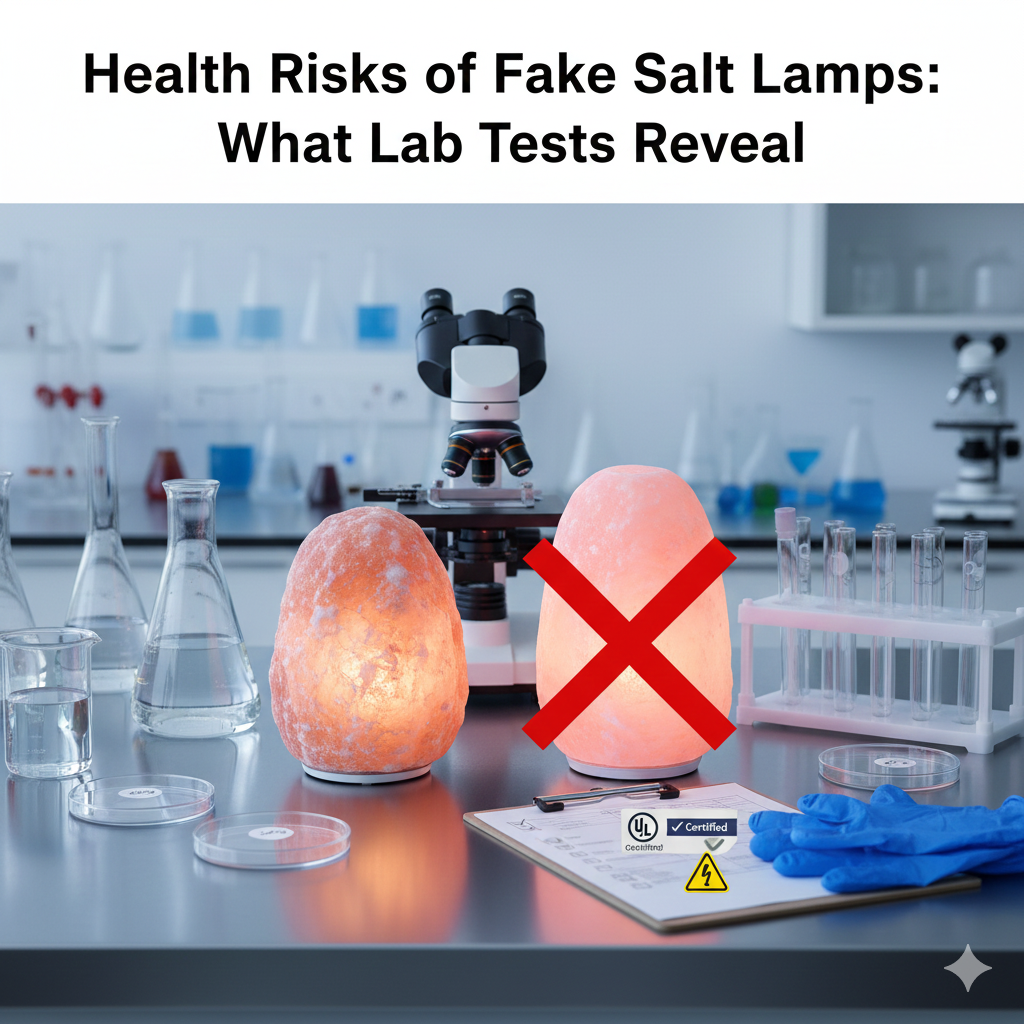
    Counterfeit or low-quality salt lamps can pose several health and safety risks. Poorly mined or synthetic salt may release excess dust or particles, which can irritate respiratory systems, trigger allergies, or worsen asthma symptoms. Faulty wiring or incorrect bulb wattage increases the risk of electric shocks or fire hazards. Pets and small children are especially vulnerable, as licking or chewing fake lamps can lead to salt toxicity. Even minor sweating from low-grade salt can damage furniture or surfaces. Choosing authentic Himalayan salt lamps from verified sources is crucial to minimize these risks and maintain a safe indoor environment.

    Health Risks of Fake Salt Lamps: Ingestion Hazards, Fire Risks, Electrical Problems

    Fake or low-quality Himalayan salt lamps can pose serious safety concerns. Pets or children may accidentally ingest salt from counterfeit lamps, leading to nausea, vomiting, or salt toxicity. Poorly manufactured lamps often have faulty wiring or substandard bulb fittings, increasing the risk of electrical shocks or fire hazards. Low-grade salt can also absorb moisture excessively, causing sweating that damages furniture or surfaces. Understanding these health risks is essential before purchasing a lamp. Always check for authentic Himalayan origin, certified electrical components, and trusted sellers to ensure both safety and a healthy indoor environment.

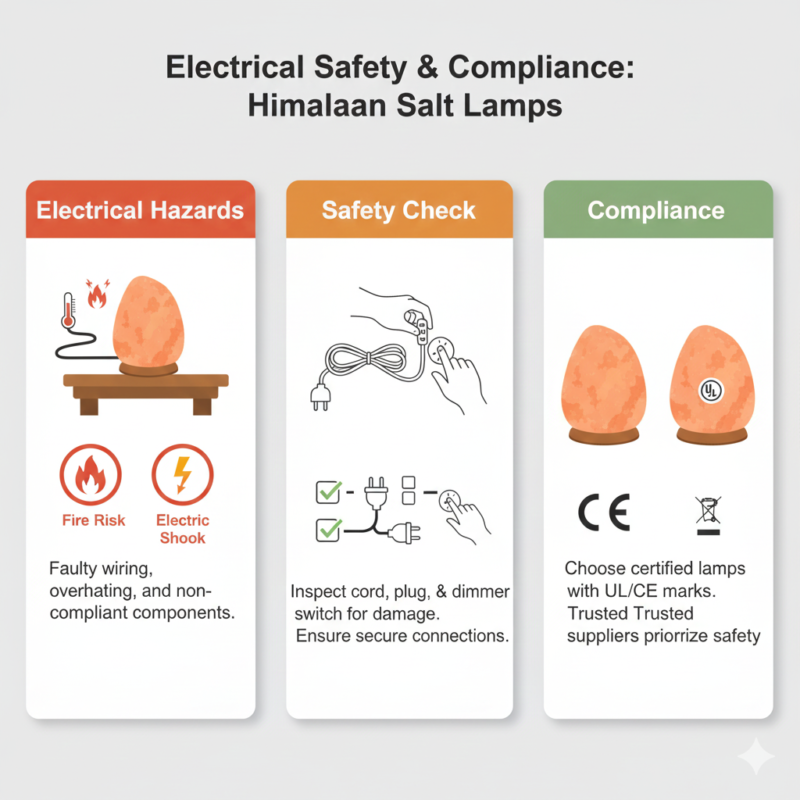
    Electrical Hazards & Compliance

    One of the main risks of fake or low-quality salt lamps is faulty electrical components. Poor wiring, incorrect bulb wattage, or substandard sockets can cause overheating, sparks, or even fire. Certified lamps with UL or CE marks ensure that electrical safety standards are met, reducing the likelihood of hazards. Always inspect the cord, plug, and dimmer switch before use, and avoid lamps that feel unusually hot after short use. Choosing lamps from trusted suppliers and following recommended bulb wattage guidelines helps maintain safety while enjoying the warm glow of your Himalayan salt lamp.

    fake salt lamps

    Pet & Child Safety

    Fake salt lamps or poorly made salt lamps can pose serious risks to pets and children. Ingestion of salt can cause vomiting, diarrhea, or electrolyte imbalances in cats and dogs. For children, small chips or unstable lamps can lead to injury. To prevent accidents, place lamps on stable surfaces away from reach, ideally using non-slip mats or secured bases. Supervise pets in rooms with salt lamps, and avoid leaving exposed wires. Understanding salt toxicity symptoms and following secure placement tips ensures that your Himalayan salt lamp provides ambiance safely, without compromising the health of loved ones or pets.

    Authenticity & Verification

    When buying a Himalayan fake salt lamps, authenticity matters for both safety and quality. Genuine lamps come from the Khewra mines in Pakistan and feature a natural pink-to-orange hue with crystalline textures. Fake lamps may have artificial coloring, smooth surfaces, or unusually low prices. Always check the return policy and verify the seller’s credibility before purchase. Look for lamps with proper labeling or certifications, and avoid deals that seem “too good to be true.” Confirming origin and authenticity not only ensures a safer lamp but also guarantees the aesthetic and health-related benefits of a real Himalayan salt lamp.

    Maintenance & Safe Usage

    Proper maintenance is key to extending the life of your Himalayan salt lamp and preventing safety issues. Regularly clean the lamp with a soft, dry cloth to remove dust and moisture. Salt sweating occurs in humid environments, so place your lamp on a protective tray to avoid furniture damage. For lamps near damp areas, monitor for corrosion on the base or wiring, and avoid excessive water exposure. Always use the recommended bulb wattage and switch off when unattended. Following these steps ensures a clean, safe, and long-lasting lamp while maintaining its natural glow and aesthetic appeal.

     Recalls, Repairs & Reporting

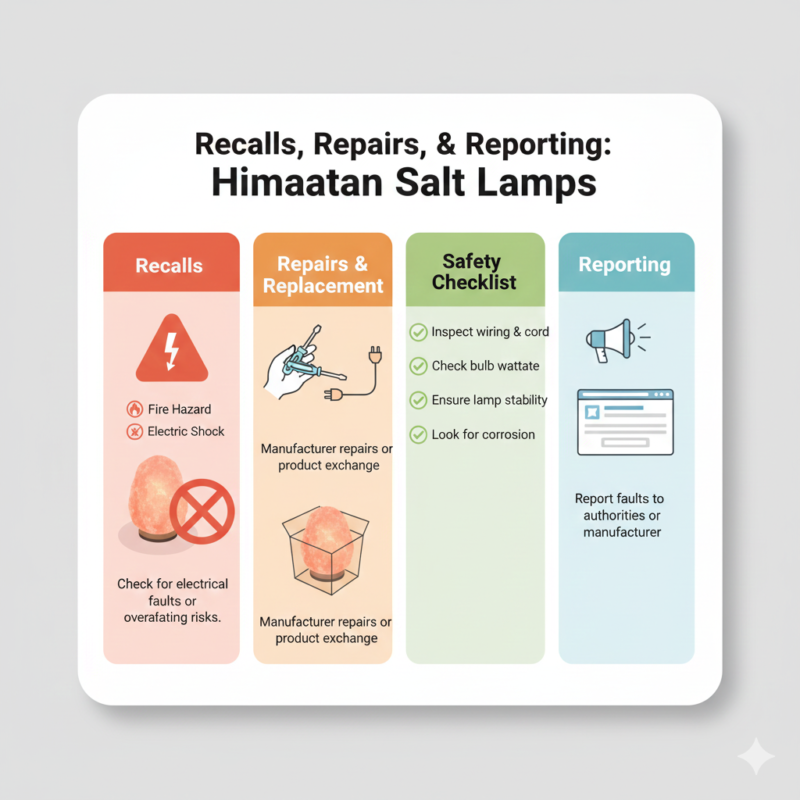
    If your Himalayan salt lamp shows signs of electrical faults, overheating, or structural damage, it’s essential to act promptly. Check for any CPSC recalls or manufacturer alerts related to your lamp model, as these often highlight fire or safety risks. Many brands offer replacement or repair options for recalled or faulty lamps. Keep a safety checklist handy: verify wiring, bulb wattage, and base stability before using the lamp again. Reporting issues to regulatory bodies or the manufacturer ensures others remain safe. Prompt action helps prevent hazards while maintaining the lamp’s aesthetic and functional value.

    Recalls, Repairs & Reporting

    Himalayan salt lamps, especially fake salt lamps or low-quality ones, can pose risks like electrical faults or overheating. Always check for CPSC alerts and manufacturer recall notices for your lamp’s model, which often detail potential fire hazards or wiring issues. If your lamp is affected, explore replacement or repair options offered by the brand. Maintain a safety checklist: inspect wiring, bulb wattage, lamp stability, and signs of corrosion before use. Reporting faults to authorities or manufacturers not only protects your household but helps prevent injuries for others. Staying proactive ensures your salt lamp remains both safe and functional.

    fake salt lamps

    Alternatives & Recommendations

    For those concerned about fake salt lamps or unsafe salt lamps, consider certified lamps with UL or CE markings to ensure proper electrical standards. Safe substitutes include LED Himalayan-style lamps, ceramic salt lamps, or HEPA/ionic air purifiers that mimic some air quality benefits without the hazards. Combining a genuine salt lamp with a HEPA filter or ionizer can provide ambient lighting, potential psychological calm, and cleaner air together. Always verify the lamp’s origin and authenticity while following maintenance guidelines. These alternative strategies allow you to enjoy the aesthetic and relaxing ambiance safely while minimizing health and electrical risks.

    Conclusion

    Salt lamps can be a beautiful and calming addition to your home, but safety should always come first. Using authentic Khewra-origin lamps, following proper electrical guidelines, and placing them securely away from children and pets greatly reduces risks. Regular cleaning, managing sweating, and monitoring for corrosion helps maintain lamp integrity. Always check for recalls and trusted certifications like UL or CE. By understanding the health risks of fake lamps and practicing safe maintenance, you can enjoy the aesthetic and subtle calming effects without compromising safety. Mindful use ensures both beauty and peace of mind.

     FAQ 

    Q1: Are salt lamps safe for pets and children?
    A: Only genuine lamps are safe; avoid letting pets ingest salt flakes. Place lamps out of reach.

    Q2: How can I identify a fake salt lamp?
    A: Check for Khewra origin, authentic color, UL/CE markings, and a reliable return policy.

    Q3: What electrical precautions should I take?
    A: Use correct bulb wattage, inspect wiring, and avoid dimmer switches not rated for the lamp.

    Q4: How should I clean my lamp?
    A: Wipe with a dry cloth, avoid excessive moisture, and use a tray to catch sweat.

    Q5: What if my lamp is recalled?
    A: Follow CPSC guidance for repair, replacement, or reporting hazards.

    Q6: Can salt lamps improve air quality?
    A: Only minor psychological benefits are documented; don’t rely on them for true purification.

  • Do Salt Lamps Really Improve Sleep & Reduce Allergies?

    Do Salt Lamps Really Improve Sleep & Reduce Allergies?

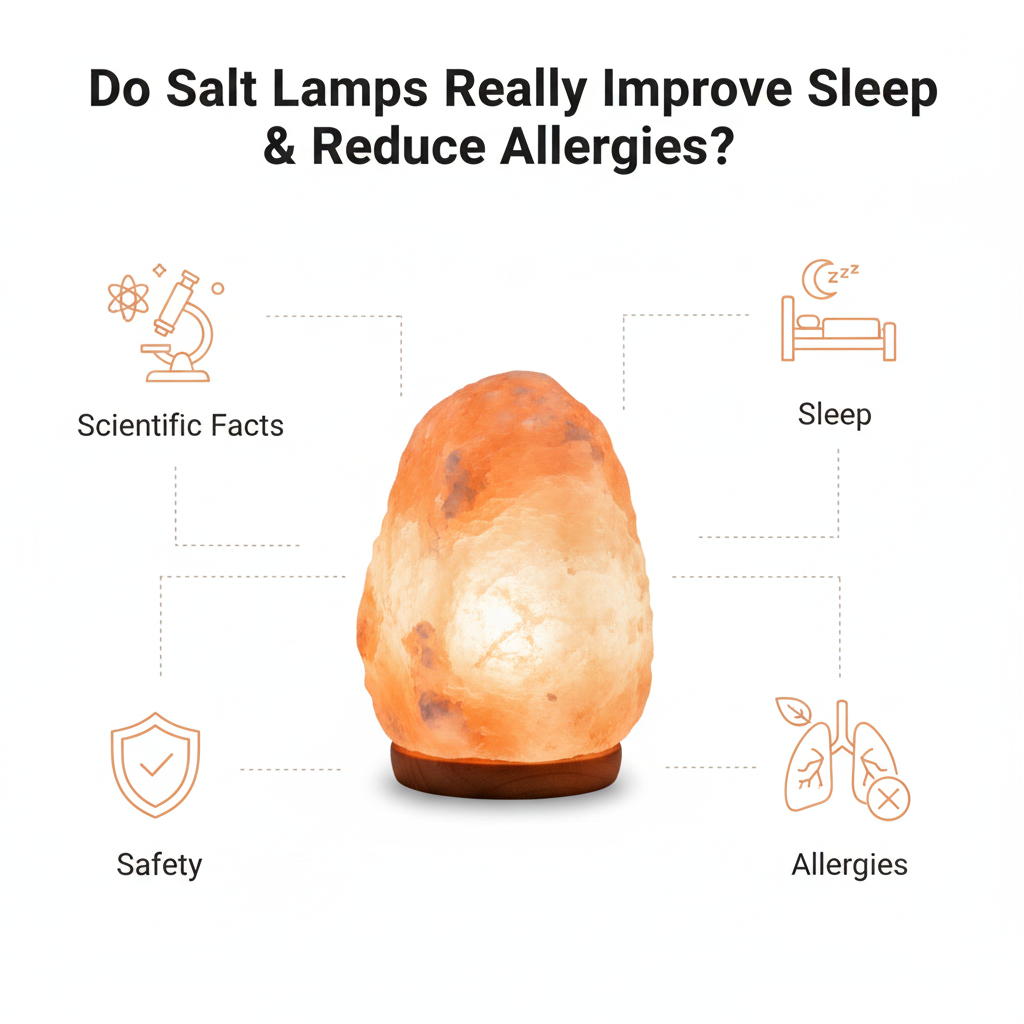
    Salt lamps, often made from Himalayan pink or white salt crystals, have become popular for their warm glow and decorative charm. Many users claim they improve sleep, reduce allergies, and enhance mood, while some believe they help purify indoor air by releasing negative ions. Despite growing popularity, scientific evidence remains limited, with studies showing mixed results. In this guide, we explore both the anecdotal benefits and the research behind these claims, helping you understand whether salt lamps truly impact sleep quality and respiratory health or if their effects are mainly psychological and decorative.

    How Salt Lamps Work

    Salt lamps are carved from natural Himalayan pink or white salt crystals, each with a unique hue and crystalline structure. When a small bulb warms the lamp, it slightly heats the salt, which some claim releases negative ions into the surrounding air. These ions are thought to counteract positively charged particles from electronic devices, dust, and allergens, potentially improving indoor air quality. While the glowing effect adds a calming ambiance, scientific studies show that the actual ion output is minimal. Still, many people enjoy using salt lamps as part of a soothing bedtime or relaxation routine.

    Health Benefits

    Salt lamps are often praised for creating a calming environment that may support better sleep. The soft, warm glow can help regulate your circadian rhythm, making it easier to relax before bedtime. Some users report relief from mild allergy and respiratory symptoms, as the lamp’s subtle warming effect can slightly reduce airborne dust, though scientific evidence for significant air purification is limited. Beyond sleep and allergies, many find that Himalayan salt lamps improve mood and reduce stress, providing a gentle psychological comfort. While benefits vary, their aesthetic and ambient lighting make them a popular wellness accessory.

    Myths & Misconceptions

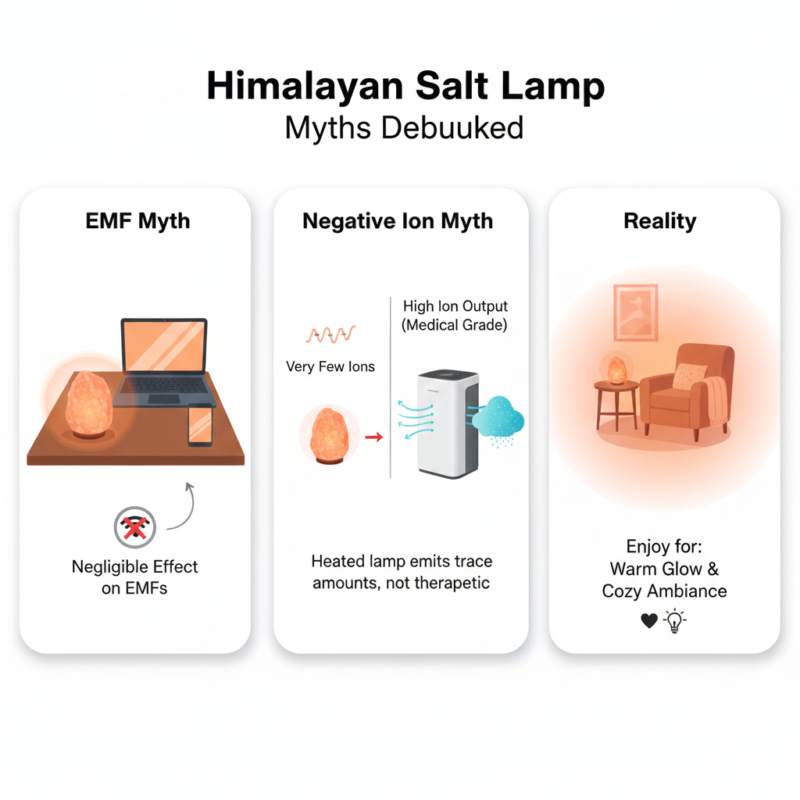
    Many claims about Himalayan salt lamps are widely circulated but not fully supported by science. One common myth is that salt lamps can neutralize EMF (electromagnetic fields) from electronics; research shows their impact on EMF is negligible. Another popular belief is that they generate therapeutic negative ions strong enough to improve health. While salt lamps emit a tiny number of ions when heated, the effect is minimal compared to medical-grade air purifiers. Understanding these misconceptions helps users set realistic expectations—enjoying salt lamps for their warm glow and ambiance rather than relying on them for measurable health benefits.

    salt lamps

    Scientific Evidence & Limitations

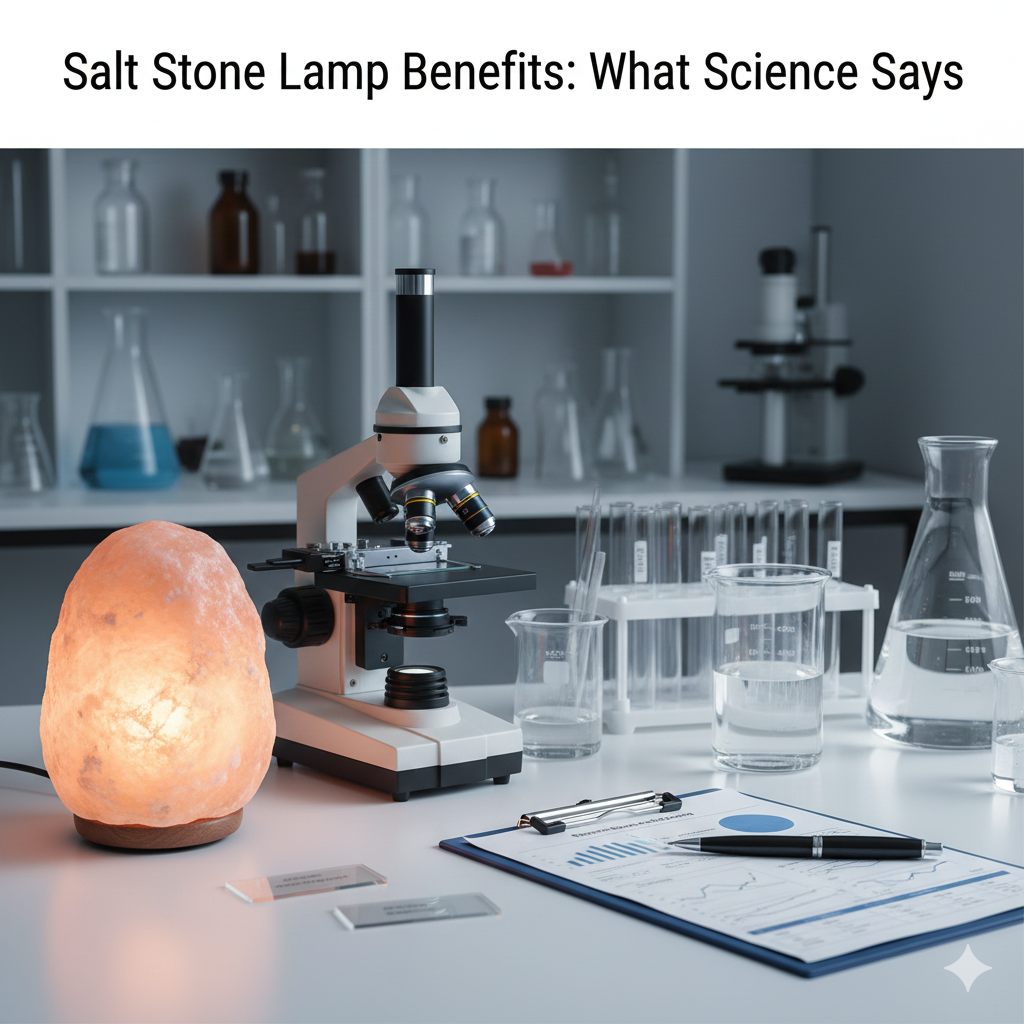
    Scientific studies on Himalayan salt lamps show limited measurable effects on sleep, allergies, or air quality. While some small trials suggest a calming glow may support relaxation or mild improvements in mood, there’s no strong evidence that these lamps significantly reduce allergens or purify air. Most reported benefits are anecdotal, relying on personal experiences rather than controlled experiments. Users may notice psychological comfort or a cozy atmosphere, but physiological effects are minimal. Understanding the distinction between anecdotal claims and scientific data helps set realistic expectations, allowing salt lamps to be enjoyed primarily for ambiance and decorative warmth rather than proven health benefits.

    Lamp Types & Placement

    Himalayan salt lamps come in various types, each suited for different spaces and purposes. Pink salt lamps, naturally sourced from Khewra mines, offer the classic warm glow, while white salt lamps provide a softer, neutral light for modern décor. Shapes like pyramid, basket, or USB-powered mini lamps let you choose based on style and convenience. Placement is key: a bedside lamp can support sleep and relaxation, a desk lamp may improve focus and mood, and larger lamps in living rooms create ambient lighting while potentially contributing to air freshness. Proper positioning ensures both safety and aesthetic appeal.

    Safety & Maintenance

    Ensuring your Himalayan salt lamp is safe starts with checking the correct bulb wattage—using a higher wattage than recommended can overheat the salt and pose fire risks. Salt naturally attracts moisture, so sweating is normal; place lamps on a protective tray to prevent furniture damage and wipe them gently with a dry cloth. Regularly inspect wiring for corrosion or frayed cords, especially in humid rooms. Keep lamps out of reach of pets and children, as ingesting salt can be toxic. Stay updated on recall alerts to replace any faulty models and maintain a safe, glowing environment.

    Buying Guide & Authenticity

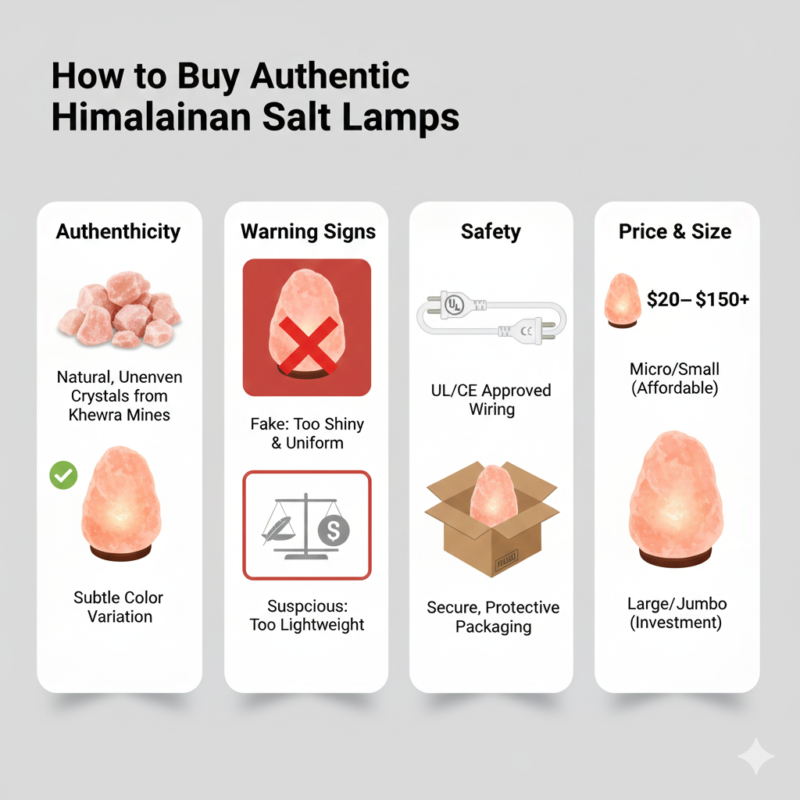
    When buying a Himalayan salt lamp, authenticity matters. Look for natural pink crystals from the Khewra mines in Pakistan, as genuine lamps have a slightly uneven surface and subtle color variations. Be cautious of overly shiny or uniformly colored lamps, which may be dyed or synthetic. Check the packaging and seller’s return policy, and ensure the lamp comes with proper UL or CE-approved wiring. Prices vary by size and weight—micro and small lamps are more affordable, while large 15–20 lb lamps cost significantly more. Investing in a verified authentic lamp ensures safety, durability, and the subtle glow that genuine salt provides.

    salt lamps


    Alternatives & Combination


    While Himalayan salt lamps are popular for their calming glow and mild air-purifying claims, they work best as part of a broader strategy for cleaner air and better sleep. HEPA filters effectively remove dust, pollen, and allergens, while ionizers can help reduce airborne particles. Using a salt lamp alongside these devices can create a pleasant ambiance while supporting indoor air quality. Consider placing a small salt lamp on your bedside table or desk and pairing it with a HEPA purifier for maximum effect. This combination balances aesthetics, mood support, and practical air filtration in your living or work space.

    Conclusion:

     Himalayan salt lamps offer a warm, calming glow and mild air ambiance support. While scientific evidence for sleep or allergy improvement is limited, they are safe when properly maintained. Use authentic lamps, follow cleaning and bulb guidelines, and combine them with HEPA filters or ionizers for enhanced indoor comfort. With mindful placement and care, salt lamps can enhance your room’s atmosphere while minimizing risks.

    FAQ

    Q1: Can salt lamps really help improve sleep quality?
    A1: Himalayan salt lamps emit a soft, warm glow which may help create a calming environment, supporting your circadian rhythm. While there’s limited scientific evidence, many users find the ambient light relaxing for bedtime.

    Q2: Do Himalayan salt lamps reduce allergens or dust?
    A2: Salt lamps are often claimed to purify air by releasing negative ions. Scientific evidence is limited, and they should not replace HEPA filters or medical allergy treatments.

    Q3: Are pink salt lamps more effective than white salt lamps?
    A3: The color difference is mostly aesthetic. Both pink and white salt lamps function similarly; effectiveness depends more on lamp size and placement.

    Q4: How do I clean my salt lamp safely?
    A4: Use a damp cloth to gently wipe the surface. Avoid submerging the lamp in water to prevent salt dissolution and corrosion.

    Q5: Can pets or children be harmed by salt lamps?
    A5: Yes. Cats and dogs may lick the salt, causing toxicity. Always place lamps out of reach of children and pets.

    Q6: What bulb wattage is safe for small and large lamps?
    A6: Follow manufacturer recommendations. Small lamps usually require 15–25W bulbs, while larger lamps can use 25–40W bulbs. Ensure bulbs are properly fitted to avoid overheating.

    Q7: How can I tell if a salt lamp is authentic?
    A7: Check for a natural, uneven crystal surface, origin labeling (Khewra mines in Pakistan), and purchase from trusted sellers. Avoid overly smooth or overly shiny lamps.

    Q8: Are USB salt lamps as effective as traditional plug-in lamps?
    A8: USB lamps are smaller and provide ambient lig


  • Are Salt Lamps Safe? Complete Safety Guide & Warnings

    Are Salt Lamps Safe? Complete Safety Guide & Warnings

    Salt lamps safe warm glow to any room, but many people still worry about electrical safety, overheating, sweating, and risks for pets and children. This guide gives you a clear overview of what’s safe, what’s not, and how to check your lamp for potential issues. You’ll learn about past recalls, wiring problems, pet-related risks, placement tips, and simple maintenance steps that help you use a Himalayan salt lamp with confidence and care.

    Main Risks at a Glance

    Salt lamps safe are generally safe when used correctly, but a few risks deserve attention. Past recalls were linked to faulty wiring, loose switches, and overheating, making electrical safety an important point to check before use. Another concern is pet toxicity, especially for cats, because excessive licking of the salt surface can lead to dangerous sodium levels. Sweating from humidity can also damage furniture or wiring if ignored. These issues don’t affect every lamp, but knowing them early helps you use your Himalayan salt lamp safely and avoid preventable problems.

    Electrical Hazards & Recalls

    Some salt lamps have been recalled in the past due to faulty wiring, loose dimmer switches, and plugs that overheated during use. These issues were mainly linked to low-quality lamps with poor electrical components. A lamp that gets unusually hot, flickers, or emits a burning smell should be unplugged immediately. Always look for UL-listed or CE-certified cords, as they reduce the risk of short circuits and overheating. Using the right bulb wattage and keeping the cord dry also prevents damage. With proper electrical checks, your Himalayan salt lamp remains safe for everyday use.

    CPSC Recalls Explained (Examples, Years, Models)

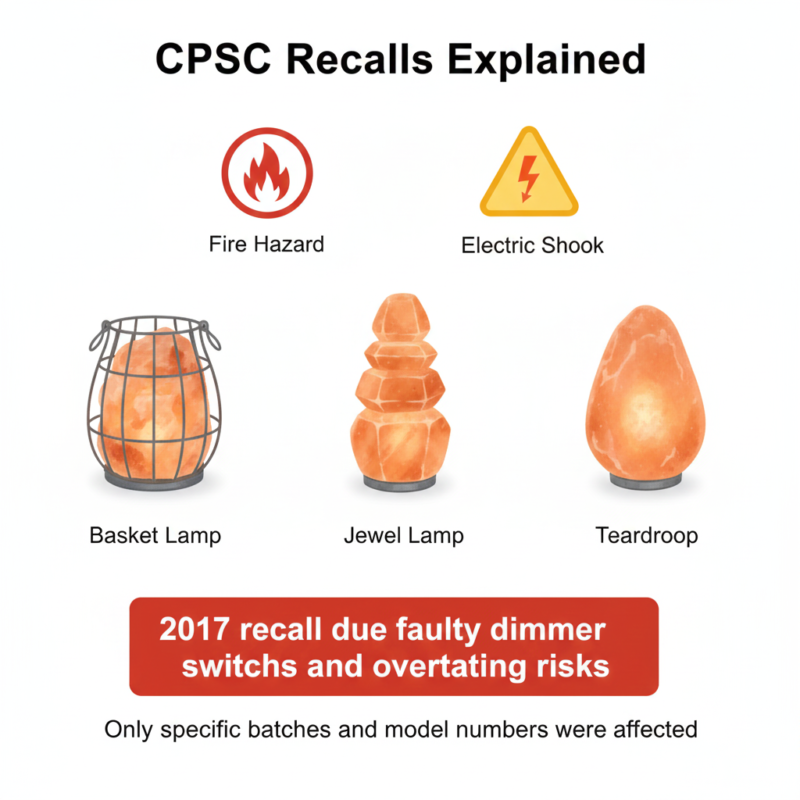
    The U.S. Consumer Product Safety Commission (CPSC) has issued recalls for certain Himalayan salt lamps in the past, mainly due to defective dimmer switches and overheating risks. One widely noted recall occurred in 2017, involving a batch of Rock Salt Lamps sold under names like Basket Lamp, Jewel Lamp, and Teardrop Lamp. These models were pulled from shelves because their faulty wiring could cause fire or shock hazards. The recall targeted specific model numbers and batches—not all salt lamps. These examples highlight why choosing certified electrical components and trusted brands is essential for safe use.

    Salt Lamps Safe

    How to Inspect Wiring and Dimmer Switches (UL/CE Tips)


    Before using a salt lamp, check the cord, plug, and dimmer for any loose fittings, heat marks, or unusual smell. A safe lamp should come with UL-listed or CE-certified electrical parts, which means the wiring meets basic safety standards. Run your fingers along the cord to ensure there are no cuts, bends, or exposed wires. Test the dimmer by rotating it slowly; it should adjust smoothly without flickering or heating up. If the bulb or switch warms too quickly, replace the component or stop using the lamp immediately.

    Pet & Child Safety

    Salt lamps can be risky around pets and young children. Cats and dogs may try to lick the salty surface, which can lead to sodium poisoning if they ingest too much. For children, the main concerns are the lamp’s weight, heat from the bulb, and exposed electrical parts. Keep lamps on higher shelves, away from edges and play areas. Choose stable wooden bases, use low-heat bulbs, and unplug the lamp when unattended. With proper placement and supervision, salt lamps can be used more safely in homes with pets and kids.

    Salt Toxicity Symptoms & Prevention (Cats/Dogs)

    Pets can get sick quickly if they lick a salt lamp too often. Early signs of salt toxicity include vomiting, drooling, loss of balance, extreme thirst, and unusual tiredness. In more serious cases, pets may show tremors or seizures, which require urgent veterinary care. To prevent these risks, place your Himalayan salt lamp on a high, stable surface where pets can’t reach it. Avoid leaving the lamp on the floor, side tables, or anywhere a curious cat might climb. If you notice your pet showing symptoms after licking the lamp, turn it off and contact a vet immediately.

    Secure Placement & Mounting Tips

    A salt lamp should always sit on a stable, dry surface to avoid tipping, overheating, or pet access. Choose a spot away from edges, fabric, and areas where children can reach. If you’re placing it on a shelf, make sure the base is level and the cord isn’t pulling or hanging loosely. Larger lamps may need rubber pads or a wooden stand for extra grip. Avoid placing the lamp near vents or open windows where moisture or sudden drafts can make it unstable. A secure setup lowers the risk of falls, electric issues, and accidental contact.

    Moisture, Sweating & Corrosion

    Salt lamps naturally absorb moisture, and this can cause “sweating,” especially in humid rooms. Light dampness is normal, but pooling water can damage surfaces, wiring, and the wooden base. Keeping the lamp switched on for a few hours daily helps reduce moisture buildup. Use a coaster or tray to protect shelves and tables, and wipe the lamp gently with a dry cloth if it becomes wet. Avoid placing it near kitchens, bathrooms, or open windows where humidity is high. Proper care helps prevent corrosion, keeps the lamp stable, and protects your home from electrical issues.

    Why Salt Sweats and How to Prevent Furniture Damage

    Salt lamps naturally attract moisture from the air, a process called “sweating.” This happens because salt is hygroscopic, meaning it absorbs water vapor, especially in humid environments. While a little sweat is harmless, excess moisture can drip onto tables, shelves, or electronics, causing damage. To prevent this, place a tray or coaster beneath the lamp, keep it switched on to maintain a warm surface, and avoid high-humidity areas like bathrooms or kitchens. Regularly wiping the lamp with a dry cloth helps maintain both its glow and the safety of your furniture.

    Authenticity & Quality Checks When Buying

    When purchasing a Himalayan salt lamp, ensure it’s genuine by checking its weight, natural pink-orange hue, and irregular crystal shape. Authentic lamps are sourced from the Khewra mines in Pakistan. Avoid lamps with overly bright, uniform colors or very light weight, as these may be dyed or hollow. Verify the electrical components meet safety certifications like UL or CE. Buying from reputable brands and checking reviews can prevent fake products. Genuine lamps not only last longer but also minimize electrical hazards, sweating issues, and potential pet or child safety risks.

    Spotting Fakes, Origin, and Return Policy Checklist

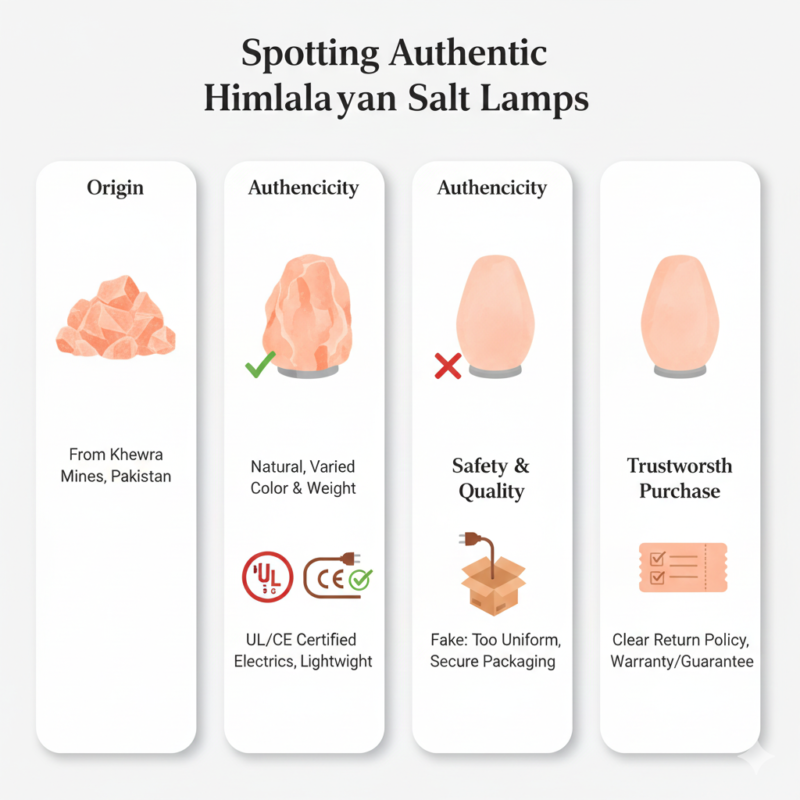
    To avoid counterfeit Himalayan salt lamps, check for key signs: genuine lamps are mined from Pakistan’s Khewra mines and have a natural pink to orange hue with uneven, chunky surfaces. Lightweight or overly uniform lamps are likely artificial. Confirm the lamp includes safety-certified electrical components (UL/CE) and inspect the packaging for authentic branding. A clear return policy is essential in case of defects or excessive sweating. Buying from reputable suppliers with verified reviews ensures authenticity, reduces risk of faulty wiring, and protects pets and children from potential hazards associated with fake or poorly made lamps.

    Maintenance & Safe Use (How-To)

    Salt Lamps Safe

    Bulb Wattage, Run-Time, Cleaning Steps, Safe-Tray Use

    To ensure safe and effective use of your Himalayan salt lamp, always use the recommended bulb wattage, usually 15–25 watts for mini to medium lamps and up to 40 watts for large lamps. Limit continuous run-time to prevent overheating, typically 8–12 hours daily. Clean the lamp with a soft, dry cloth—avoid water to prevent salt erosion. Place the lamp on a protective tray to catch moisture from sweating, which safeguards furniture surfaces and reduces slipping hazards. Following these steps keeps your lamp glowing safely while maintaining its natural pink hue and overall integrity.

    What to Do if Your Lamp Is Faulty (Recall/Repair/Replacement)

    If your salt lamp exhibits faulty wiring, cracks, or excessive sweating, first unplug it immediately. Check the manufacturer’s recall notices, especially for lamps with past CPSC alerts. Contact the supplier for repair or replacement according to the return policy. Avoid DIY electrical fixes unless certified, as improper handling can increase fire risk. If the lamp is unusable, safely dispose of it and replace it with a verified, authentic lamp from a reputable source. Regular inspection ensures safety, preventing hazards to pets, children, and your home environment.


    Conclusion


    Himalayan salt lamps can be a safe and charming addition to your home when proper precautions are taken. By choosing authentic lamps, monitoring electrical components, and placing them securely away from children and pets, you can enjoy their soft glow without risk. Regular maintenance, such as cleaning, using a protective tray, and controlling run-time, ensures longevity and prevents moisture or corrosion issues. While the lamps offer aesthetic and potential mood benefits, always balance expectations with evidence-based insights. Following safety guidelines and authenticity checks lets you enjoy your Himalayan salt lamp confidently and worry-free.

    FAQ Q&As

    Q1: Are Himalayan salt lamps safe for children?
    A1: Yes, if placed out of reach and on a stable surface. Avoid direct contact to prevent salt ingestion.

    Q2: Can pets be near salt lamps?
    A2: No, cats and dogs can suffer from salt toxicity if they lick the lamp.

    Q3: How often should I clean my salt lamp?
    A3: Wipe with a dry cloth weekly; avoid water to prevent corrosion.

    Q4: What bulb wattage is safe?
    A4: 15–25 watts for small/medium lamps, up to 40 watts for large lamps.

    Q5: Why does my lamp sweat?
    A5: Humidity causes salt to absorb moisture. Use a tray to protect furniture.

    Q6: How do I spot a fake lamp?
    A6: Check origin (Khewra mines), authenticity certificates, and weight consistency.

    Q7: Can I leave my lamp on all night?
    A7: Limit to 8–12 hours daily to avoid overheating and excessive sweating.

    Q8: What should I do if my lamp is faulty?
    A8: Unplug immediately, check for recalls, and request repair or replacement from a verified supplier.


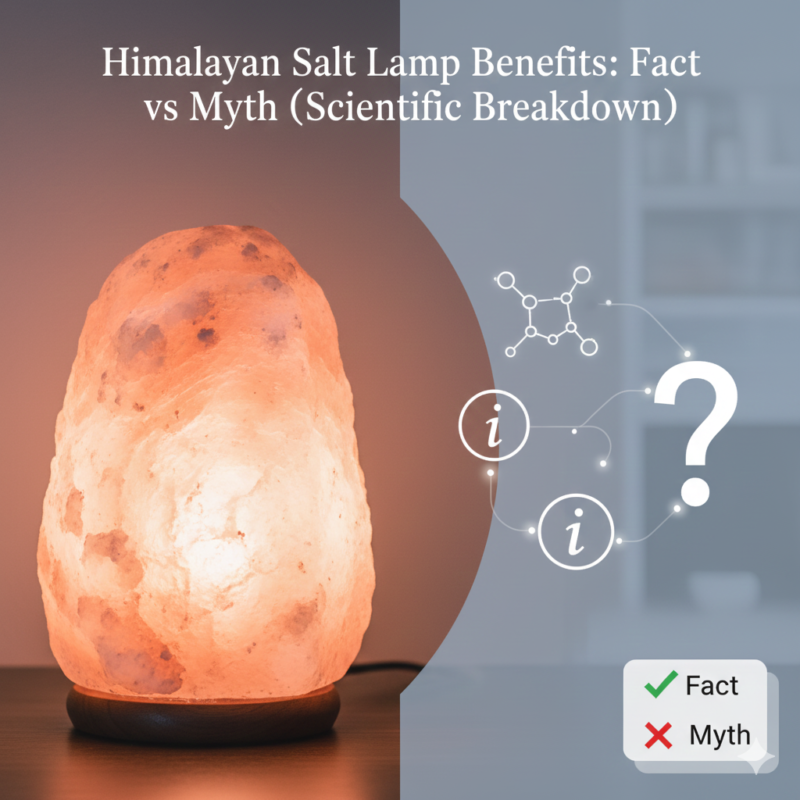
  • Himalayan Salt Lamp Benefits: Fact vs Myth (Scientific Breakdown)

    Himalayan Salt Lamp Benefits: Fact vs Myth (Scientific Breakdown)

    salt lamps have grown in popularity as decorative lights with claims of boosting air quality, improving mood, and supporting better sleep. Sourced from the Khewra salt mines in Pakistan, these lamps are carved from natural pink salt crystals and fitted with a small bulb that emits a warm, soothing glow. While many people swear by their wellness benefits, scientific studies suggest that soHimalayan me claims—like dramatic air purification or high-level negative ion generation—are overstated. In this guide, we’ll explore what Himalayan salt lamps can actually do, separate fact from myth, and provide evidence-based insights for your home use.

    Himalayan Salt Lamp

    Introduction

    Himalayan salt lamps are decorative lights made from natural pink salt crystals mined from the Khewra mines in Pakistan. Each lamp typically contains a small bulb inside the salt block, which emits a warm, soft glow that adds a cozy and calming touch to any room. These lamps have gained popularity not only for their unique aesthetic but also for the wellness claims associated with them. Many users believe Himalayan salt lamps can improve air quality, reduce allergens, enhance mood, and support better sleep. While some of these benefits are based on anecdotal experiences, research highlights which claims have scientific backing and which are largely myths. This guide explores the real effects of Himalayan salt lamps, helping you understand their uses, limitations, and how to enjoy them safely in your home.

    What Are Himalayan Salt Lamps?

    Himalayan salt lamps are crafted from natural pink salt crystals sourced from the Khewra mines in Pakistan, one of the world’s oldest and largest salt deposits. The salt’s natural pink to reddish hue comes from trace minerals, giving each lamp a unique color and texture. These lamps are available in various types and sizes, from small tabletop blocks to larger decorative pieces and clustered baskets. Whether carved into pyramids, spheres, or hearts, each lamp contains a bulb that emits a gentle glow. Beyond aesthetics, their size and shape can influence how much light and claimed wellness effect they provide in a room.

    Benefits & Health Claims

    Himalayan salt lamps are often promoted for air purification, mood enhancement, and better sleep. Some users believe the warm glow helps reduce stress and creates a relaxing environment, supporting mental well-being. However, scientific studies show that the lamps emit very few negative ions, far below levels required to significantly clean air or affect respiratory health. While research does not fully confirm purification claims, the gentle light and natural aesthetic can positively influence mood and promote a calming bedtime routine. Overall, these lamps may provide subtle psychological benefits, even if many health claims remain unproven.

    Myths & Misconceptions

    Many claims about Himalayan salt lamps are exaggerated or misunderstood. One common myth is that they neutralize EMF radiation, but scientific evidence shows their effect on electromagnetic fields is negligible. Another misconception is that they generate therapeutic amounts of negative ions; in reality, the ion output is extremely low and cannot match that of commercial ionizers. Claims of dramatic air cleaning are also overstated—while the lamp may slightly attract surface moisture, it does not purify the air effectively. Understanding these myths helps users enjoy the aesthetic and relaxing benefits without expecting unproven health effects.

    Scientific Evidence & Analysis

    When you look at the science, Himalayan salt lamps fall short of clinical treatments like halotherapy, where real salt particles are inhaled at therapeutic doses. Published studies show that salt lamps generate only trace amounts of negative ions—nowhere near the levels produced in salt caves or ion generators. While there is limited physiological benefit, the psychological effects are more compelling: the warm amber glow can reduce stress, improve mood, and support better sleep patterns. In short, their value lies more in ambiance than in true air‑cleaning power.

    Buying Guide & Maintenance

    When buying a Himalayan salt lamp, authenticity matters. Look for lamps sourced from Khewra mines, with natural pink-orange hues and sturdy wooden or metal bases. Avoid overly cheap options or non-returnable products. Prices vary with size, with small lamps around $15–30 and larger ones above $50. For maintenance, wipe the lamp with a dry cloth to remove dust and moisture, and monitor for sweating in humid environments. Use the recommended bulb wattage to ensure proper glow, and place lamps in dry areas for maximum lifespan and aesthetic effect. Proper care keeps them safe and visually appealing.

    Alternatives & Combination Strategies

    While Himalayan salt lamps are popular for ambiance and mild air-quality claims, evidence shows HEPA filters and air ionizers are far more effective for removing dust, allergens, and pollutants. You can use salt lamps alongside these devices to enjoy both aesthetic warmth and cleaner air. For example, place a small salt lamp on your desk or bedside while running a HEPA purifier in the same room. Combining these strategies ensures you get real air purification benefits from technology while keeping the cozy glow and relaxing atmosphere that Himalayan salt lamps provide.

    Conclusion

    Himalayan salt lamps remain a popular choice for their warm, calming glow and decorative appeal. While many claims—like air purification, EMF neutralization, or dramatic ion generation—are largely unproven, users often enjoy their psychological benefits, such as improved mood, relaxation, and a cozy ambiance. Choosing the right size, verifying authenticity, and following basic maintenance tips—like proper placement, cleaning, and bulb usage—ensures safety and longevity. For those seeking genuine air quality improvements, combining lamps with HEPA filters or ionizers is recommended. In the end, enjoy your lamp for its aesthetic and soothing qualities, while keeping expectations realistic.

    FAQ :

    Here are some frequently asked questions about Himalayan salt lamps, designed for easy schema integration:

    1. What is a Himalayan salt lamp?
      A lamp made from natural pink salt crystals, usually from Khewra mines, often with a small light bulb inside.
    2. Do Himalayan salt lamps purify the air?
      Scientific evidence shows only minimal ion output; they are more decorative than true purifiers.
    3. Can salt lamps improve sleep or mood?
      The warm glow can support relaxation, but physiological effects are limited.
    4. How do I clean my lamp?
      Wipe with a dry cloth; avoid water to prevent sweating.
    5. Are salt lamps safe for children and pets?
      Yes, if placed out of reach and used with proper bulbs.
    6. How do I spot a real lamp?
      Check origin, weight, color, and return policy.
    7. What sizes are suitable for my room?
      Micro to jumbo sizes correspond to small bedrooms up to large living spaces.
    8. Can I combine salt lamps with air purifiers?
      Yes, using HEPA filters or ionizers enhances real air cleaning while enjoying lamp ambiance.